 Save
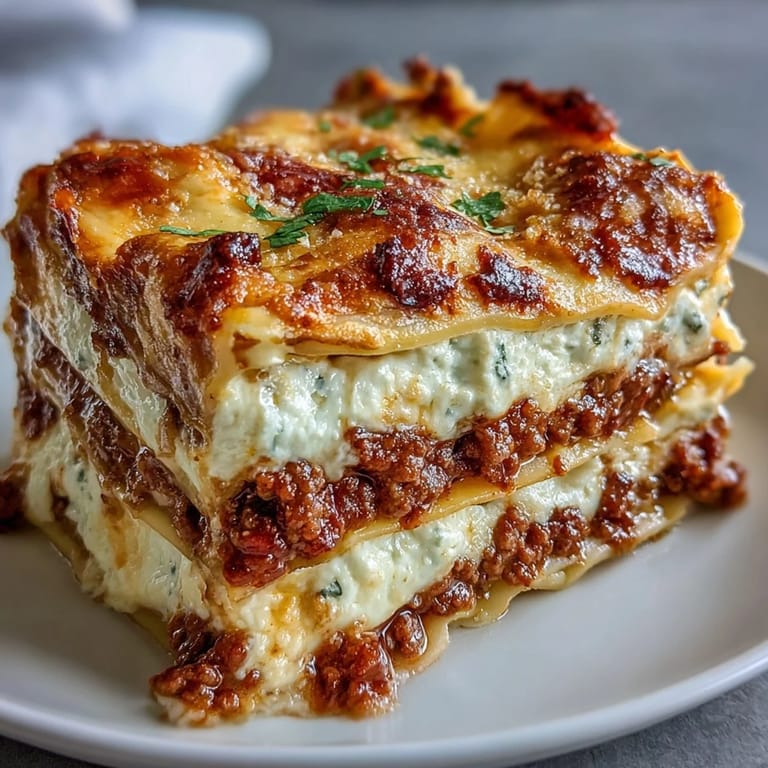
Save My sister called one Sunday asking how to fix her watery lasagna disaster, and I realized I'd never actually written down what I do differently. This recipe came together after years of tinkering, mostly because I got tired of soggy noodles and bland layers. The trick isn't just piling ingredients—it's understanding how they meld during that crucial resting time. Now it's the dish I make when I want to feel like I've actually accomplished something in the kitchen. It never fails to impress, even when I'm just reheating a square at midnight.
I made this for my book club once, and three people asked if I'd catered it. The smell alone had everyone hovering near the kitchen before I even cut into it. One friend admitted she'd only ever had the frozen kind, and watching her take that first bite made all the layering worth it. We ended up talking more about the recipe than the book that night. It's been our official meeting dish ever since.
Ingredients
- Lasagna noodles (uncooked): Using them dry saves time and they soak up sauce beautifully, just make sure your sauce is generous enough to hydrate them fully.
- Ricotta cheese: The egg mixed in keeps it from turning grainy under heat and adds a custardy richness that holds each layer together.
- Mozzarella cheese: Shred it yourself from a block if you can, the pre-shredded stuff has anti-caking agents that prevent that perfect melt.
- Parmesan cheese: Freshly grated Parm on top creates that golden, slightly crispy crust everyone fights over.
- Ground beef and Italian sausage: The combo gives you depth, the beef is mild and the sausage brings fennel and spice that make the sauce unforgettable.
- Marinara sauce: Homemade is lovely, but a good jar works perfectly when you don't have three hours to simmer tomatoes.
- Garlic: Sauté it just until fragrant, burnt garlic will make the whole sauce bitter and there's no coming back from that.
- Olive oil: A little goes a long way to keep the meat from sticking and adds a silky base flavor.
- Fresh basil: Dried basil won't give you the same bright pop, fresh is worth the extra couple dollars.
- Salt and black pepper: Taste your sauce before layering, underseasoned meat sauce makes for a disappointing lasagna no amount of cheese can fix.
Tired of Takeout? 🥡
Get 10 meals you can make faster than delivery arrives. Seriously.
One email. No spam. Unsubscribe anytime.
Instructions
- Preheat and prep:
- Set your oven to 375°F so it's ready when you are. Clear some counter space because this gets messy in the best way.
- Start the sauce:
- Heat olive oil in a large skillet and toss in the minced garlic, letting it sizzle for just a minute until your kitchen smells like an Italian grandmother moved in. Add the ground beef and sausage, breaking it up with a wooden spoon until it's browned and crumbly.
- Build the flavor:
- Drain off excess fat, then stir in marinara, salt, pepper, and fresh basil. Let it simmer gently for 10 minutes, stirring occasionally so nothing sticks to the bottom.
- Mix the ricotta:
- In a separate bowl, whisk together ricotta and the egg until it's smooth and creamy. This little step makes all the difference in texture.
- First layer:
- Spread a generous scoop of meat sauce across the bottom of your 9x13 inch baking dish to prevent sticking. Lay down 4 uncooked noodles, overlapping them slightly.
- Ricotta and cheese:
- Spread half the ricotta mixture over the noodles, sprinkle a third of the mozzarella, then ladle more meat sauce on top. Don't be shy with the sauce, those noodles need moisture.
- Repeat the magic:
- Add another layer of noodles, the rest of the ricotta, another third of mozzarella, and more sauce. You're building something beautiful here.
- Final layer:
- Top with the last noodles, all remaining meat sauce, then blanket it with mozzarella and a snowfall of Parmesan. Cover tightly with foil.
- Bake covered:
- Slide it into the oven for 25 minutes. The foil traps steam which cooks the noodles perfectly without drying out the top.
- Finish uncovered:
- Remove the foil and bake another 15 minutes until the cheese is golden, bubbling, and irresistible. Watch it closely near the end so it doesn't burn.
- Rest before serving:
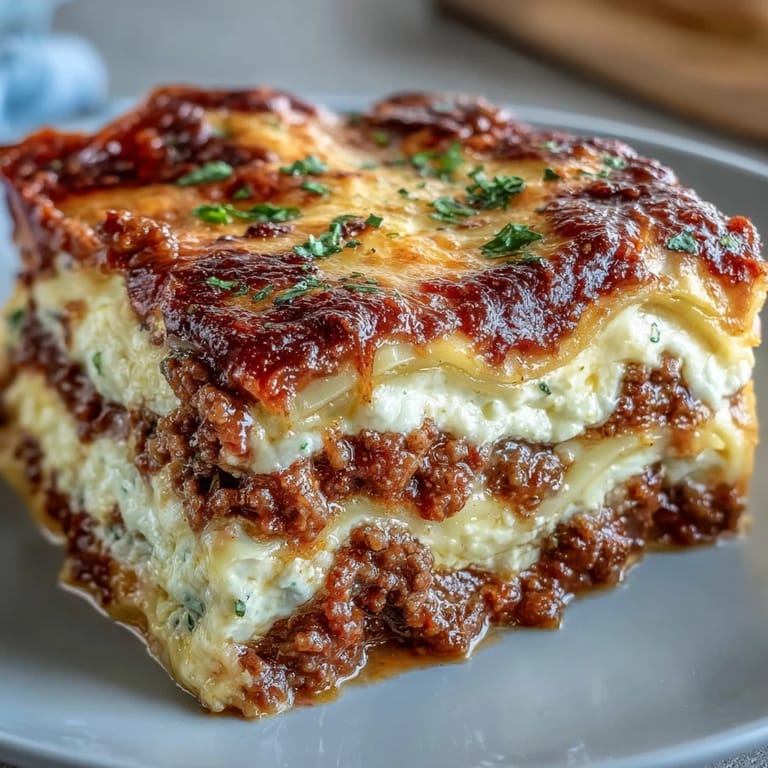
- Let it sit for at least 15 minutes after you pull it out. I know it's hard to wait, but this lets everything set so your slices don't fall apart into a saucy puddle.
 Pin it
 The first time I nailed this recipe, my husband took a bite and got quiet in that way that means he's actually tasting it. He looked up and said it reminded him of his nonno's cooking, which is the highest compliment I've ever received. We sat there with seconds neither of us needed, just because it felt good to linger. That's when I knew this wasn't just dinner, it was the kind of food that holds space for people.
Making It Your Own
I've tucked sautéed spinach and mushrooms into the ricotta layers when I want something a little more substantial and earthy. You can swap the sausage for ground turkey if you're trying to keep things lighter, though you'll lose some of that fennel punch. A handful of fresh oregano or a pinch of red pepper flakes can shift the whole flavor profile. This recipe is forgiving, so don't be afraid to make it yours. Just keep the layering order and the resting time, those are sacred.
Storage and Reheating
Lasagna is one of those rare dishes that gets better after a night in the fridge. I portion out leftovers into individual containers so I can grab lunch without thinking. It reheats beautifully in the microwave, though the oven gives you that crispy edge again if you have the time. You can also freeze whole slices wrapped tightly in foil for up to two months. I've pulled them out on nights when cooking felt impossible, and it's like getting a gift from my past self.
Pairing and Serving
A simple green salad with a sharp vinaigrette cuts through the richness and makes the meal feel complete. Garlic bread is classic, but honestly this is hearty enough to stand on its own. I like to pour a glass of Chianti or any robust red that can hold up to all that cheese and meat. If you're serving a crowd, set out the baking dish and let people help themselves, it always sparks conversation. Here are a few other things that work beautifully alongside it.
- Roasted vegetables like zucchini, bell peppers, or asparagus add color and balance.
- A chilled white wine like Pinot Grigio if red isn't your thing.
- Fresh Italian bread for mopping up any extra sauce left on the plate.
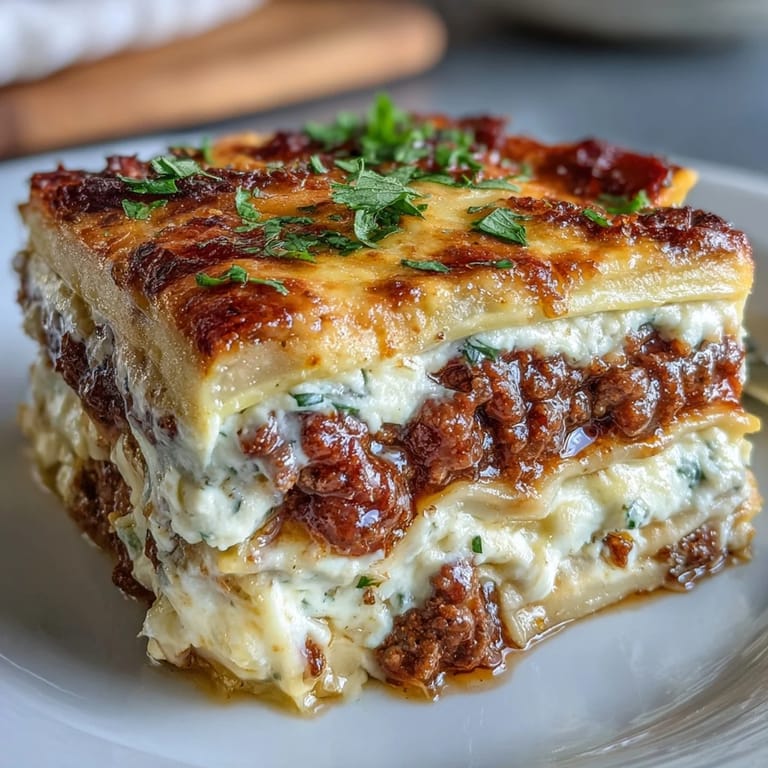 Pin it
 This lasagna has become my answer to almost every occasion, from quiet weeknights to celebrations that need something dependable and warm. I hope it finds a place in your kitchen the way it has in mine.
Frequently Asked Questions
- → Why is resting time important?
Resting allows the layers to set, making it easier to cut clean slices and preventing the filling from sliding out when served.
- → Can I make this ahead?
Yes, assemble the day before and refrigerate. Add 10-15 minutes to baking time if baking cold from the refrigerator.
- → Can I use no-boil noodles?
Traditional noodles work best here as the sauce and baking time cook them perfectly. No-boil noodles may become too soft.
- → How do I store leftovers?
Refrigerate in an airtight container for up to 4 days, or freeze individual portions for up to 2 months. Reheat covered at 350°F.
- → What can I substitute for Italian sausage?
Use all ground beef, or try ground turkey with extra fennel seeds and red pepper flakes to replicate the sausage flavor.