 Save
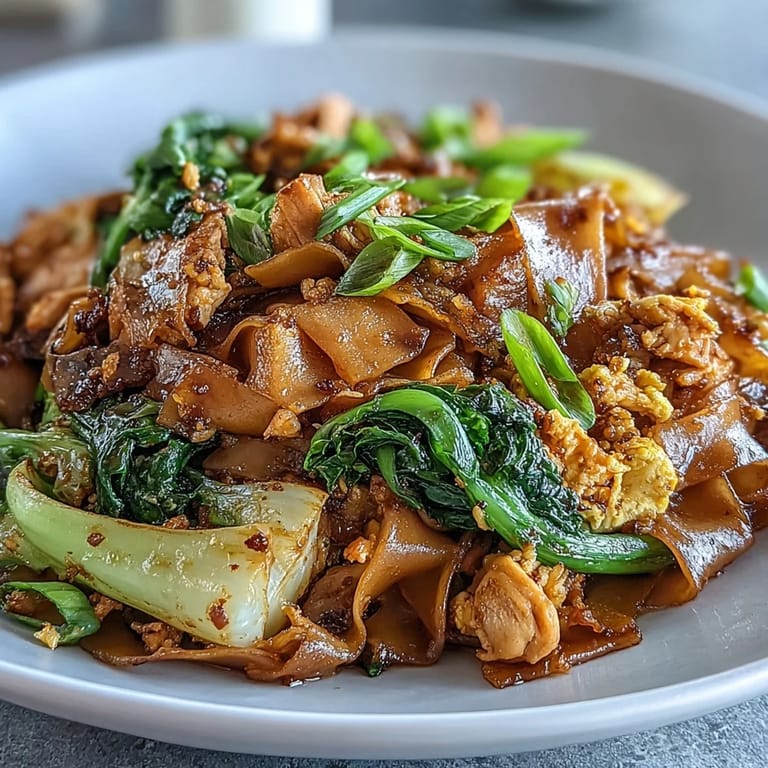
Save The smell of caramelizing sauce hitting a hot wok still takes me back to a tiny restaurant in Bangkok where I watched the cook make this dish with hypnotic rhythm. Something about that charred, smoky sweetness stuck with me for years before I attempted it myself. My first few tries were disappointing—soggy noodles, uneven seasoning, the works. It took one particularly patient Thai friend showing me the proper heat management before everything clicked into place.
Last winter during a terrible snowstorm, my roommate and I were craving something warming but different from our usual rotation. We cleared out the fridge, found some chicken thighs and a sad bunch of Chinese broccoli, and decided to attempt Pad See Ew on our electric stove. The apartment smelled incredible within minutes, and we ended up eating standing at the counter because we could not wait to sit down. That night became a monthly tradition we still keep.
Ingredients
- 200g dried wide rice noodles: Soak these just until pliable—overly soft noodles will turn to mush in the wok and refuse to develop that chewy texture that makes this dish special
- 1 cup chicken thighs: Thighs stay tender and juicy better than breast meat, plus they handle high heat without drying out the way leaner cuts do
- 4 stems Chinese broccoli: The stems add essential crunch while the leaves wilt beautifully into the sauce—do not skip this vegetable if you can help it
- 1 large egg: Gets scrambled directly in the wok, creating little golden curds that tuck into the noodles like tiny flavor pockets
- 2 tsp dark soy sauce: This is not just for color—the molasses-like depth is what gives Pad See Ew its distinctive caramel richness
- 1½ tbsp oyster sauce: Adds umami that makes the whole dish taste restaurant-quality, though fish sauce works in a pinch
- 1 tbsp light soy sauce: Balances the dark soy with pure saltiness without overwhelming the delicate sweet-savory equilibrium
- 2 tsp white vinegar: A surprising but essential ingredient that cuts through the sugar and prevents the sauce from becoming cloying
- 2 tsp sugar: Just enough to round out the sauce and encourage that gorgeous caramelization on the noodles
- 2 cloves garlic: Finely chopped so they release their aroma almost instantly in the hot oil without burning
- 3 tbsp peanut or vegetable oil: Divided use prevents everything from steaming instead of properly stir-frying
Tired of Takeout? 🥡
Get 10 meals you can make faster than delivery arrives. Seriously.
One email. No spam. Unsubscribe anytime.
Instructions
- Prep the noodles properly:
- Soak dried noodles in warm water for 30 minutes until they bend without breaking, then drain thoroughly so they are ready to hit the wok
- Whisk your sauce ahead of time:
- Combine dark soy, oyster sauce, light soy, vinegar, and sugar until dissolved—having this ready means nothing can burn while you are scrambling
- Cut the Chinese broccoli smart:
- Separate stems and leaves, cutting stems into biteable lengths and keeping leaves in larger pieces since they will shrink dramatically when cooked
- Sear the chicken first:
- Heat 1 tbsp oil until smoking, add chicken and stir-fry until just cooked through, then remove—overcooked chicken will turn tough and rubbery in the final dish
- Cook the broccoli in stages:
- Add another tablespoon of hot oil, fry stems for 1 minute before tossing in leaves until just wilted, then set aside with the chicken
- Build the aromatic base:
- With the last tablespoon of oil, sauté garlic for mere seconds until fragrant, crack in the egg and scramble quickly until just set but still tender
- Bring everything together:
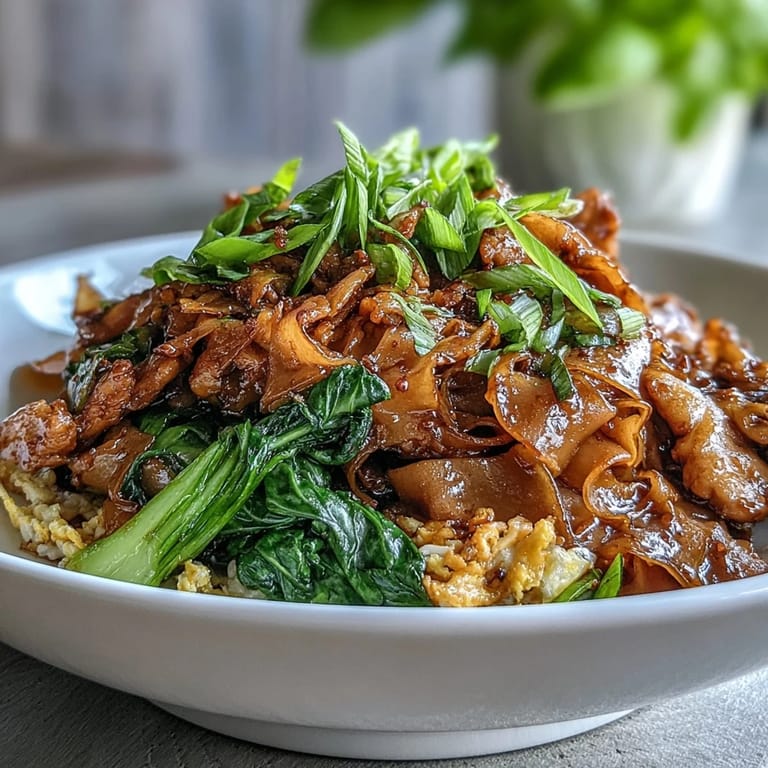
- Add noodles, pour sauce over them, toss vigorously to coat, then return chicken and broccoli to finish with 1 to 2 minutes of high-heat tossing
 Pin it
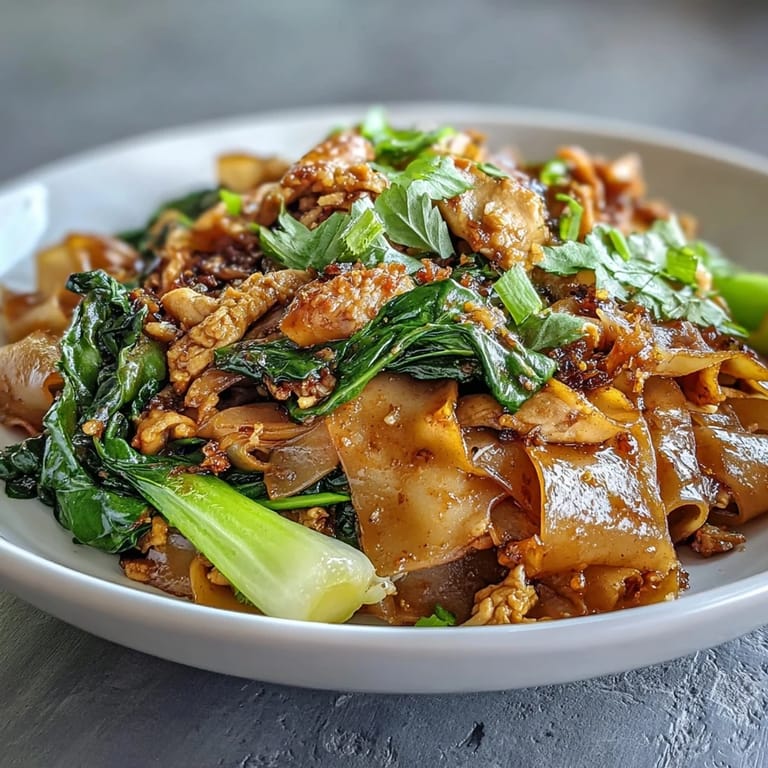
 My sister swears she fell in love with Thai food entirely because of this dish. She had ordered Pad See Ew at every restaurant we tried for months until I finally learned to make it at home. Now she requests it every time she visits, and honestly, I never say no—it is just as satisfying to cook as it is to eat.
Getting That Restaurant Char
The difference between home Pad See Ew and restaurant version comes down to heat and timing. Let your wok get properly hot between additions, and do not be afraid of some smoke—that is flavor developing. The noodles should spend enough time against the metal to develop spots of caramelization without burning.
Protein Swaps That Work
While chicken thighs are my go-to for their tenderness, I have made excellent versions with sliced pork shoulder, firm tofu cubes, or even shrimp. The cooking time stays roughly the same—just adjust based on how quickly your chosen protein cooks through. Beef works beautifully too, especially if you splurge on flank steak sliced thin against the grain.
Serving Suggestions
A squeeze of fresh lime right before serving brightens everything and cuts through the richness. I also keep fish sauce, vinegar, and sugar on the table so everyone can adjust their bowl to taste. Some crushed dried chilies or fresh sliced Thai bird chilies on the side add heat for those who want it.
- Serve immediately while noodles are still hot and slightly chewy
- This dish does not reheat well—the texture changes completely, so plan to cook only what you will eat
- Leftovers can be turned into a fried rice the next day if you do end up with extra
 Pin it
 There is something profoundly satisfying about a dish that comes together in minutes but tastes like it requires hours of technique. Pad See Ew has become my weeknight secret weapon, the thing I turn to when I want restaurant food without leaving home.
Frequently Asked Questions
- → What makes Pad See Ew different from other Thai noodle dishes?
Pad See Ew uses wide rice noodles stir-fried at high heat, creating a distinctive charred flavor and chewy texture. The sauce is sweeter than other Thai dishes, with dark soy sauce providing both sweetness and rich color.
- → Can I use fresh noodles instead of dried?
Absolutely. Fresh wide rice noodles work wonderfully and require no soaking. Simply separate the strands gently before cooking. Most Asian grocers carry fresh noodles in the refrigerated section.
- → What protein alternatives work well in this dish?
Sliced beef, pork, shrimp, or firm tofu all substitute beautifully for chicken. Adjust cooking times accordingly—shrimp cooks quickly, while beef may need slightly longer than chicken.
- → Why is the sauce mixed separately before cooking?
Pre-mixing ensures the sauce ingredients are fully dissolved and evenly distributed. During high-heat stir-frying, there's no time to measure and mix, so having sauce ready prevents overcooking the noodles.
- → Can I make this dish vegetarian?
Replace chicken with extra firm tofu and use vegetarian oyster sauce (made from mushrooms) instead of traditional oyster sauce. The technique and remaining ingredients stay exactly the same.
- → How do I prevent noodles from sticking to the wok?
Ensure your wok is thoroughly heated before adding oil. Use sufficient oil to coat the noodles, and keep them moving constantly with tongs. If noodles stick, add a splash more oil.