 Save
Save The kitchen was dark except for the glow of the stovetop when I first browned venison for this stew on a February evening. My hands smelled like juniper and the air turned sweet with sloe gin as it hit the hot pan. I had never cooked game meat before, but a friend had given me a pound of it wrapped in butcher paper, and I wanted to do it justice. The polenta was an afterthought, something I remembered my grandmother making when she wanted comfort without fuss. By the time everything came together, the windows had fogged over and the whole house smelled like a forest after rain.
I made this for a small dinner party once, and my friend who claimed she didnt like game meat had two bowls. She said the juniper berries reminded her of hiking in Scotland, though shed never been. We ended up talking late into the night, scraping the bottom of the pot with crusty bread. It wasnt fancy, but it felt important somehow, the kind of meal that makes people linger at the table. I still think about the way the candlelight caught the steam rising from each bowl.
Ingredients
- Venison shoulder or stewing venison: Look for well-marbled cuts, they turn tender and almost sweet after slow cooking, and browning them properly creates a base of flavor you cant shortcut.
- Olive oil: Use enough to coat the bottom of your pan generously, it helps the meat develop that deep caramelized crust.
- Onion, carrots, celery: The holy trinity of stews, they release their sugars slowly and thicken the sauce naturally as everything simmers.
- Garlic: Fresh cloves are key here, the aroma they give off when stirred into tomato paste is half the reason this dish smells so good.
- Tomato paste: A small amount adds umami and body without making the stew taste like tomatoes.
- Sloe gin: Its tart, slightly bitter, and fruity all at once, if you cant find it, a berry liqueur or even a good port works beautifully.
- Beef or game stock: Homemade is lovely, but a quality store-bought version does the job as long as its rich and not too salty.
- Redcurrant jelly: This is the secret ingredient that ties everything together with a gentle sweetness and gloss.
- Bay leaves and thyme: Use fresh thyme if you can, it perfumes the stew in a way dried herbs never quite manage.
- Juniper berries: Crush them lightly with the back of a spoon to release their piney, floral oils.
- Polenta: Quick-cooking saves time, but traditional polenta has a deeper corn flavor if youre willing to stir for longer.
- Butter and Parmesan: These turn polenta from porridge into something you could eat on its own with a spoon.
Tired of Takeout? 🥡
Get 10 meals you can make faster than delivery arrives. Seriously.
One email. No spam. Unsubscribe anytime.
Instructions
- Brown the venison:
- Heat olive oil until it shimmers, then add the venison in batches so each piece has room to sear without steaming. You want a dark, crusty exterior that smells nutty and rich.
- Soften the vegetables:
- Add onion, carrots, and celery to the same pan, scraping up any browned bits stuck to the bottom. Let them cook until the onion turns translucent and everything smells sweet.
- Build the base:
- Stir in garlic and tomato paste, letting them cook for a full minute until the paste darkens a shade. This step deepens the flavor more than you'd think.
- Deglaze with sloe gin:
- Pour in the sloe gin and let it bubble and reduce for two minutes, the alcohol will cook off and leave behind a fruity, slightly tart essence. Return the venison to the pan now.
- Simmer low and slow:
- Add stock, redcurrant jelly, herbs, and juniper berries, then bring everything to a gentle simmer. Cover and let it cook on the lowest heat for two hours, stirring now and then to keep anything from sticking.
- Make the polenta:
- Heat milk and water until steaming, then whisk in polenta in a slow, steady stream to avoid lumps. Stir constantly over low heat until it thickens and pulls away from the sides of the pan.
- Finish the polenta:
- Stir in butter and Parmesan, tasting as you go. The texture should be creamy enough to spread easily but thick enough to hold its shape on a spoon.
- Serve:
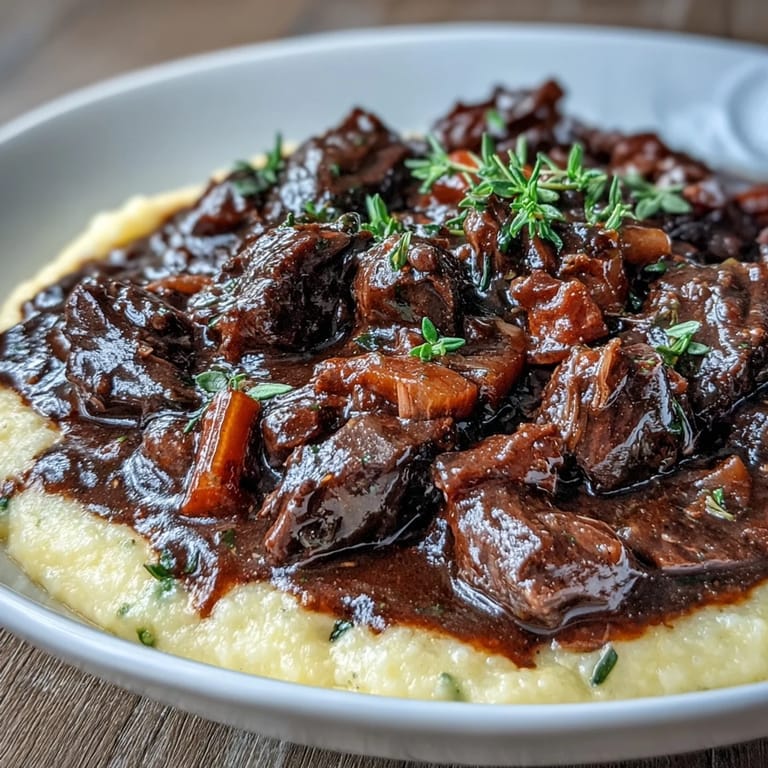
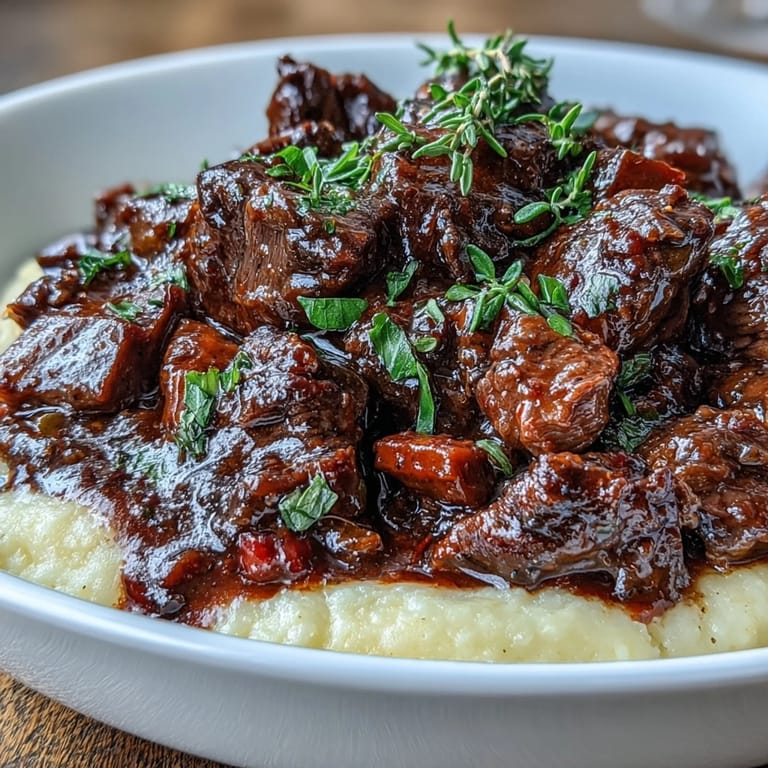
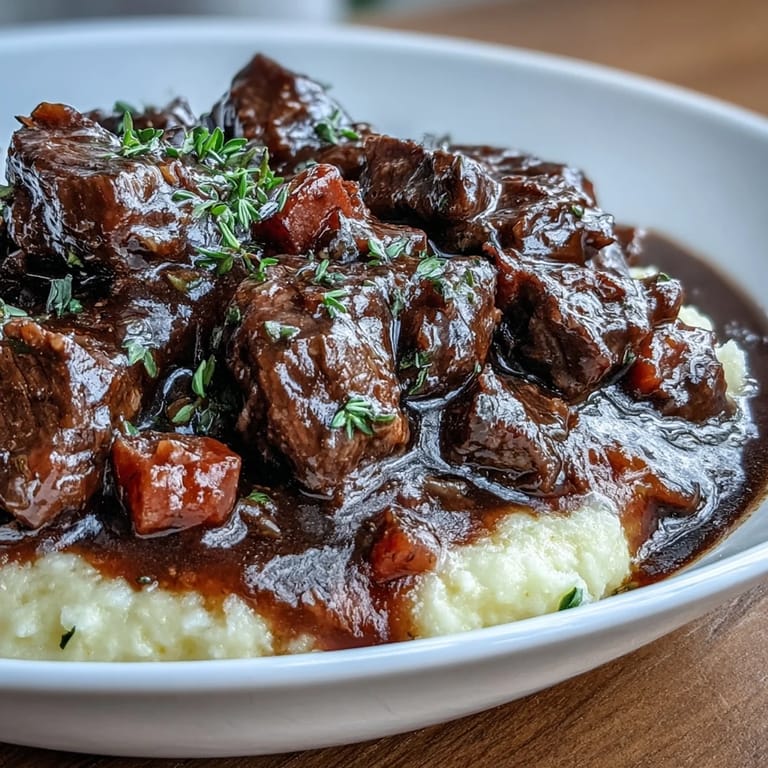
- Fish out the bay leaves and thyme sprigs from the stew, then ladle it generously over bowls of polenta. The stew should be glossy and the meat so tender it falls apart when you press it with a fork.
 Pin it
 There was a night when I reheated leftovers and the stew had thickened into something even richer overnight. I stirred it gently over low heat, added a splash of stock, and ate it standing at the counter with a wooden spoon. No polenta, no ceremony, just me and the quiet kitchen. Sometimes the second day is better than the first, and this is one of those dishes that proves it.
Choosing Your Venison
Shoulder cuts are ideal because they have enough fat and connective tissue to break down during the long simmer. If you end up with a leaner cut like haunch, consider adding a tablespoon of butter or a strip of bacon to the pot for extra richness. Ask your butcher to cube it for you if youre short on time, but if you do it yourself, aim for roughly three-centimeter pieces so they cook evenly. Frozen venison works just as well, just make sure its fully thawed and patted dry before browning.
Getting the Polenta Right
The ratio of liquid to polenta matters more than the type you use, so measure carefully and keep extra warm milk nearby. I learned the hard way that walking away even for a minute can result in lumps or scorching on the bottom. Whisking constantly for the first few minutes prevents clumping, but once it thickens, a wooden spoon works better. If you want to make it ahead, spread the cooked polenta in a buttered dish, let it set, then slice and pan-fry the pieces in butter before serving.
Make It Your Own
You can swap venison for beef chuck or lamb shoulder if game isnt available, though the flavor will be richer and less delicate. A splash of red wine alongside the sloe gin adds depth, and some people like stirring in a handful of dried cranberries or prunes near the end for extra sweetness. If you want more vegetables, try adding parsnips or mushrooms halfway through the simmer.
- Garnish with a handful of fresh parsley or a few picked thyme leaves for color and brightness.
- Serve with a side of buttered greens or roasted root vegetables to round out the meal.
- Leftovers freeze beautifully for up to three months, just reheat gently with a little extra stock.
 Pin it
 This is the kind of dish that feels like a small celebration every time you make it, whether its a quiet Tuesday or a table full of friends. I hope it fills your kitchen with warmth the way it has mine.
Frequently Asked Questions
- → Can I substitute the sloe gin with another ingredient?
Yes, you can substitute sloe gin with good-quality port, berry liqueur, or even add a splash of red wine for a richer depth of flavor. The sloe gin adds a unique fruity note, but these alternatives work beautifully.
- → What cut of venison works best for this dish?
Venison shoulder or any stewing cut works best as they become wonderfully tender during the slow cooking process. The longer braising time breaks down the connective tissue, resulting in melt-in-your-mouth meat.
- → Can I make the polenta ahead of time?
Fresh polenta is best, but you can prepare it 30 minutes ahead and keep it warm with a little extra milk stirred in. If it thickens too much, simply whisk in warm milk until you reach the desired creamy consistency.
- → How do I ensure the venison doesn't become tough?
Brown the meat properly first to seal in juices, then cook low and slow for the full 2 hours. Avoid boiling; maintain a gentle simmer. The meat should be fork-tender when done, falling apart easily.
- → What wine pairs best with this dish?
A robust red wine such as Shiraz or Cabernet Sauvignon complements the rich venison and sloe gin beautifully. The wine's tannins balance the meat's richness while enhancing the fruity notes from the sloe gin.
- → Is this dish suitable for meal prep?
Absolutely! The stew actually improves in flavor when made a day ahead. Store it covered in the refrigerator and reheat gently. Prepare fresh polenta when ready to serve for the best texture and creaminess.