 Save
Save The first time I made köfte, my neighbor Ayşe stopped by mid-afternoon, and the smell of grilling meatballs drew her straight into my kitchen. She watched me shape each one with damp hands and said, without hesitation, these will be perfect if you let them rest five minutes before cooking. That small moment changed everything, and now whenever I make them, I think of her standing there, arms crossed, nodding with quiet confidence.
I made these for a picnic last summer, and I remember the surprise on everyone's faces when they bit into one still warm from the grill. My friend Marco asked what was in them, certain there was some secret ingredient I wasn't sharing. It was just the combination of fresh mint and bulgur, but somehow that simplicity felt revolutionary to him in that moment.
Ingredients
- Ground beef or lamb (500 g): Use a mix if you can, it gives better flavor and moisture than beef alone. The meat is the foundation, so don't skimp here.
- Fine bulgur (100 g): The key to juicy meatballs; it absorbs and holds moisture while cooking, creating that tender center.
- Small onion, finely grated (1): Grating instead of chopping releases more juice into the mixture, which keeps every bite tender.
- Garlic, minced (2 cloves): Fresh garlic matters here; it won't get lost in the blend like powder would.
- Fresh parsley, finely chopped (2 tbsp): This is where the brightness comes from, so don't use dried if you can help it.
- Fresh mint, finely chopped (1 tbsp, or 1 tsp dried): Fresh mint is magical in köfte; it lifts the whole dish with its cool, aromatic edge.
- Ground cumin (1 tsp): Cumin gives köfte its distinctive warmth and depth; toast it lightly in a dry pan first if you want to unlock even more flavor.
- Paprika (1 tsp): Adds color and a gentle smokiness that makes grilled versions especially good.
- Ground black pepper (½ tsp): Freshly ground is better; pre-ground pepper loses its punch over time.
- Chili flakes (½ tsp, optional): A whisper of heat that doesn't overpower, just enough to make you reach for another one.
- Salt (1 tsp): Salt your mixture generously; it binds everything and seasons throughout, not just on the surface.
- Large egg (1): This is your binder; it holds the mixture together so the meatballs don't fall apart on the grill or in the pan.
- Olive oil (2–3 tbsp for pan-frying, or oil spray for grilling): Good olive oil makes a difference in the final taste and helps achieve that golden crust.
Tired of Takeout? 🥡
Get 10 meals you can make faster than delivery arrives. Seriously.
One email. No spam. Unsubscribe anytime.
Instructions
- Soften the bulgur:
- Pour 3 tablespoons of warm water over the bulgur and let it sit for 10 minutes. It will absorb the water and become tender, almost like cooked grain. This step is crucial because it ensures even moisture distribution throughout your meatballs.
- Combine everything:
- Add the meat, grated onion, garlic, herbs, and spices to the softened bulgur along with the egg. Use your clean hands to mix thoroughly, squeezing and turning the mixture until it feels slightly sticky and completely uniform. Stop when there are no dry streaks of meat or bulgur.
- Shape with damp hands:
- Wet your hands so the mixture doesn't stick to you. Form oval or round meatballs about the size of a walnut, working gently so they stay tender. If you notice the mixture is too warm or sticky, refrigerate it for 10 minutes and try again.
- Pan-fry for a golden finish:
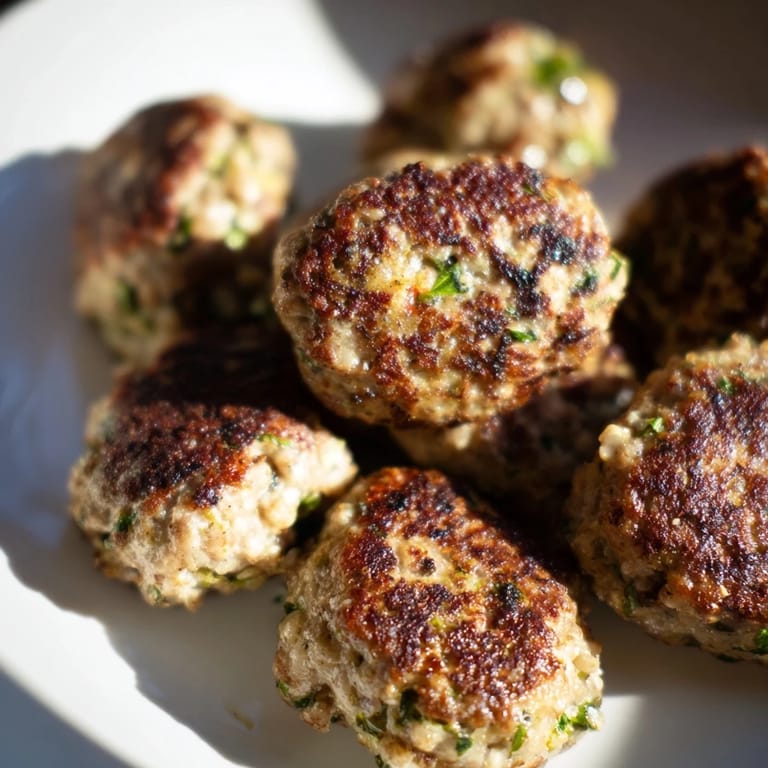
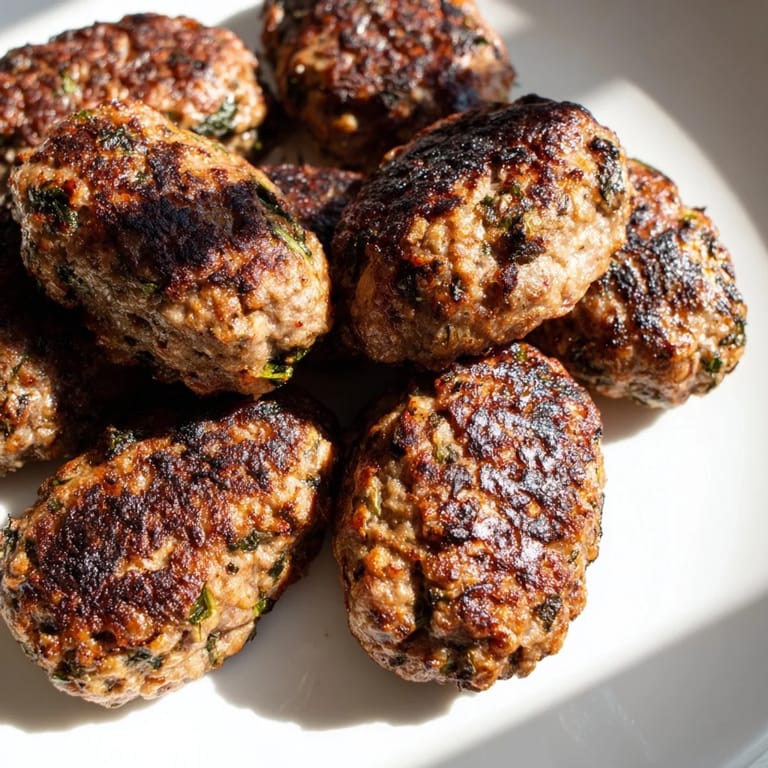
- Heat olive oil in a large skillet over medium heat until it shimmers slightly. Working in batches so they have room, lay the meatballs in the pan and resist the urge to move them for 3–4 minutes. Listen for that gentle sizzle and watch until the bottoms turn deep golden, then flip and cook the other side until the meat is cooked through.
- Or grill for smokiness:
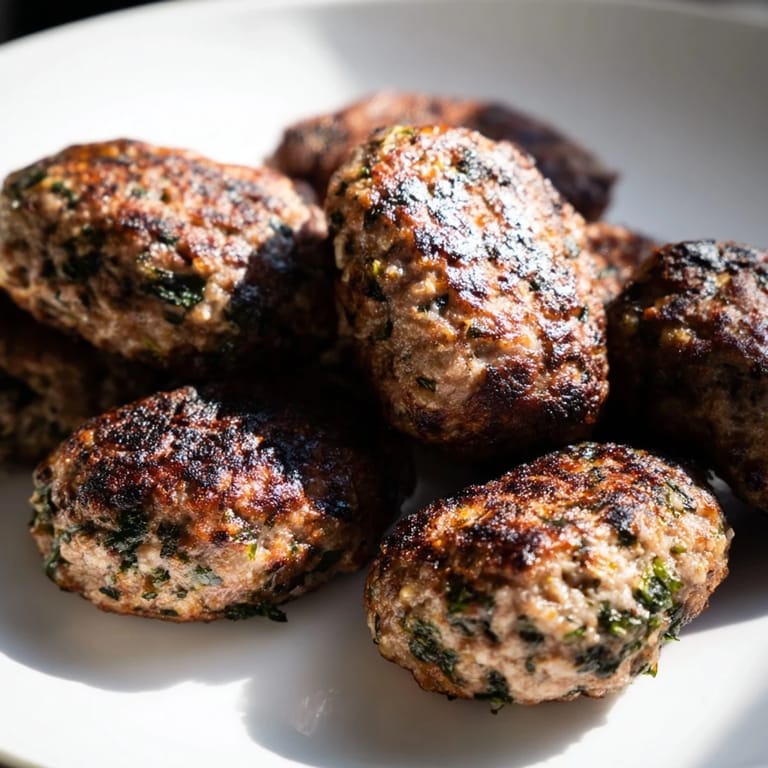
- Preheat your grill to medium-high and oil the grates well or use oil spray. Grill the meatballs for 3–4 minutes per side, turning them gently with tongs so they don't fall apart. They'll develop charred spots and a deeper flavor that pan-frying can't quite match.
- Rest briefly before serving:
- Let them sit on a warm plate for 2–3 minutes after cooking. This allows the juices to settle back into the meat instead of running out when you bite into them.
 Pin it
 Years ago, I made these for my father on a Tuesday evening, nothing special planned, just dinner. He had seconds without asking, which was his quiet way of saying something mattered. Now köfte is what I make when I want to cook for people I care about.
Flavor Balance and Customization
The beauty of köfte is how forgiving the spice balance is. The cumin and paprika are the backbone, but I've learned that a tiny pinch of cinnamon or allspice adds an unexpected warmth that people can't quite identify. Some cooks swear by a touch of ground coriander instead. The chili flakes are entirely optional; leave them out if you prefer the meatballs mild, or add more if your table likes heat. I once added pomegranate molasses to the mixture, just a teaspoon, and it brought an amazing tangy depth that surprised everyone.
Serving Suggestions
Serve köfte hot alongside fluffy rice or with warm flatbread; both make perfect vehicles for soaking up the juices. A cool yogurt sauce is traditional and cuts through the richness beautifully. Grilled vegetables, a simple tomato salad, or even tabbouleh round out the meal and add freshness. I've also served them cold the next day with a squeeze of lemon, stuffed into pita with pickled vegetables, and they were just as good.
Making Ahead and Freezing
Shape the raw meatballs and freeze them on a parchment-lined tray for a few hours, then transfer them to a freezer bag where they keep for up to three months. Cook them straight from frozen, just add a minute or two to the cooking time. This trick has saved me more than once when unexpected guests arrive.
- Raw meatballs frozen in batches give you fast weeknight dinners whenever you need them.
- There's no need to thaw; the cooking process handles it naturally.
- Keep a batch in your freezer like a secret backup plan.
 Pin it
 Turkish köfte are comfort food that doesn't feel heavy, and they taste like home even on your first try. Make them for people you want to feed well.
Frequently Asked Questions
- → What type of meat is best for Turkish köfte?
Ground beef, lamb, or a combination of both works well, lending rich flavor and tenderness to the köfte.
- → Can bulgur be substituted in the mixture?
Fine bulgur adds texture and absorbs flavors well, but you can experiment with soaked breadcrumbs if needed.
- → How do I achieve a crispy exterior on the meatballs?
Cook over medium heat using olive oil, ensuring the meatballs are browned on all sides either by pan-frying or grilling.
- → Are fresh herbs necessary for authentic flavor?
Fresh parsley and mint provide brightness and aroma, but dried mint can be used if fresh is unavailable.
- → What side dishes pair well with Turkish köfte?
They complement rice, grilled vegetables, flatbreads, or fresh salads perfectly for a balanced meal.