 Save
Save The first time I tasted döner was at a street stall in Istanbul, watching a man work the vertical spit with practiced ease—meat sizzling, fat crisping, the whole thing rotating like some delicious hypnotic machine. Years later, I decided to recreate that magic at home, and while a home oven isn't quite the same as a proper rotisserie, the layered, spiced meat that comes out is shockingly close. The key is patience: letting the marinade do its work overnight transforms humble sliced meat into something complex and deeply savory. This recipe has become my go-to when I want something that tastes like travel but feels entirely doable in my own kitchen.
I made this for my sister's birthday dinner when she mentioned missing Turkish food from a trip she'd taken years before. The moment I pulled the hot meat from the oven and the smell hit the kitchen—that intoxicating blend of cumin, coriander, and caramelized lamb—I knew I'd nailed it. Watching her face when she bit into a properly assembled wrap, eyes closed for a second, felt like I'd given her something more than just dinner.
Ingredients
- Boneless lamb shoulder or beef sirloin: Slice this as thin as you can manage—a partially frozen cut is easier to slice, and thin slices mean more surface area to absorb the marinade and crisp up beautifully.
- Lamb fat or beef fat: It sounds indulgent, but this optional addition is what gives authentic döner its richness and helps the meat stay moist as it cooks.
- Plain Greek yogurt: Use full-fat if you can; it's the secret acid that tenderizes the meat while adding creaminess to the marinade.
- Garlic and grated onion: The onion juice especially acts as a flavor carrier and tenderizer, so don't skip squeezing it out—you want the pulp, not the liquid.
- Ground cumin and coriander: These warm spices are the backbone of döner's flavor; toast them lightly in a dry pan before adding if you want to deepen their flavor.
- Sweet and smoked paprika: Both matter—sweet paprika gives color and mild warmth, while smoked paprika adds that subtle char-like depth.
- Cinnamon and chili flakes: These feel like supporting actors but they're crucial for complexity; the cinnamon especially rounds out the heat from the pepper and chiles.
Tired of Takeout? 🥡
Get 10 meals you can make faster than delivery arrives. Seriously.
One email. No spam. Unsubscribe anytime.
Instructions
- Build Your Spice Foundation:
- Whisk together the yogurt, olive oil, garlic, and grated onion in a large bowl, then add all your spices and salt. The mixture should smell aromatic and alive—that's how you know the spices are doing their job. This is the flavor engine for everything that comes next.
- Marinate the Meat:
- Toss your thinly sliced meat (and fat, if using) into the marinade bowl and coat every piece like you're tucking them into bed. Cover and slide into the fridge for at least four hours, but honestly, overnight is when the real magic happens—the yogurt breaks down the meat's fibers while the spices soak in.
- Set Up Your Cook Station:
- Preheat your oven to 200°C (400°F) and position a rack over a baking tray. If you're layering the meat onto skewers or in a loaf pan, pack it tight—this creates those beautiful compressed layers that slice cleanly later. Think of it like building a delicious, spiced tower.
- Roast Low and Slow, Then Finish Hot:
- Roast for an hour, basting with the pan juices every fifteen minutes or so; this keeps the meat succulent and helps the exterior brown gradually. In the final fifteen minutes, crank the heat up to 220°C (430°F) to develop a proper caramelized crust. You're aiming for golden-brown edges and sizzling juices pooling at the bottom.
- Rest and Slice:
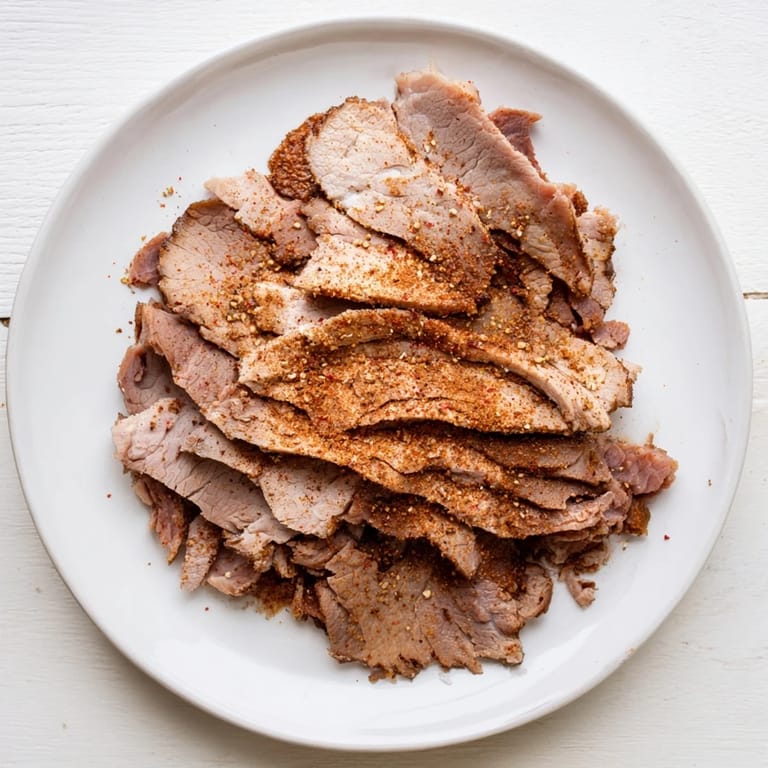
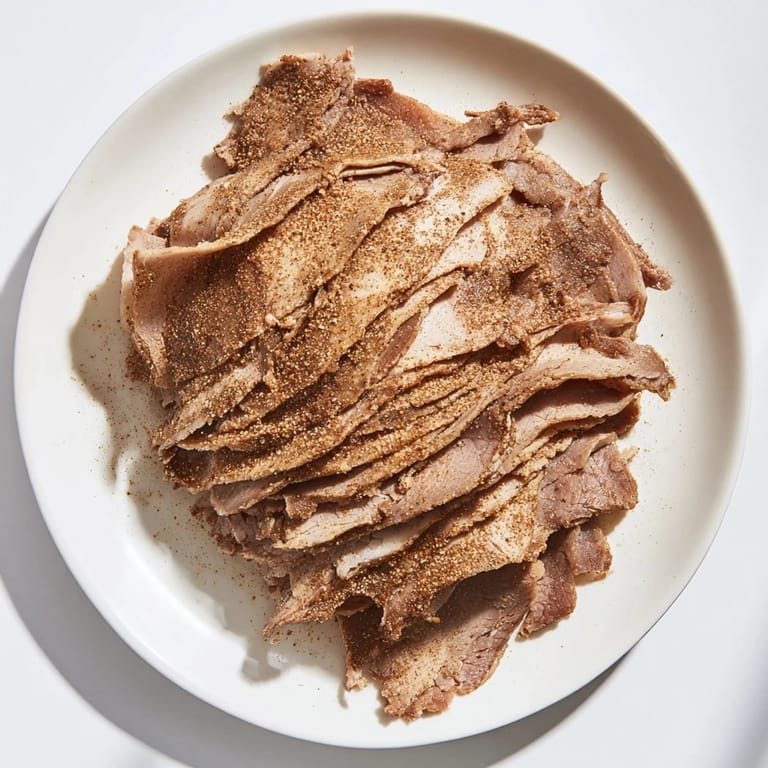
- Let the meat rest for ten minutes—this sounds like a small step but it redistributes the juices and prevents them from running out all over your cutting board. Use your sharpest knife to slice as thin as you can manage; those paper-thin slices are what make döner feel special.
 Pin it
 My kitchen smelled like a Turkish spice market by the time this was done roasting, and honestly, that's when I knew my friends would be eating well that night. There's something about the aroma of a dish that sets expectations before anyone even sits down—döner has that power.
Layering and Compacting: The Secret Behind Restaurant Quality
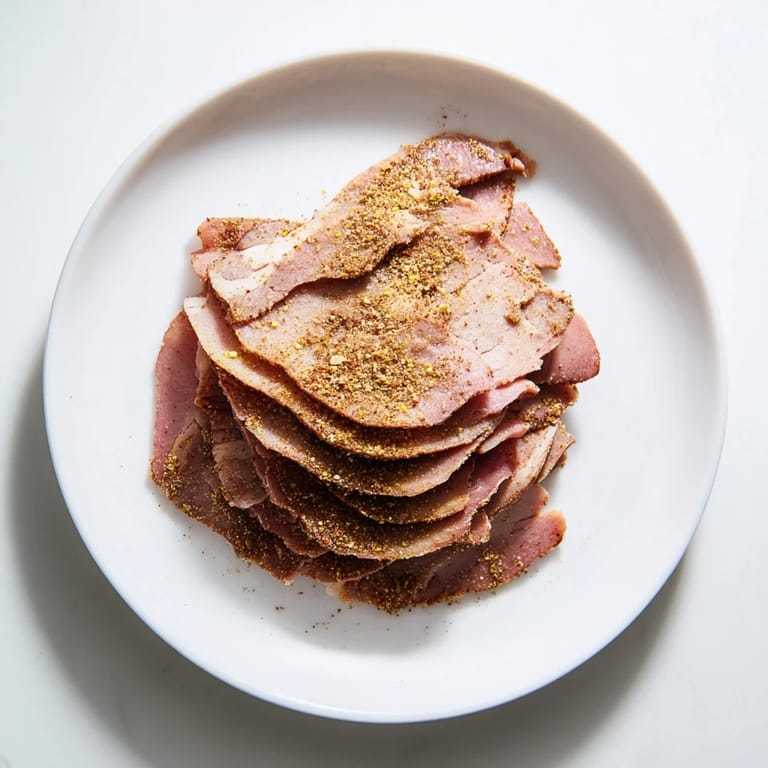
The reason restaurant döner has that distinctive look—those tight, compressed layers that slice so cleanly—is because the meat is built up in layers and pressed together. At home, you can replicate this by either threading marinated meat tightly onto metal skewers in overlapping pieces or by packing it into a loaf pan in tight layers, pressing down between each addition. Some people even wrap the stack with kitchen twine to hold it together as it cooks, then remove it before serving. This compression forces the meat into contact so the layers cook together as one unit, creating that satisfying, dense texture that falls apart into those signature thin slices.
Customizing the Heat and Spice Level
This recipe is built around warm, layered spices rather than aggressive heat, but your kitchen should smell good to you. If you prefer more fire, increase the chili flakes or add a pinch of cayenne. If you're cooking for people who find even smoked paprika intimidating, you can dial back the paprikas slightly and compensate with a touch more cinnamon for sweetness. The cumin and coriander are non-negotiable though—those are the character of the dish—so keep those strong and adjust only the heat elements to your preference.
Building Your Döner Wrap and Serving Ideas
The assembly matters as much as the cooking: warm your flatbread, layer in the thin-sliced meat while it's still warm, then build with crisp vegetables and a generous drizzle of yogurt sauce or garlic sauce. Some people add a squeeze of lemon juice or sumac for brightness. If you're serving over rice instead of in bread, the meat works beautifully as a warm topping with fresh herbs scattered on top. Leftovers reheat gently in a covered pan over medium-low heat—add a splash of water to keep everything moist—and the flavor actually deepens the next day.
- Make a simple garlic sauce by mixing Greek yogurt with minced garlic, lemon juice, and a pinch of salt to serve alongside.
- Thinly slice red onion and quick-pickle it in lemon juice for ten minutes for a sharp, refreshing contrast to the rich meat.
- Toast your flatbread directly over a gas flame or in a dry pan for a minute to give it a subtle char and warmth that brings everything together.
 Pin it
 Making döner at home taught me that some dishes feel special not because they're complicated, but because they reward patience and intention. Every time someone takes a bite of something you've marinated overnight and roasted with care, you've already won.
Frequently Asked Questions
- → What type of meat works best for this dish?
Boneless lamb shoulder or beef sirloin, thinly sliced, offer tender and flavorful layers perfect for slow cooking.
- → How long should the marinade be applied?
Marinating for at least 4 hours, preferably overnight, helps the spices and yogurt penetrate the meat for enhanced flavor and tenderness.
- → Can this be cooked without a vertical rotisserie?
Yes, threading the meat on metal skewers or layering it tightly in a loaf pan and roasting in the oven replicates the slow-cooked effect.
- → What are ideal accompaniments to serve with the meat?
Warm flatbreads, fresh vegetables like sliced tomatoes, onions, cucumbers, and yogurt or garlic sauces complement the layers perfectly.
- → Are there suitable alternatives for meat variations?
Chicken thighs can substitute part of the meat for a lighter, yet still flavorful, version of the dish.