 Save
Save My roommate in college swore by this dish during finals week. She'd stand at the stove, half-asleep, tossing pasta with cheese and pepper like it was second nature. I thought she was crazy until I tasted it: just three ingredients, and somehow it felt like eating velvet. That night, I learned that simplicity doesn't mean boring. It means every single thing has to be perfect.
I made this for my parents on a random Tuesday, and my dad, who usually critiques everything, went quiet. He twirled his fork slowly, nodded, and asked for seconds. My mom laughed and said it reminded her of a trip to Rome they took before I was born. I didn't expect a bowl of pasta to unlock a memory like that, but it did.
Ingredients
- Spaghetti (400 g): The texture matters here, so cook it just until al dente with a little bite left in the center.
- Pecorino Romano cheese (120 g, finely grated): This sharp, salty sheep's milk cheese is the soul of the dish, so buy a wedge and grate it yourself for the creamiest results.
- Freshly cracked black pepper (2 tsp, plus extra): Toasting the pepper wakes up its oils and fills your kitchen with a warm, spicy scent that makes the whole dish come alive.
- Salt: For the pasta water only, because the cheese brings all the salt you need to the sauce.
Tired of Takeout? 🥡
Get 10 meals you can make faster than delivery arrives. Seriously.
One email. No spam. Unsubscribe anytime.
Instructions
- Boil the pasta:
- Bring a large pot of salted water to a rolling boil, drop in the spaghetti, and cook until it still has a firm bite. Before draining, scoop out a full cup of that cloudy, starchy water because it's the secret to making the sauce cling.
- Toast the pepper:
- In a large skillet over low heat, let the black pepper sizzle gently for a minute or two until it smells nutty and bold. Don't rush this step or it'll taste raw.
- Add pasta water:
- Pour about half a cup of the reserved hot pasta water into the skillet with the toasted pepper and let it bubble softly. This creates the base for your sauce.
- Toss the pasta:
- Add the drained spaghetti directly into the skillet and toss it around so every strand gets coated in that peppery liquid. The pasta should glisten.
- Melt in the cheese:
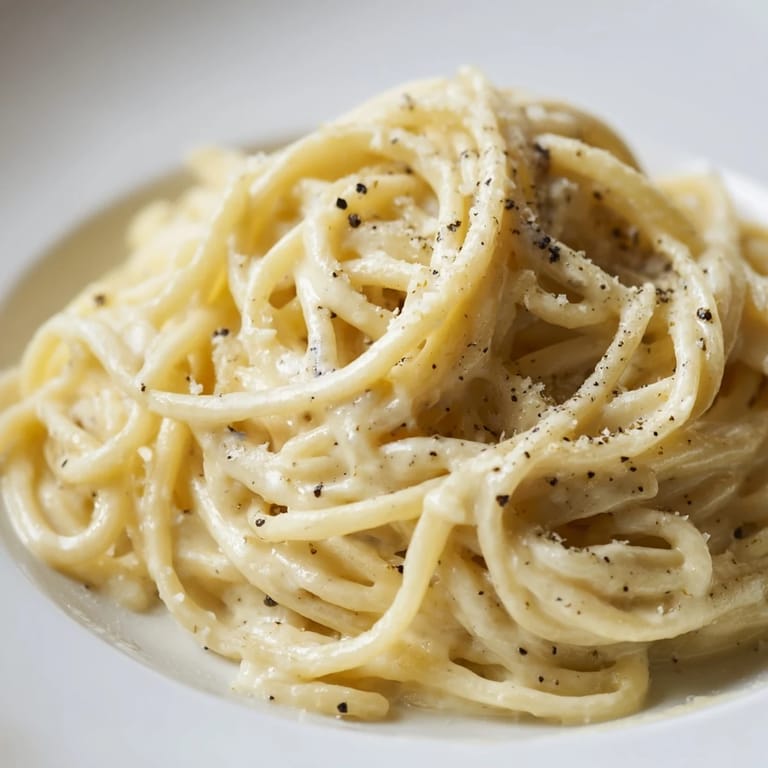
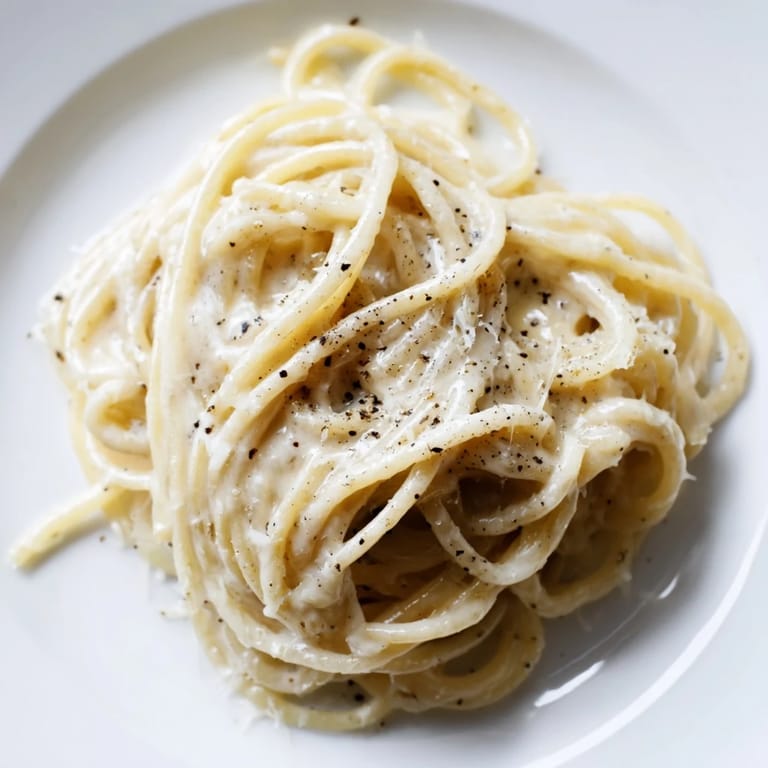
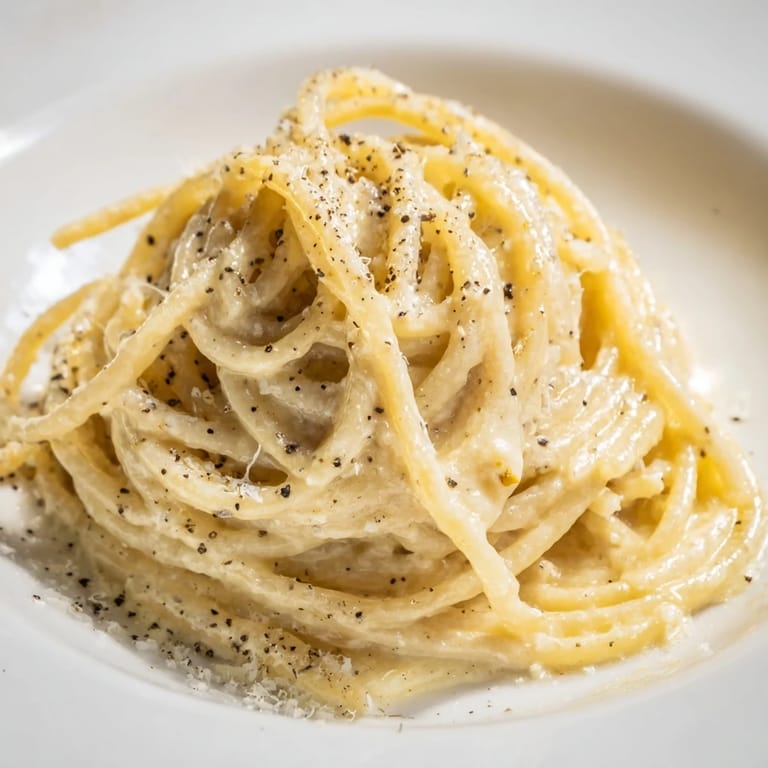
- Turn off the heat, then sprinkle in the Pecorino a little at a time, tossing constantly and adding splashes of reserved water as needed until the cheese melts into a creamy, glossy sauce. If you stop moving the pan, the cheese will clump, so keep it moving.
- Serve hot:
- Plate immediately and finish with an extra shower of grated cheese and cracked pepper. This dish waits for no one.
 Pin it
 One winter evening, I made this for a friend who had just gone through a breakup. We sat on the floor with bowls in our laps, twirling pasta and talking about nothing important. She told me later that it was the first time in weeks she'd felt calm. Sometimes, a plate of spaghetti can do more than feed someone.
Choosing the Right Cheese
Pecorino Romano is traditional and brings a sharp, tangy punch that defines this dish. If you can't find it or want something gentler, Parmigiano Reggiano works, though it'll taste milder and less assertive. I've tried mixing the two, and honestly, it's delicious but not quite the same as the real Roman version. Whatever you choose, grate it fine so it melts fast and doesn't clump.
Getting the Sauce Just Right
The first time I made this, my sauce broke and turned into oily cheese bits. I learned the hard way that temperature control is everything. Keep the heat low after you drain the pasta, and add the cheese off the flame while tossing constantly. The starch in the pasta water acts like glue, binding the cheese and water into that glossy, creamy coating. If it looks too thick, add a tablespoon of water at a time until it loosens up.
Serving and Pairing Ideas
This pasta shines on its own, but I like to serve it with a simple arugula salad dressed in lemon and olive oil to cut through the richness. A crisp white wine like Vermentino or Pinot Grigio is perfect alongside, though I've also enjoyed it with sparkling water and a squeeze of lemon. Keep it simple, because the pasta is the star.
- Serve in warm bowls so the sauce doesn't cool and thicken too fast.
- Have extra grated cheese and cracked pepper at the table for anyone who wants more.
- Leftovers don't reheat well, so this is best enjoyed fresh and hot.
 Pin it
 This dish taught me that cooking doesn't have to be complicated to be memorable. Sometimes, all you need is good ingredients, a little heat, and someone to share it with.
Frequently Asked Questions
- → What is the secret to achieving a creamy sauce without cream?
The starch from reserved pasta water emulsifies with the Pecorino Romano cheese to create a silky, creamy sauce. Add the cheese gradually while tossing vigorously, and incorporate more pasta water as needed to reach the desired consistency.
- → Can I use pre-grated Pecorino Romano?
Freshly grated Pecorino Romano works best because pre-grated versions contain anti-caking agents that prevent proper melting and emulsification. Always grate just before cooking for optimal results.
- → What type of black pepper should I use?
Freshly cracked black pepper is essential for this dish, as it provides superior flavor and texture compared to pre-ground pepper. Crack peppercorns just before toasting them to maximize aromatic oils.
- → Can I substitute Parmigiano Reggiano for Pecorino Romano?
Yes, Parmigiano Reggiano is a suitable substitute, though it will produce a milder, less salty flavor profile. The texture and creaminess will remain similar if you follow the same technique.
- → Why is timing important when adding cheese?
Working quickly when sprinkling in the cheese prevents it from clumping and ensures even melting. Constant tossing and stirring distribute the cheese evenly throughout the pasta while the starch creates a cohesive sauce.
- → What wine pairs well with this dish?
Crisp white wines like Vermentino or Pinot Grigio complement the salty, peppery flavors beautifully. The acidity in these wines cuts through the richness of the cheese sauce.