 Save
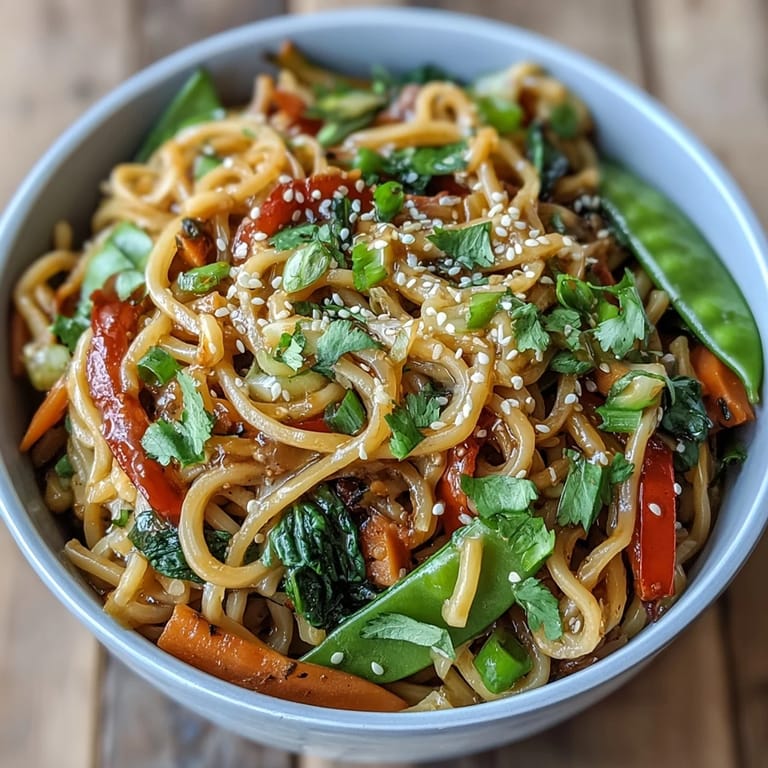
Save One Tuesday evening, I found myself staring at a package of shirataki noodles that had been sitting in my pantry for weeks, wondering if they could actually taste good. My usual go-to comfort foods felt heavy, and I craved something that felt nourishing without the guilt that sometimes follows a big bowl of carbs. That night, I pulled together whatever crisp vegetables I had on hand, whisked up a ginger sauce that filled my kitchen with the most intoxicating aroma, and discovered that this humble noodle bowl could be genuinely crave-worthy.
I made this for a friend who'd just started exploring low-carb eating, and watching her face light up when she took that first bite reminded me that healthy food doesn't have to taste like compromise. She asked for the recipe before she'd even finished the bowl, which felt like the highest compliment I could receive in that moment.
Ingredients
- Shirataki noodles: These deserve a proper rinse and quick boil to remove that funky smell they sometimes have straight from the package, which makes all the difference in flavor and texture.
- Bok choy: The tender leaves wilt beautifully in the hot pan while the stalks keep their crisp bite, giving you textural contrast that makes each spoonful interesting.
- Red bell pepper: Slice it thin so it softens just enough in the heat while still keeping its natural sweetness and slight crunch.
- Snow peas: These stay bright green and snappy if you don't overthink them—two to three minutes is all they need.
- Carrot: Julienning it thin means it cooks in the same time as everything else, eliminating the frustration of some vegetables being done while others are still crunchy.
- Green onions: Save some of the white parts for cooking and sprinkle the greens on top at the end for both flavor layers and visual pop.
- Tamari or gluten-free soy sauce: The umami backbone that makes this sauce taste rich and intentional rather than watery or flat.
- Rice vinegar: A splash of this adds brightness that keeps everything from tasting too heavy, cutting through the sesame oil beautifully.
- Toasted sesame oil: This is non-negotiable—the toasted version has nutty depth that regular sesame oil simply doesn't deliver, so don't shortcut it.
- Fresh ginger: Grate it finely so it distributes evenly throughout the sauce instead of leaving spicy pockets that surprise you mid-bite.
- Sesame seeds: Toasting them yourself if you have time deepens their flavor, but quality store-bought toasted seeds work beautifully too.
Tired of Takeout? 🥡
Get 10 meals you can make faster than delivery arrives. Seriously.
One email. No spam. Unsubscribe anytime.
Instructions
- Clean those noodles:
- Drain and rinse the shirataki noodles under cold water, then drop them into boiling water for just two minutes. They need that brief heat to become tender, but not limp.
- Build your sauce:
- Whisk together the tamari, rice vinegar, sesame oil, ginger, and garlic in a small bowl until everything is smooth and fragrant. This is where the magic happens, so take a breath and smell how good it is.
- Start with the hardy vegetables:
- Heat your skillet or wok over medium-high heat until it's hot enough that a drop of water sizzles on contact. Add the carrot, bell pepper, and snow peas, stirring constantly for two to three minutes until they just begin to soften but still have snap.
- Add the tender greens:
- Toss in the bok choy and white parts of the green onions, stirring for another minute or two until the leaves just start to wilt. Don't walk away here—you want to catch them at that perfect moment between raw and tender.
- Bring it all together:
- Add your drained noodles to the pan and pour that gorgeous sauce over everything. Toss constantly for two to three minutes, letting the noodles absorb the sauce flavors while the vegetables stay hot and crisp.
- Plate and garnish:
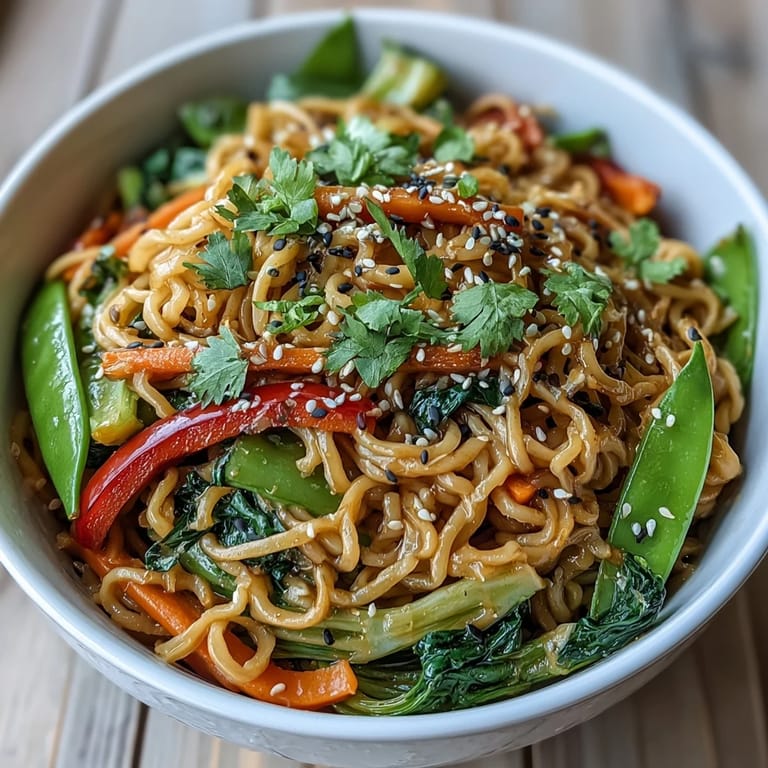
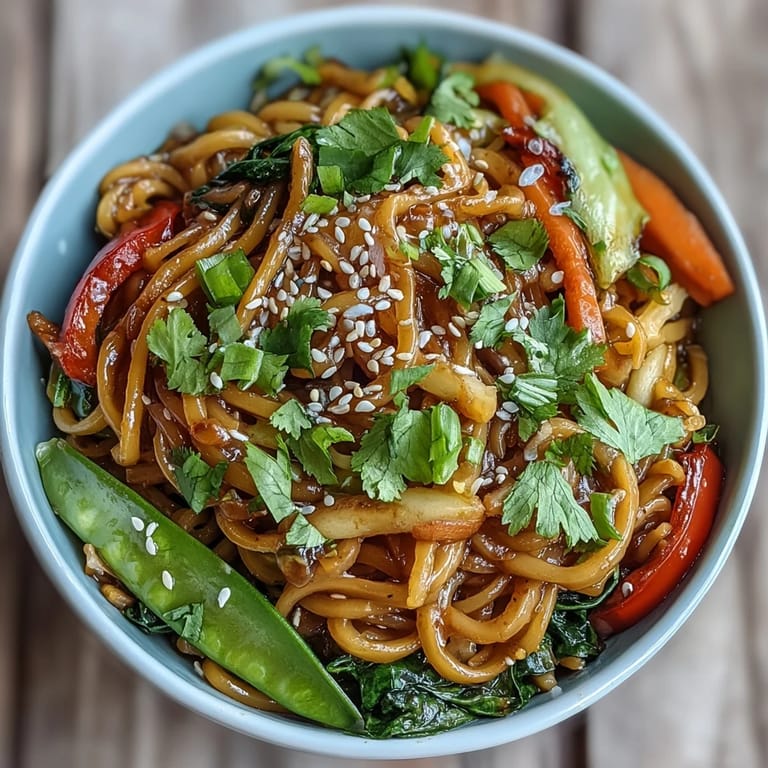
- Divide between two bowls, scatter the toasted sesame seeds and green onion tops over the top, and add fresh cilantro or basil if you have it. The fresh herbs are optional but they add a brightness that completes the dish.
 Pin it
 There's something almost meditative about the sound of vegetables hitting a hot pan and the way ginger fills your whole kitchen with warmth. This bowl became my go-to meal on evenings when I needed something that felt like self-care, simple enough that it didn't require thinking, but intentional enough that it felt like I was taking care of myself.
Customizing Your Bowl
The beauty of this recipe is that it genuinely thrives on flexibility without losing its identity. I've made it with broccoli when that's what I had, swapped mushrooms for the bell pepper, and even thrown in snap peas instead of snow peas on days when my shopping trip hadn't gone as planned. Each variation tastes different but equally satisfying, which means you can keep making this without it ever feeling repetitive or stale.
Protein Additions That Work
While this bowl is wonderful on its own, adding protein makes it feel more like a complete meal. I've grilled cubed tofu until it's crispy on the edges, crumbled tempeh for a nutty texture, or added shrimp that only needs a minute or two in the hot pan before it's cooked through and ready to join the party. Each choice brings something different to the table without overshadowing the delicate balance of the sauce and vegetables.
Making This Your Regular Meal
Once you've made this once or twice, it becomes the kind of recipe you can practically make with your eyes closed, which is exactly why it's stuck in my rotation. It's fast enough for weeknights when you're tired, impressive enough to serve to guests without making a big deal about it, and healthy enough that you feel genuinely good afterward instead of sluggish. The prep is genuinely minimal, and cleanup is even easier since everything cooks in one pan and you're done before you know it.
- Keep pre-washed bok choy and pre-julienned carrots in your fridge so you can make this bowl in literal minutes whenever the craving hits.
- Double the sauce recipe and keep it in a jar—it keeps for a week and transforms other quick meals too, like roasted broccoli or leftover grains.
- Set up a little prep station where you have everything chopped and ready before you turn on the heat, which makes the actual cooking feel almost effortless.
 Pin it
 This shirataki noodle bowl taught me that eating well doesn't require complicated techniques or a list of ingredients you've never heard of—it's about respecting what you're cooking and taking those few extra minutes to make it taste genuinely good. I hope it becomes something you find yourself making again and again, always a little bit different but always exactly what you needed.
Frequently Asked Questions
- → Do shirataki noodles have any taste?
Shirataki noodles have a very mild, neutral taste on their own. They absorb flavors exceptionally well, making them perfect for sauces and seasonings. Proper rinsing and brief boiling help remove any natural aroma.
- → Can I add protein to this bowl?
Absolutely. Grilled tofu, tempeh, edamame, or cooked shrimp work wonderfully. Add your protein during the final few minutes of cooking to heat through without overcooking the vegetables.
- → What vegetables can I substitute?
Become flexible with your vegetable choices. Broccoli florets, sliced mushrooms, snap peas, bean sprouts, or shredded cabbage all work beautifully. Adjust cooking times based on vegetable density.
- → Is this dish spicy?
The chili flakes are optional, making this customizable to your heat preference. Even without them, the fresh ginger and garlic provide a gentle warmth. Add sriracha or sliced chilies if you enjoy more spice.
- → How do I store leftovers?
Store in an airtight container in the refrigerator for up to 2 days. Note that shirataki noodles may release liquid over time, so drain before reheating. Best enjoyed fresh for optimal texture.
- → Can I make the sauce ahead?
Yes, whisk the sauce ingredients together and store in the refrigerator for up to a week. Bring to room temperature before using, as the sesame oil may solidify when chilled.