 Save
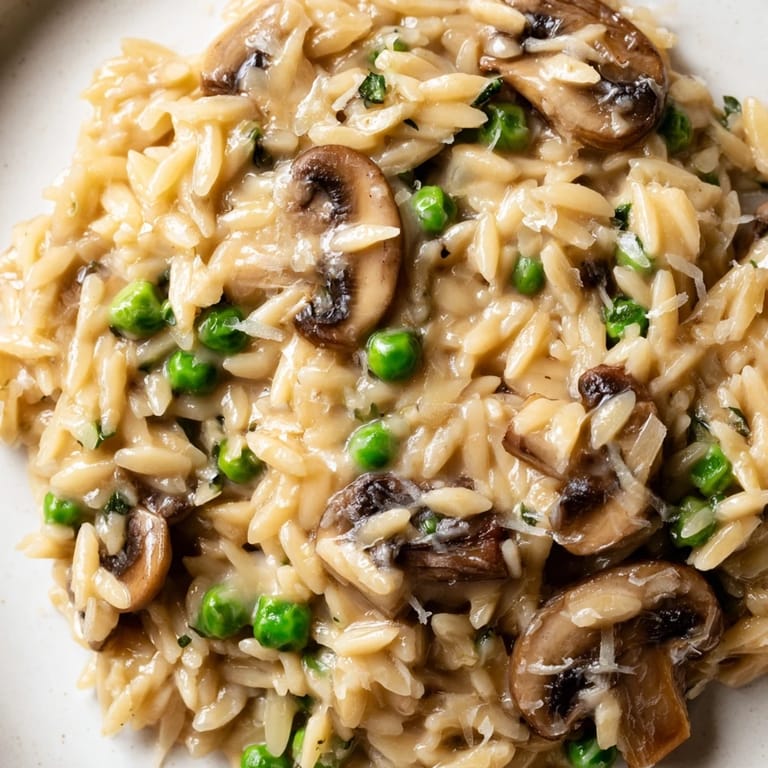
Save The smell of mushrooms browning in olive oil always pulls me back into the kitchen, no matter what else I'm doing. I started making this orzo dish on a Tuesday night when I had no risotto rice but craved that slow-stirred, creamy comfort. The orzo surprised me—it released starch just like Arborio, turning glossy and soft with each ladleful of broth. By the time I folded in the Parmesan, I realized I'd stumbled onto something that felt indulgent but came together faster than I expected. Now it's the dish I make when I want to feel like I'm taking care of myself without spending an hour at the stove.
I made this for my neighbor once after she mentioned she'd had a long week. She stood in my kitchen with a glass of wine, watching me stir and add broth in slow intervals. She said it looked meditative, and I realized she was right—there's something soothing about the rhythm of it. When we sat down to eat, she went quiet for a few bites, then looked up and said it tasted like the kind of meal that makes you feel less alone. I've thought about that every time I've made it since.
Ingredients
- Orzo pasta: This tiny rice-shaped pasta releases starch beautifully when stirred, giving you that signature creamy texture without any rice at all.
- Olive oil: Use a good quality one—it's the first flavor that hits the pan and coats every ingredient that follows.
- Onion: Finely chop it so it melts into the background, adding sweetness without chunky bits.
- Garlic cloves: Mince them fresh and add them just after the onion so they bloom without burning.
- Cremini or button mushrooms: Slice them evenly so they brown at the same rate and develop that deep, earthy flavor.
- Frozen peas: Optional, but they add a pop of color and a little sweetness that balances the richness.
- Vegetable broth: Keep it warm on a back burner so each addition doesn't cool down the pan and slow the cooking.
- Dry white wine: It adds acidity and brightness, but you can skip it and the dish will still be delicious.
- Parmesan cheese: Grate it fresh—the pre-shredded stuff doesn't melt as smoothly and lacks that nutty punch.
- Unsalted butter: Stir it in at the end for a glossy, velvety finish that coats every piece of orzo.
- Salt and black pepper: Taste as you go, especially after adding the Parmesan, which brings its own saltiness.
- Fresh parsley: A handful of chopped parsley at the end adds a bright, herbal note that cuts through the richness.
Tired of Takeout? 🥡
Get 10 meals you can make faster than delivery arrives. Seriously.
One email. No spam. Unsubscribe anytime.
Instructions
- Start with the aromatics:
- Heat the olive oil in a large skillet over medium heat and add the chopped onion, letting it cook until soft and translucent, about three minutes. You'll know it's ready when the kitchen starts to smell sweet and inviting.
- Build the mushroom base:
- Toss in the garlic and sliced mushrooms, stirring occasionally until the mushrooms release their moisture and turn golden brown, about five to six minutes. This is where the earthy flavor really develops, so don't rush it.
- Toast the orzo:
- Add the orzo to the pan and stir it around for a minute, letting it toast lightly in the oil and mushroom juices. This step adds a subtle nuttiness and helps the pasta absorb flavor better.
- Deglaze with wine:
- Pour in the white wine if you're using it and let it bubble and reduce until mostly absorbed. The acidity brightens everything and adds a layer of complexity.
- Add broth slowly:
- Ladle in about a cup of warm broth, stirring often, and wait until most of it's absorbed before adding the next half cup. This gradual method coaxes out the starch and creates that creamy, risotto-like texture.
- Stir in the peas:
- After about ten minutes of adding broth, fold in the frozen peas if you're using them. They'll thaw and cook through in just a few minutes without losing their bright green color.
- Finish with richness:
- When the orzo is tender and creamy after about eighteen to twenty minutes total, remove the pan from heat and stir in the butter and Parmesan. The residual heat will melt everything into a silky, glossy coating.
- Season and serve:
- Taste and adjust with salt and pepper, then dish it up right away. Top with extra Parmesan and a sprinkle of fresh parsley if you have it.
 Pin it
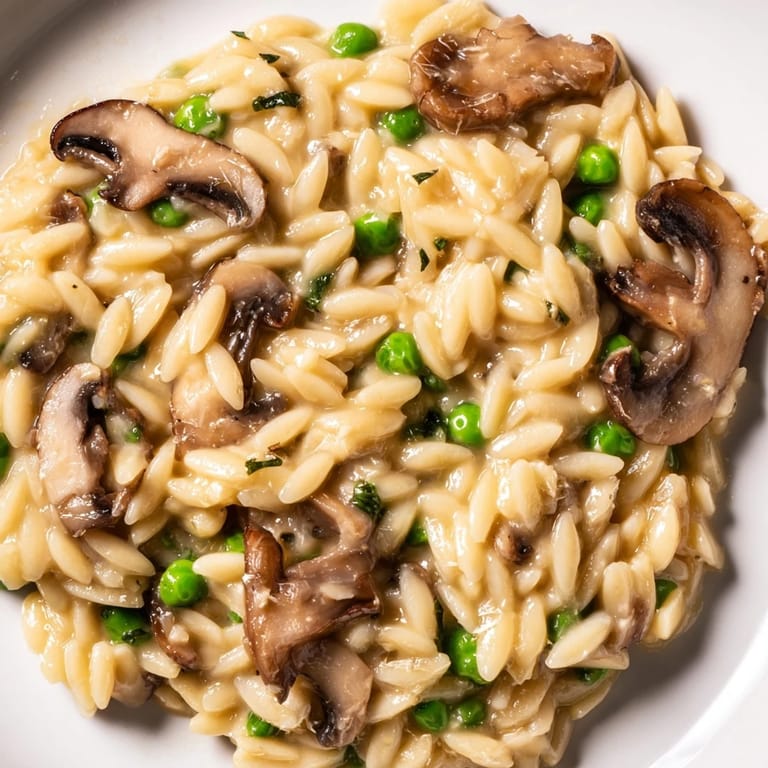
 One evening I served this to a friend who swore she didn't like mushrooms. She ate two bowls and then asked for the recipe. I think it was the way the mushrooms melted into the creamy orzo, becoming part of the whole instead of standing out on their own. That night taught me that sometimes it's not about the ingredient itself, but how you let it soften and blend into something comforting.
How to Store and Reheat
Leftovers will thicken in the fridge as the orzo absorbs the liquid, but don't worry—it comes back to life easily. I store it in an airtight container for up to three days, then reheat it gently on the stove with a few spoonfuls of broth or water, stirring until it loosens up again. The microwave works too, but add a splash of liquid and stir halfway through so it heats evenly. Sometimes I'll stir in a little extra butter or a drizzle of olive oil to bring back that silky texture.
Variations to Try
This dish is a canvas, and I've played with it more times than I can count. Stir in a handful of baby spinach or arugula right at the end for a pop of green and a peppery bite. Swap the cremini mushrooms for shiitake or oyster mushrooms if you want a more complex, woodsy flavor. A few drops of truffle oil before serving turns it into something you'd order at a restaurant. For a dairy-free version, use plant-based butter and nutritional yeast or vegan Parmesan, and it still comes out creamy and satisfying.
What to Serve Alongside
I usually keep it simple and serve this with a crisp green salad dressed in lemon vinaigrette to cut through the richness. A chunk of crusty bread for soaking up any extra creaminess never hurts either. If I'm feeling fancy, I'll roast some asparagus or broccolini with garlic and serve it on the side. A glass of chilled Pinot Grigio or Sauvignon Blanc pairs beautifully, echoing the brightness of the wine in the dish itself.
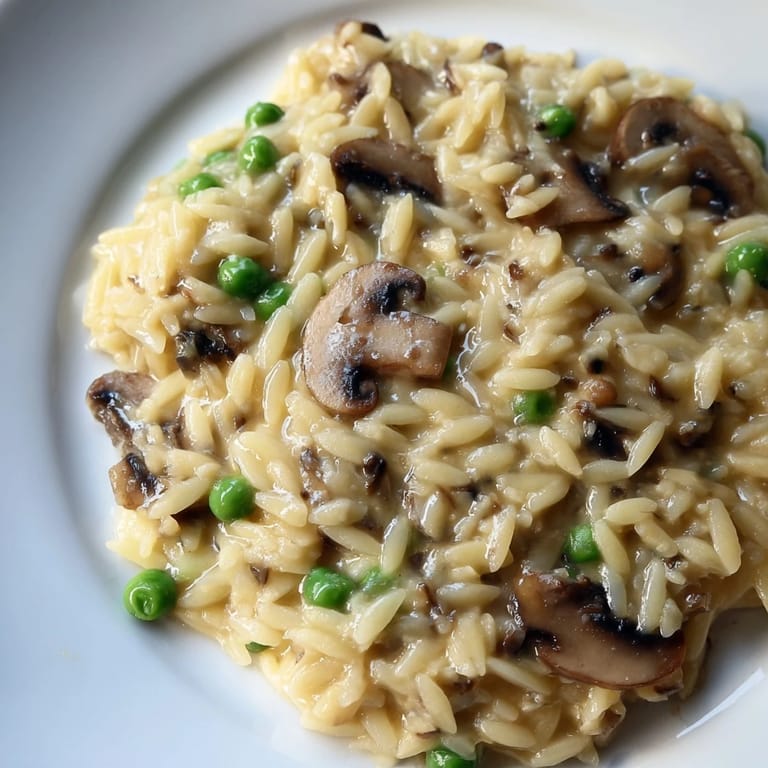
- Serve it in shallow bowls so you can see all that glossy, creamy texture.
- Grate fresh Parmesan at the table and let everyone add as much as they want.
- Leftovers make a great lunch the next day, especially if you stir in a little extra broth to freshen it up.
 Pin it
 This orzo has become my go-to when I want something that feels like a warm kitchen on a cold night. It's proof that comfort doesn't have to be complicated, just stirred with a little patience and finished with something rich.
Frequently Asked Questions
- → Can I use different mushroom varieties?
Absolutely. Cremini, button, shiitake, or oyster mushrooms all work beautifully. Mix varieties for complex, earthy flavor. Adjust cooking time if using larger mushrooms—slice evenly for consistent texture.
- → What if I don't have white wine?
White wine is optional and adds acidity. Skip it entirely or substitute with vegetable broth or a splash of lemon juice. The dish remains creamy and flavorful without it.
- → How do I get the creamy texture without cream?
The key is the risotto method—constant stirring releases the orzo's natural starches, creating creaminess. Warm broth, proper timing, and finishing with butter and Parmesan achieve luxurious texture.
- → Can this be made dairy-free?
Yes. Use plant-based butter and dairy-free Parmesan alternatives. The stirring method still creates creaminess. Add nutritional yeast for umami depth if desired.
- → How do I know when the orzo is done?
Cook until al dente—tender but with slight firmness. This typically takes 18-20 minutes from when you begin adding broth. Taste frequently to achieve your preferred texture.
- → What pairs well with this dish?
Serve alongside a crisp Pinot Grigio or Sauvignon Blanc. A simple green salad with lemon vinaigrette balances the richness. Crusty bread is perfect for soaking up the creamy sauce.