 Save
Save My neighbor Maria showed up one afternoon with a bottle of homemade Limoncello and insisted I had to bake something with it, refusing to leave until I promised to try. That evening, while the kitchen filled with the sharp, bright scent of lemon zest, I understood why she'd been so insistent—this cake captures that golden Italian sunshine in every bite, moist and tender with just enough tang to feel elegant without being pretentious.
I baked this for a spring baby shower last May, and watching three different guests sneak back into the kitchen for seconds while pretending they were just getting coffee made my entire week. One friend actually asked if I'd used actual lemon trees from Italy, which I still think about when I need a confidence boost in the kitchen.
Ingredients
- All-purpose flour (2 ½ cups): This is your structure—don't skimp on measuring it properly by spooning and leveling, or you'll end up with a dense brick instead of a tender crumb.
- Baking powder (2 tsp): The gentle lift that keeps this cake tender rather than heavy; it works quietly in the background but makes all the difference.
- Salt (½ tsp): Just enough to make the lemon flavor sing without tasting salty—trust it even though it seems small.
- Unsalted butter (1 cup), softened: Room temperature is non-negotiable here; cold butter won't cream properly and your cake will suffer for it.
- Granulated sugar (2 cups): The creaming stage with butter creates tiny air pockets that make the cake light and fluffy, so don't rush those 3-4 minutes.
- Large eggs (4), room temperature: Cold eggs break the emulsion and create a grainy batter; pull them out 30 minutes before you start baking.
- Lemon zest (1 tbsp): Use a microplane and zest just the yellow part, never the bitter white pith beneath—this is where the real lemon personality lives.
- Fresh lemon juice (¼ cup): Bottled juice loses its brightness, so squeeze it fresh and strain out any pulp for a clean glaze later.
- Limoncello liqueur (⅓ cup): This Italian staple adds complexity and keeps the cake incredibly moist; if you can't find it, use equal parts vodka and lemon juice as a backup.
- Pure vanilla extract (1 tsp): Don't use imitation; it gets lost in the lemon and wastes your effort.
- Whole milk (½ cup), room temperature: The acidity in the milk reacts with the baking powder for better rise, so don't use buttermilk unless you reduce the baking powder.
- Powdered sugar (1 ½ cups), sifted: Lumpy glaze looks homemade in the worst way, so take 30 seconds to sift it through a fine mesh strainer.
Tired of Takeout? 🥡
Get 10 meals you can make faster than delivery arrives. Seriously.
One email. No spam. Unsubscribe anytime.
Instructions
- Set your stage:
- Preheat your oven to 350°F and give your Bundt pan a generous coating of butter and flour—this cake deserves a beautiful release. Get all your ingredients ready and at room temperature before you start; it's the difference between a smooth process and scrambling halfway through.
- Build your dry blend:
- Whisk the flour, baking powder, and salt together in a medium bowl, making sure everything is evenly distributed. This is your insurance against lumpy cake, so spend a minute really whisking it.
- Cream the butter and sugar:
- In a large bowl with an electric mixer, beat the softened butter and sugar until it's pale, fluffy, and has nearly doubled in volume—this usually takes about 3-4 minutes and is absolutely worth the wait. You're incorporating air that will make your cake tender, so listen for the mixer to sound lighter and faster as the mixture transforms.
- Add eggs one by one:
- Drop each egg in individually and beat well after each one before adding the next—this prevents the batter from breaking and separating. If your batter looks slightly curdled, don't panic; it will come back together when you add the flour.
- Infuse with lemon and Limoncello:
- Mix in the lemon zest, fresh lemon juice, Limoncello, and vanilla extract until just combined. You'll smell the kitchen transform into something Mediterranean at this point.
- Alternate and fold:
- Starting and ending with the flour mixture, alternate adding it with the milk in three additions—flour, milk, flour, milk, flour. Stir until just combined and stop as soon as you don't see white flour streaks; overmixing develops gluten and makes the cake tough.
- Into the pan:
- Pour the batter into your prepared pan and smooth the top gently with a spatula. The batter will be thick and luxurious-looking.
- Bake with patience:
- Bake for 50-55 minutes until a toothpick inserted into the center comes out clean or with just a few moist crumbs. The kitchen will smell like a Italian lemon grove, and that's how you know you're getting close.
- Cool completely:
- Let the cake rest in the pan for 15 minutes—this allows it to set enough to release cleanly—then invert it onto a wire rack to cool completely. Patience here prevents a crumbled mess.
- Make the glaze:
- Whisk together the sifted powdered sugar, fresh lemon juice, optional Limoncello, and lemon zest until smooth and pourable. If it's too thick, add juice a teaspoon at a time; too thin, whisk in more powdered sugar.
- Final touch:
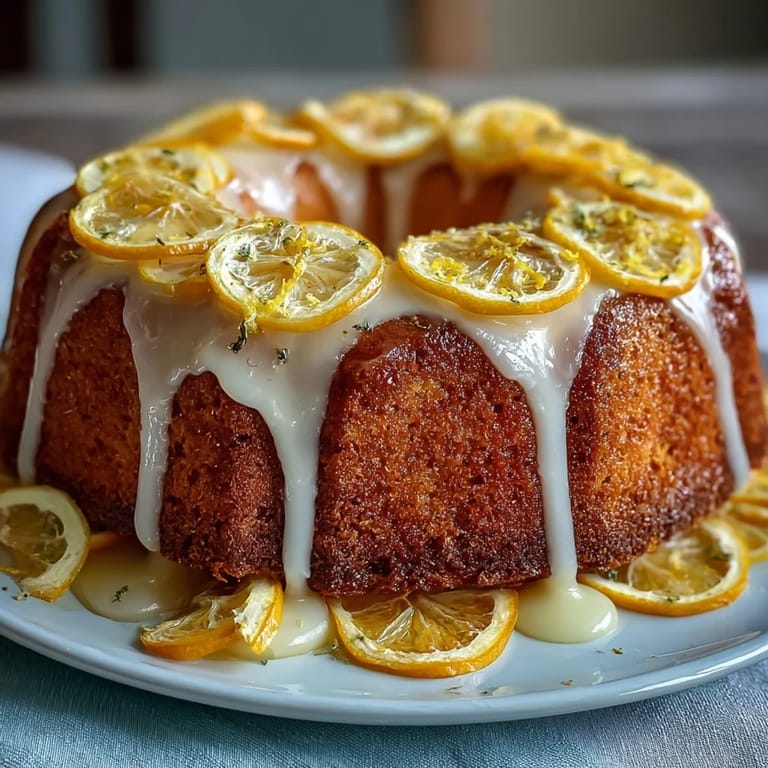
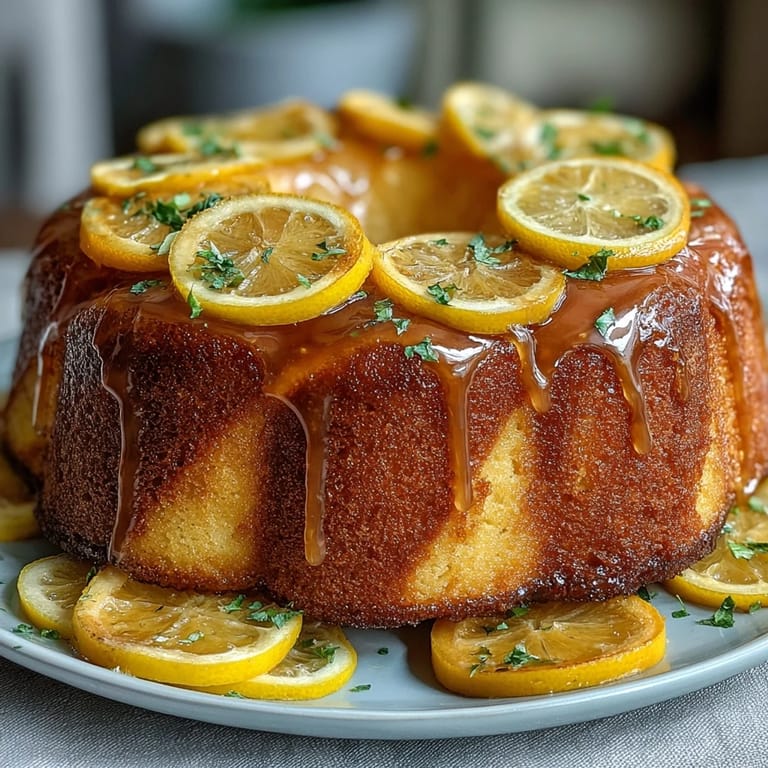
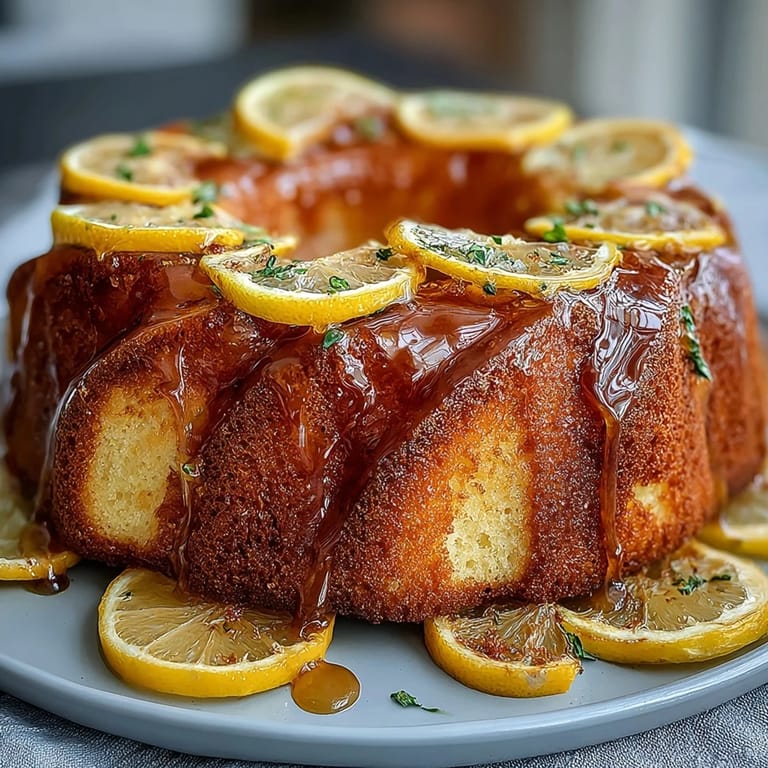
- Once the cake is completely cool, drizzle the glaze over the top and let it set for 10-15 minutes before slicing. The glaze will pool slightly in the Bundt ridges, creating a beautiful presentation.
 Pin it
 Last summer, my six-year-old nephew watched me drizzle the glaze and asked if the cake was getting a 'lemon blanket,' and that image stuck with me—there's something almost nurturing about the way this recipe transforms simple ingredients into something that makes people feel cared for. It's become my go-to when I want to show up somewhere with something that tastes like I know what I'm doing.
The Magic of Limoncello in Baking
Limoncello does something special that regular lemon juice alone can't achieve—it adds brightness without the sourness that too much juice would bring, and it keeps the cake incredibly moist for days. The alcohol bakes off, leaving behind a subtle sophistication that elevates this from a simple lemon cake to something that feels restaurant-quality. Think of it as the ingredient that makes people wonder if you went to pastry school.
Timing and Temperature Matter
I learned the hard way that oven temperature varies wildly between ovens—my first attempt at a friend's house came out slightly underbaked because her oven runs cool. Now I always test doneness starting at 50 minutes rather than trusting the timer blindly, and I use an oven thermometer to catch any temperature surprises. The toothpick test is your friend; it should come out clean or with just a few moist crumbs, never wet batter.
Why This Cake Stays Fresh
The combination of butter, Limoncello, and milk creates a naturally moist cake that doesn't dry out like some pound cakes do after a day or two. Stored in an airtight container, it actually improves slightly as the flavors meld—the second or third day is often better than the first. This makes it perfect for baking ahead or bringing to events without worrying about it arriving dry.
- Wrap cooled cake in plastic wrap and store in an airtight container for up to 4 days at room temperature.
- The Limoncello acts as a natural preservative, keeping the cake fresh longer than you might expect.
- You can freeze the unfrosted cake for up to 3 months; thaw completely and add the glaze when ready to serve.
 Pin it
 This cake has become my answer to almost every spring occasion, and it's taught me that sometimes the best desserts are the ones that feel effortless to serve but taste like you've mastered something elegant. It's the kind of recipe that builds confidence in the kitchen while making the people around your table feel celebrated.
Frequently Asked Questions
- → Can I omit the Limoncello?
Yes, replace it with additional fresh lemon juice for a non-alcoholic version without losing citrus brightness.
- → What pan works best for baking?
A 10-cup Bundt or standard loaf pan is recommended to ensure even baking and a moist interior.
- → How do I know when the cake is done?
Insert a toothpick into the center; it should come out clean or with a few moist crumbs when fully baked.
- → Can I prepare the glaze in advance?
Yes, the lemon glaze can be whisked together ahead but should be poured over the cake after it has cooled completely.
- → What are good garnish ideas?
Thin lemon slices or candied lemon peel add visual appeal and enhance the citrus flavor profile.