 Save
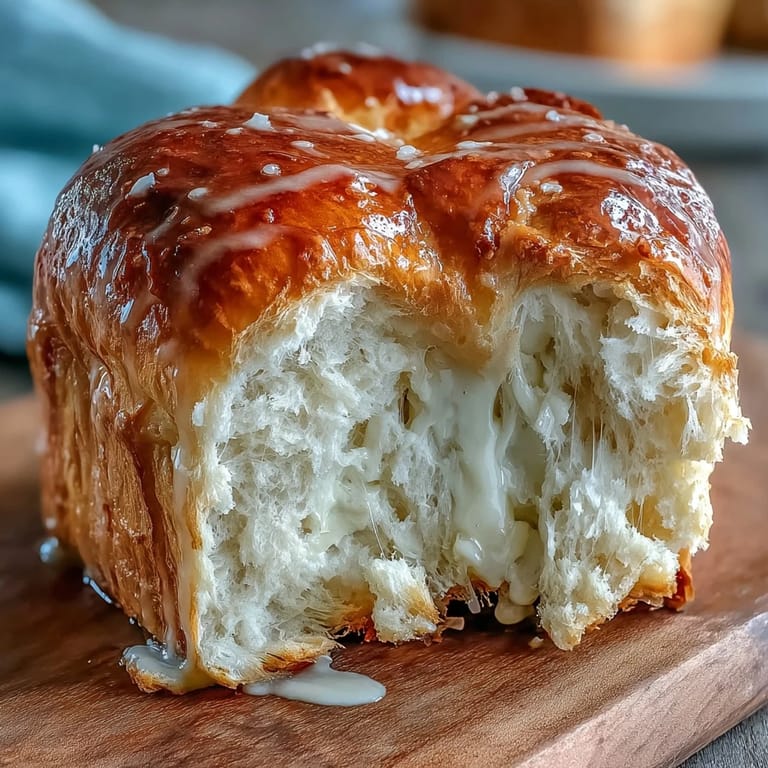
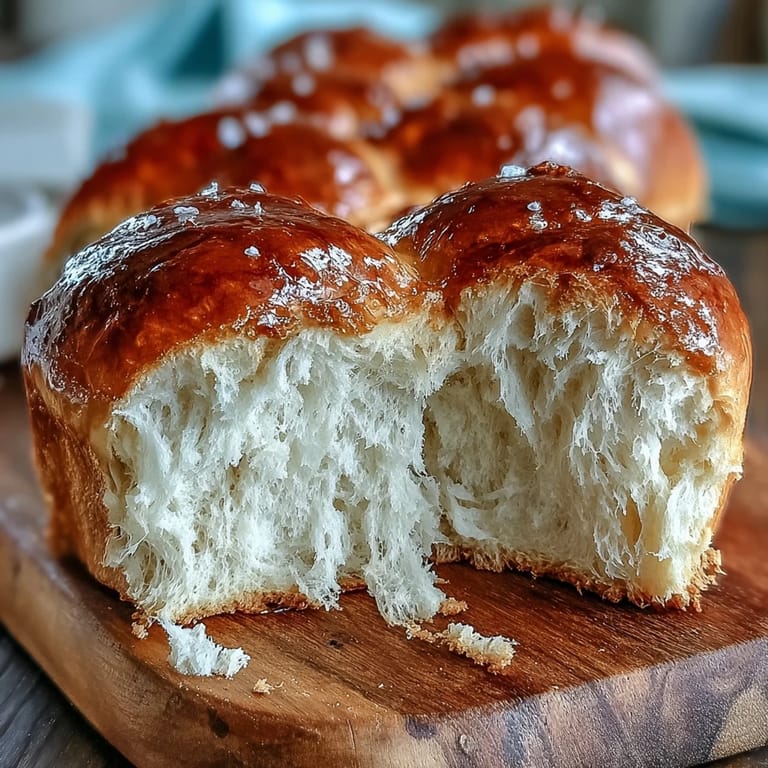
Save On a rainy afternoon, I found myself drawn to the kitchen by the faint memory of cloud-like bread I once sampled at a tucked-away Tokyo bakery. I’d always wondered how they achieved that pillowy tenderness, each slice gently springing back to my touch. My usual loaves, decent as they were, suddenly seemed clunky by comparison. Inspired by the promise of Japanese Milk Bread’s signature fluffiness, I set out with a sense of adventure that’s rare for a midweek bake.
The first time I baked this bread, my friends ended up lingering in my kitchen, lured by the sweet scent wafting from the oven. We cut warm slices before it was even fully cooled, laughing over spilled crumbs and sticky fingers. Watching everyone savor it straight from the rack turned routine baking into a shared, quietly joyful moment.
Ingredients
- Bread flour: This is key to achieving the bread’s lofty structure — if you can, splurge on a high-protein variety for the best texture.
- Whole milk: Adds richness and that signature tender crumb; letting it warm up a bit speeds up the dough’s rise.
- Unsalted butter: Allows the flavors to shine without extra salt, and makes the crumb incredibly silky.
- Sugar: Just a touch brings out subtle sweetness (and helps with the golden crust).
- Instant yeast: My go-to for reliability; it puts the dough on schedule and rises like a champ.
- Egg: At room temperature, it binds everything and gives the bread its characteristic sheen.
- Fine sea salt: Dissolves evenly and seasons the loaf without harshness; skip chunky table salt for this one.
- Milk for brushing: The secret to that beautifully burnished, soft crust.
Tired of Takeout? 🥡
Get 10 meals you can make faster than delivery arrives. Seriously.
One email. No spam. Unsubscribe anytime.
Instructions
- Make the Tangzhong:
- Combine flour, water, and milk in a small saucepan and whisk over medium heat. Stir constantly until it thickens into a glossy, smooth paste, then let it cool to comfortable warmth.
- Mix the dough:
- Gently heap the flour, sugar, salt, and yeast into your bowl, then add the cooled Tangzhong, lukewarm milk, and egg. Mix until you have a craggy dough that is just coming together.
- Knead it smooth:
- Work in the softened butter, then knead (by hand or dough hook) until the dough is pillowy, elastic, and only slightly tacky to the touch — patience pays off here.
- First rise:
- Transfer dough to a greased bowl, cover, and let it puff up in a warm, quiet spot until doubled — watching this transformation never gets old.
- Shape the loaf:
- Punch down the dough, divide into three even pieces, and roll each out before folding and winding into tight logs. Nestle them side by side in a greased loaf pan with the seams tucked underneath.
- Second rise:
- Cover the pan and let the logs rise again until they billow up to near the rim; a gentle press should leave a slight impression.
- Bake to golden perfection:
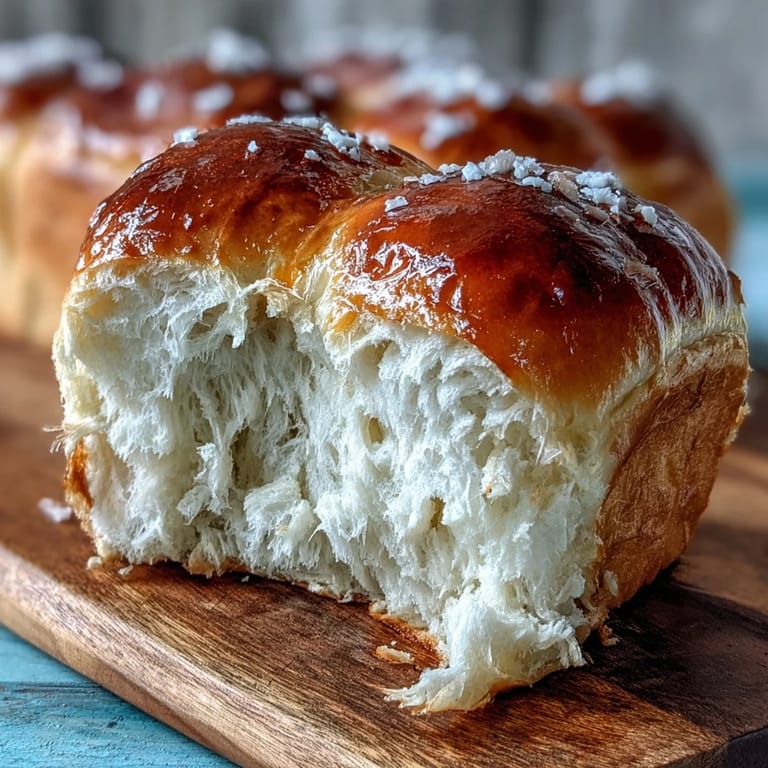
- Brush the loaf with milk for sheen, then bake at 350°F until the top is a deep, shiny gold and the loaf sounds hollow when you tap it.
- Cool and slice:
- Let the bread rest in the pan for 10 minutes before releasing it to a wire rack. Slice only when completely cool if you can resist — your patience will be rewarded with perfect crumb.
 Pin it
 One afternoon, I watched my usually reserved neighbor’s eyes light up as she bit into a slice I’d gifted. She said it felt like a bakery treat, and suddenly this loaf became my go-to peace offering for new acquaintances and old friends alike.
The Magic of Tangzhong
This little cooked flour paste is the reason each slice retains its plush humidity for days. I used to be skeptical, but after trying a side-by-side test, the difference in softness and shelf life was astonishing.
Shaping Secrets I Learned
Rolling up the dough pieces tightly (but not too much) keeps the finished loaf springy without tearing. There’s a sweet spot between overworking and under-rolling, and once you find it, shaping becomes oddly satisfying.
Making It Your Own
Tweaking the recipe is part of the fun: sometimes I mix in a bit of vanilla for a gentle fragrance, or swap some milk for cream when I want extra decadence.
- Try toasting leftover slices for an irresistible breakfast treat.
- Stale bread makes amazing French toast — don’t throw it out.
- Always store it in a container as soon as it cools to keep that pillowy bite.
 Pin it
 Whatever the weather, this bread always softens the mood in our kitchen. I hope it brings the same simple pleasure to yours.
Frequently Asked Questions
- → What is Tangzhong and why use it?
Tangzhong is a cooked mixture of flour and liquid that gelatinizes starches, allowing the dough to retain more moisture. It yields a softer crumb and extends freshness without adding extra fat.
- → Can I use instant yeast and how much?
Yes. Instant yeast works well and can be mixed directly with the dry ingredients. This loaf uses about 2 teaspoons (7 g) of instant yeast for a standard rise schedule.
- → How do I know when the loaf is fully baked?
Bake until the top is golden and the loaf sounds hollow when tapped on the bottom. An internal temperature around 190–200°F (88–93°C) indicates doneness for enriched loaves.
- → How can I keep the crumb soft after baking?
Cool completely, then store the cooled loaf in an airtight container or wrapped tightly in plastic. For extra softness, replace up to 1/4 cup of milk with cream as noted; avoid refrigeration which can speed staling.
- → Any shaping tips for the classic loaf form?
Divide the dough into three equal pieces, roll each into a tight log with seams sealed, and place seam-side down in a greased 9x5-inch pan. Tight rolling and seams down help the loaf rise evenly and create the familiar domed shape.
- → Can I add flavors or mix-ins?
Yes—mild additions like a teaspoon of vanilla, a small amount of citrus zest, or swirled jams are compatible. Keep additions light so they don't weigh down the dough or compromise rise.