 Save
Save Citrus season always has a way of waking up my kitchen, and the first time I baked a blood orange polenta cake it was late afternoon with golden sunlight pooling through the window. The peel of the oranges released a scent that practically commanded me to stop and inhale, almost forgetting the mess of polenta scattered on the counter. As I whipped the butter and sugar, the mixer hummed a steady comfort, and the idea of a gluten-free treat that felt strikingly decadent made me just a little giddy. I didn’t find this cake in a cookbook – it came from a craving for something moist, vibrant, and not too fussy, just begging to wear a pink citrus glaze. The blush of the finished cake felt like a wink on a gloomy day.
One evening, I made this cake for friends during the dead of winter, and the pink-glazed slices turned our whole kitchen table into a citrus celebration. Someone snapped a photo and we all ended up with sticky fingers and grins, pausing conversation just to marvel at how cheerful such a simple loaf could feel.
Ingredients
- Unsalted butter: Room temperature butter blends smoothly and ensures a rich, tender crumb – I always grease the tin generously, just in case.
- Caster sugar: Its fine texture dissolves easily and gives a lighter rise; once I tried granulated sugar, but it left a subtle crunch.
- Eggs: Bring them to room temperature, or the batter risks splitting – a quick dip in warm water if I forget.
- Blood orange zest: The zest gives the batter bursts of perfume; zest before juicing to avoid wrestling slippery peels.
- Fine polenta (cornmeal): Choose a soft, fine grind for a silkier texture – coarser meal makes the cake too dense.
- Ground almonds: This makes the crumb plush and moist; I sometimes toast them lightly for extra flavor.
- Gluten-free baking powder: Adds safe, necessary lift for those avoiding gluten; double-check it’s gluten free.
- Pinch of salt: It balances the sweetness and sharpens the citrus notes – don’t skip it.
- Blood orange juice: Freshly squeezed is essential for the boldest flavor and the blush-pink glaze.
- Vanilla extract: A dash brings warmth and rounds out the tart, nutty notes of the cake.
- Powdered sugar: Used in the glaze, sifted first to avoid lumps.
- Blood orange juice (for glaze): The juice tints the glaze a festive pink; strain it for a smooth finish.
- Blood orange slices & edible flowers (optional): These fancy up the top, though sometimes I lean on just slices for a pop of color.
Tired of Takeout? 🥡
Get 10 meals you can make faster than delivery arrives. Seriously.
One email. No spam. Unsubscribe anytime.
Instructions
- Get ready:
- Preheat your oven to 170°C (340°F), then grease a 20 cm (8-inch) round cake tin and line the bottom with parchment – the crinkly sound of the paper always signals baking is about to happen.
- Cream & beat:
- With an electric mixer or hand whisk, cream the softened butter and caster sugar together until pale and fluffy; don’t rush – it’s the key to lightness.
- Eggs in:
- Add the eggs, one at a time, fully incorporating each before the next; if it goes lumpy, persist – it’ll come together in the next step.
- Citrus & vanilla:
- Stir in the blood orange zest and vanilla extract, letting the aroma bloom in the bowl.
- Mix dry:
- In another bowl, combine the polenta, ground almonds, gluten-free baking powder, and a pinch of salt, using your hands if you like the feel of almond meal between your fingers.
- Combine:
- Fold the dry mixture gently into the creamed batter just until incorporated – it may look a bit grainy, that’s perfect.
- Juice it up:
- Add the blood orange juice and stir until smooth but don’t overmix, or the cake can get a bit tough.
- Bake:
- Scrape the batter into the prepared tin and smooth the top with a spatula; bake for 40–45 minutes until golden and a skewer comes out clean.
- Cool down:
- Let the cake rest in its tin for 10 minutes, then turn it onto a wire rack and allow it to cool completely, listening for that gentle crack as it settles.
- Make the glaze:
- Sift the powdered sugar into a bowl and gradually stir in blood orange juice until you reach a thick yet pourable, rosy pink consistency.
- Decorate:
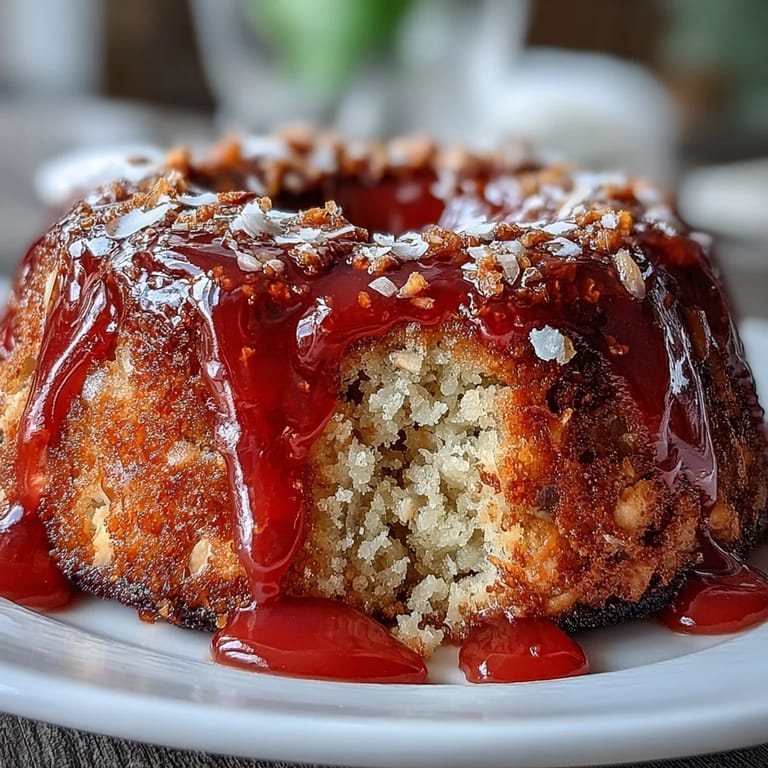
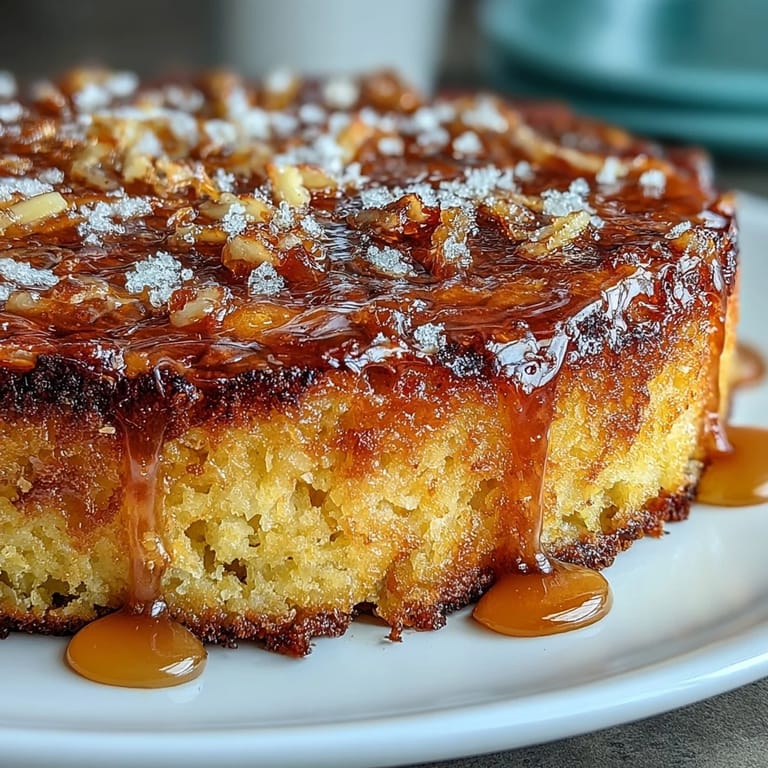
- Once the cake is cool, drizzle over the glaze so it cascades down the sides; decorate with blood orange slices and edible flowers if you’re feeling fancy.
 Pin it
 Sharing the cake after dinner, someone always ends up asking for the recipe, and I love how each slice makes the table feel a little brighter – more celebration, less routine.
Choosing Your Oranges
Not all blood oranges are equally vivid inside – I learned that the darkest ones give the boldest glaze, but any fresh blood orange will deliver that floral-citrus punch. Regular oranges work in a pinch, though the color won’t be quite so striking.
Mastering the Texture
Paying attention to the polenta grind is essential: too coarse and the cake turns out grainy, while a fine grind blends seamlessly and keeps each bite moist. Overmixing is tempting but always makes the crumb denser – I set a timer so I don’t get carried away.
Finishing Touches and Serving Magic
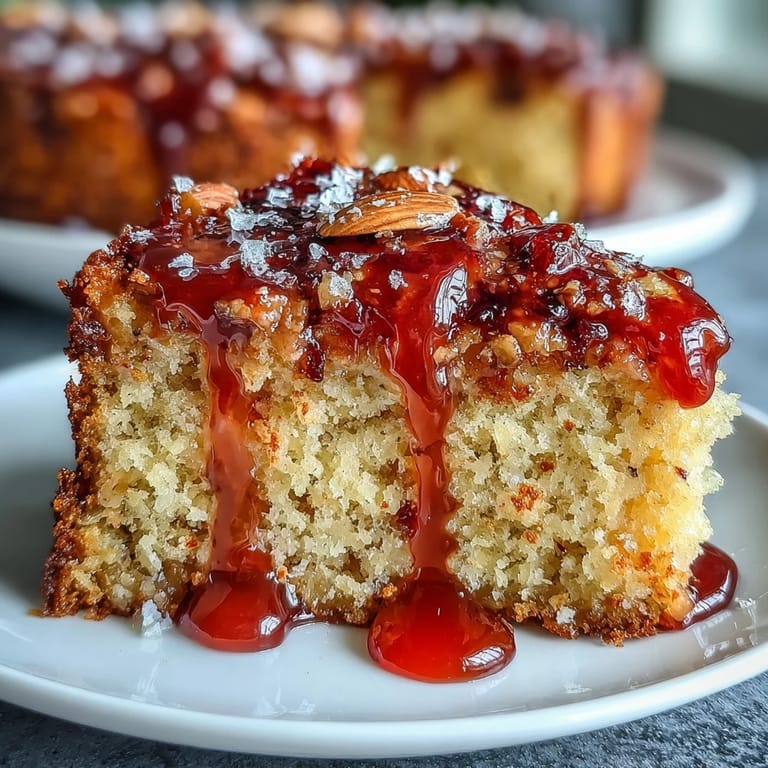
The glaze sets quickly so work fast once you start pouring, and don’t be afraid of a little dripping down the sides. I’ve also found a dollop of crème fraîche or Greek yogurt balances the cake’s zingy sweetness wonderfully.
- Sift the powdered sugar to avoid stubborn lumps in your glaze.
- Let the cake cool fully before glazing, or you’ll end up with a runny mess.
- The cake stays delicious and moist for two or three days, making it great for making ahead.
 Pin it
 Whatever the weather or time of day, this blood orange polenta cake is my shortcut to something bright and joyful – I hope it brings as much cheer to your kitchen as it does to mine.
Frequently Asked Questions
- → Can I use regular oranges instead of blood oranges?
Yes. Regular oranges provide the same acidity and citrus flavour, though the glaze will lack the distinctive pink hue. Adjust juice quantity to taste.
- → What type of polenta works best?
Use fine polenta (cornmeal) for a tender crumb. Coarser grinds create a more rustic texture but may yield a drier bite.
- → How can I make the cake extra moist?
Brush the warm cake with additional blood orange juice before glazing and avoid overbaking. Folding gently keeps the crumb tender.
- → Any suggestions for nut-free substitutions?
For a nut-free version, replace ground almonds with an equal weight of extra fine polenta or a gluten-free oat flour blend, and check allergen labels on other ingredients.
- → How should I store leftovers?
Keep the cake covered at room temperature for 2 days, or refrigerate in an airtight container for up to 4 days. Bring to room temperature before serving for best texture.
- → How do I test for doneness?
Insert a skewer into the center; it should come out clean or with a few moist crumbs. The top should be golden and spring back slightly when pressed.