 Save
Save The tantalizing aroma of beef and vegetable soup simmering on the stove always transports me back to my grandfather's farmhouse kitchen. Standing on a wooden stool beside him, I'd watch as he transformed simple ingredients into something magical that would bubble away all afternoon. The windows would fog up as winter raged outside, creating this perfect cocoon of warmth and comfort that I've tried to recreate in my own home ever since. This recipe has evolved over years of tweaking, but that core feeling of security and nourishment remains unchanged.
Last winter during that brutal cold snap when temperatures dropped below freezing for weeks, I made this soup for my neighbor who had just returned from the hospital. Her husband later told me she had her first real smile in days while eating it, cradling the warm bowl between her hands like it contained something far more precious than just soup. Sometimes the simplest foods carry the most powerful medicine, especially when made with intention.
Ingredients
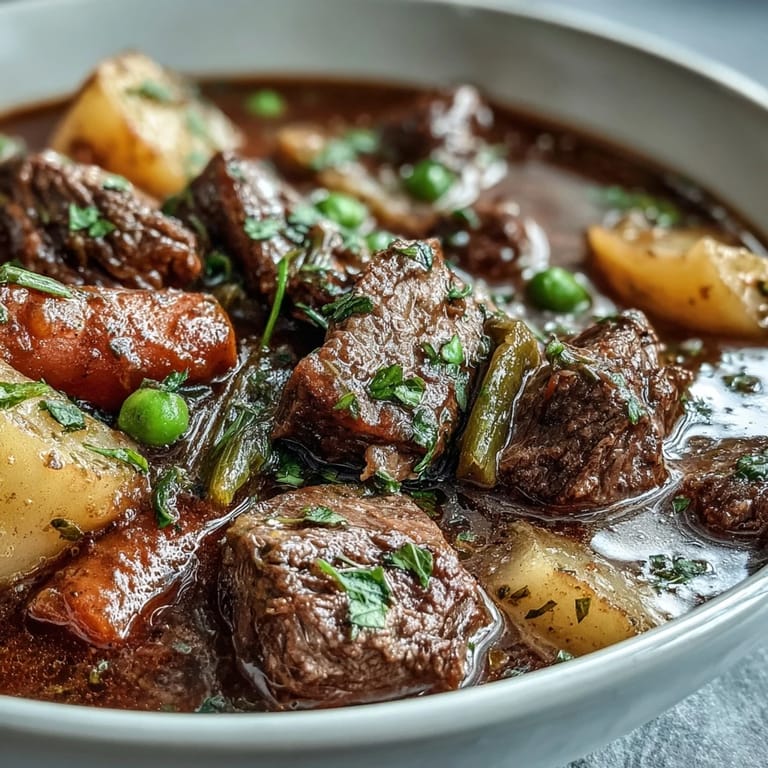
- Beef chuck: Look for meat with good marbling as those little streaks of fat will slowly melt and create incredible richness throughout the broth.
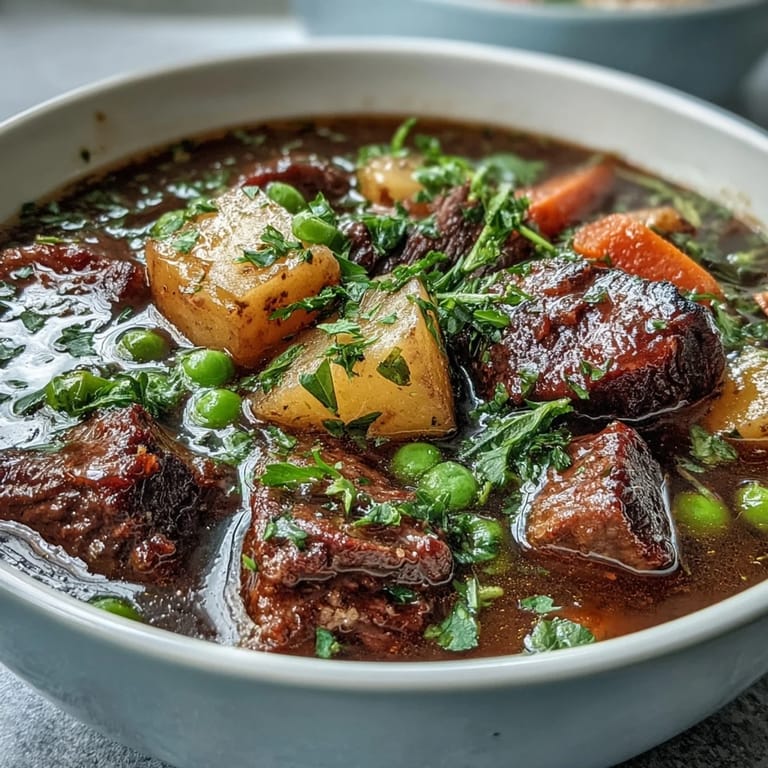
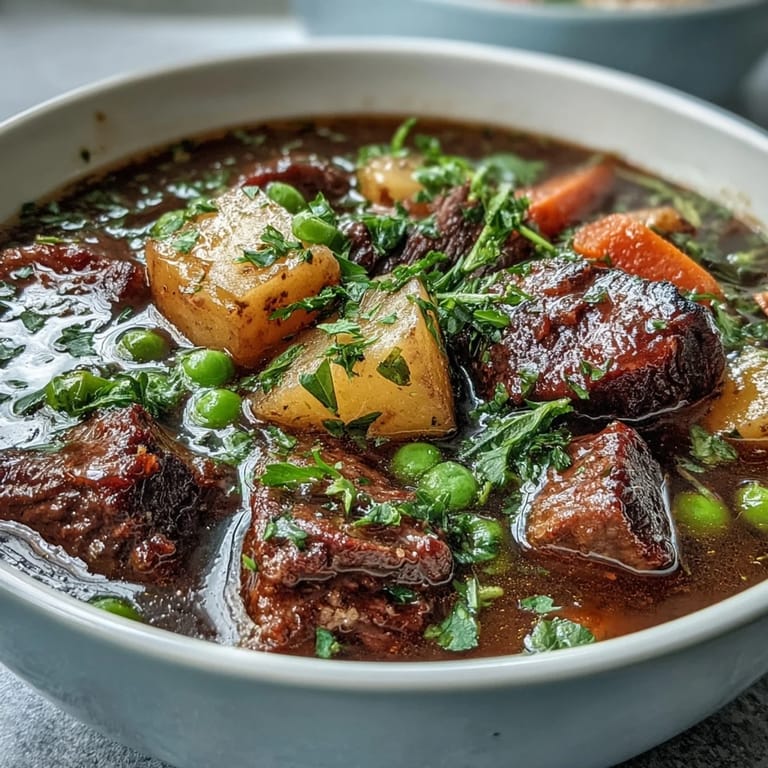
- Root vegetables: I like using a combination of carrots, potatoes and parsnip because they absorb the broth's flavor while adding their own sweetness to the background notes.
- Fresh and frozen vegetables: The green beans add texture while frozen peas provide a burst of color and sweetness that brightens the whole pot.
- Herbs: The bay leaves and dried herbs might seem subtle, but they create the backbone of flavor that distinguishes a good soup from an exceptional one.
Tired of Takeout? 🥡
Get 10 meals you can make faster than delivery arrives. Seriously.
One email. No spam. Unsubscribe anytime.
Instructions
- Brown the beef properly:
- Heat olive oil until it shimmers, then add beef in a single layer without overcrowding the pot. Listen for that satisfying sizzle and resist the urge to stir too soon - patience here creates flavor.
- Build your aromatic base:
- The holy trinity of onion, carrots, and celery should cook until they begin releasing their sweetness, about 5 minutes. You'll notice the kitchen filling with that comforting vegetable fragrance.
- Layer in your flavors:
- When returning the beef, add your potatoes and other hearty vegetables before the liquid so they get coated in all those pan drippings. This step makes a noticeable difference in the final depth of flavor.
- The long simmer:
- Once everything's in the pot, that slow simmer is where the magic happens. Your home will fill with an aroma that makes waiting difficult but so worthwhile.
- Finish with brightness:
- Adding the peas toward the end preserves their vibrant color and fresh flavor. Their slight sweetness balances the savory depth of the long-simmered ingredients.
 Pin it
  Pin it
 My daughter called from college last month asking specifically how to make this soup for her roommates. They were studying for finals, and she wanted to recreate that feeling of home during a stressful time. Hearing her describe how everyone kept wandering into their tiny apartment kitchen asking what smelled so good made me realize how much more than nutrition this recipe provides. It's become one of those invisible threads that connect us across distance and time.
Adapting for Seasons
Though traditionally a winter comfort, I've found ways to lighten this soup for warmer months by switching out root vegetables for what's fresh at the farmers market. Spring versions with tender young carrots and fresh peas straight from the pod take on an almost delicate quality, while late summer variations with corn and zucchini celebrate the harvest bounty. The beef remains constant through the seasons, providing that reliable foundation while the vegetables reflect the changing world outside.
Make-Ahead Magic
There's something almost alchemical that happens when this soup rests overnight in the refrigerator. The flavors marry and deepen in a way that transforms it completely. I've started intentionally making this a day before I plan to serve it, though the temptation to sneak a bowl fresh off the stove remains nearly irresistible. That patience rewards you with a complexity that can't be rushed, much like many of life's best experiences.
Serving Suggestions
This soup deserves companions that honor its heartiness without competing for attention. A simple loaf of crusty bread with good salted butter lets the soup remain the star while providing the perfect tool for ensuring not a drop of broth remains in the bowl.
- For casual gatherings, serve in wide, shallow bowls that allow the steam to release its aromatics right under the nose as people eat.
- A small side of pickled vegetables offers a bright counterpoint to the rich, savory flavors in the soup.
- If serving for guests, have fresh parsley and cracked black pepper available at the table for everyone to customize their bowls.
 Pin it
  Pin it
 This beef and vegetable soup has seen me through countless winter storms, family gatherings, and quiet Sunday afternoons. I hope it brings the same warmth and satisfaction to your table that it has to mine through the years.
Frequently Asked Questions
- → What cut of beef works best?
Beef chuck is ideal because it becomes tender during long simmering. Look for well-marbled pieces that will break down nicely in the broth.
- → Can I make this ahead?
Absolutely. This soup tastes even better the next day as flavors continue to develop. Store refrigerated for up to 4 days.
- → What vegetables can I substitute?
Try turnips, rutabaga, or sweet potatoes instead of regular potatoes. Add other hearty vegetables like kale or Swiss chard during the last 10 minutes.
- → How do I store leftovers?
Cool completely and refrigerate in airtight containers. The broth may thicken—simply add a splash of water or broth when reheating.
- → Can I freeze this?
Yes, freeze for up to 3 months. Leave slightly headspace in containers as liquids expand when frozen. Thaw overnight in the refrigerator.