 Save
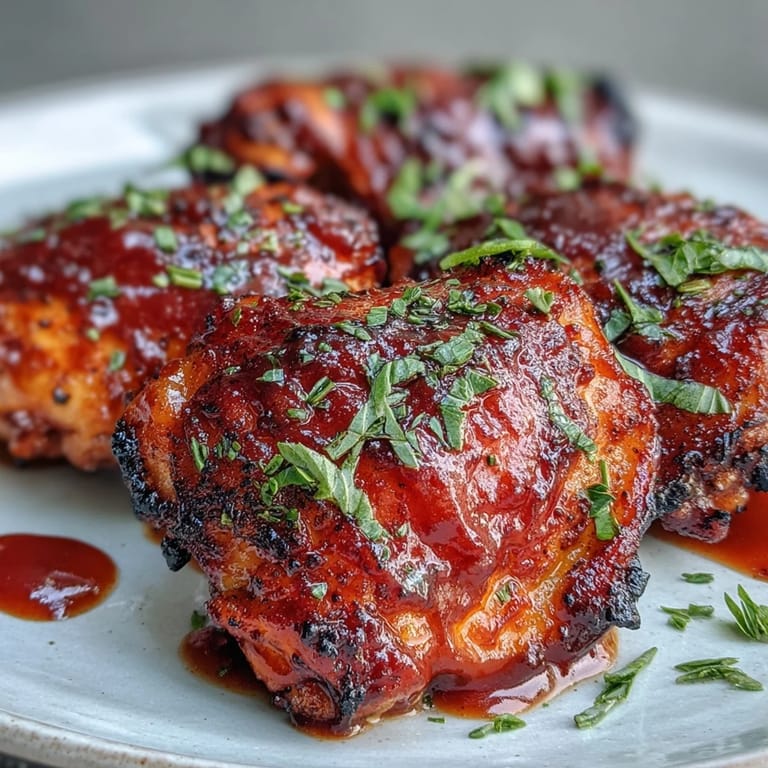
Save My neighbor Marcus showed up one summer evening with a bag of fresh guavas from his tree, insisting I do something interesting with them. I stood in my kitchen staring at these pink-fleshed fruits, completely stumped, until it hit me: why not blur the line between tropical and barbecue? That first batch of guava BBQ sauce was pure accident and pure magic rolled into one, and now this sticky-glazed chicken is the dish people request by name.
I made this for a backyard gathering last July when the heat was unbearable and nobody wanted to spend hours cooking. Watching people's faces light up when they tasted that first bite—confusion, then delight as the tropical sweetness hit them—reminded me why I love feeding people unexpected flavors.
Ingredients
- Guava paste: This is the star player, transforming ordinary barbecue into something with real character; if you can't find it at your regular store, check the international aisle or a Latin market.
- Ketchup: Brings familiar depth and helps the sauce cling to the chicken beautifully.
- Apple cider vinegar: The acidity cuts through richness and keeps the sauce from becoming one-note sweet.
- Brown sugar: Adds subtle molasses notes and helps create that sticky caramelization.
- Worcestershire sauce: A savory backbone that makes people taste umami even if they can't name it; grab the gluten-free version if that matters for your table.
- Dijon mustard: Sharpens everything and adds a touch of sophistication without being obvious about it.
- Garlic, smoked paprika, cayenne: These build layers so the sauce doesn't taste flat or one-dimensional.
- Bone-in, skin-on chicken thighs: Dark meat stays forgiving and moist where breasts dry out; the skin gets crispy and golden under that glaze.
- Olive oil: Creates a base for seasoning to stick and helps skin render properly.
Tired of Takeout? 🥡
Get 10 meals you can make faster than delivery arrives. Seriously.
One email. No spam. Unsubscribe anytime.
Instructions
- Heat your oven and prepare:
- Get that oven to 400°F and line your baking sheet with foil or parchment so cleanup becomes almost effortless later.
- Build the sauce:
- Combine all your sauce ingredients in a saucepan over medium heat and watch as the guava paste slowly softens and melts into the ketchup and vinegar. Stir occasionally for five to seven minutes until the texture shifts from chunky to silky and the flavors deepen slightly.
- Prepare the chicken:
- Pat those thighs completely dry—this is the secret to skin that actually crisps instead of steams—then rub them generously with olive oil, salt, pepper, and garlic powder, making sure to get under any loose skin.
- Start roasting:
- Arrange chicken skin-side up on your prepared sheet and let it roast untouched for a full 25 minutes until the skin begins to turn golden and the fat renders out.
- Glaze and finish:
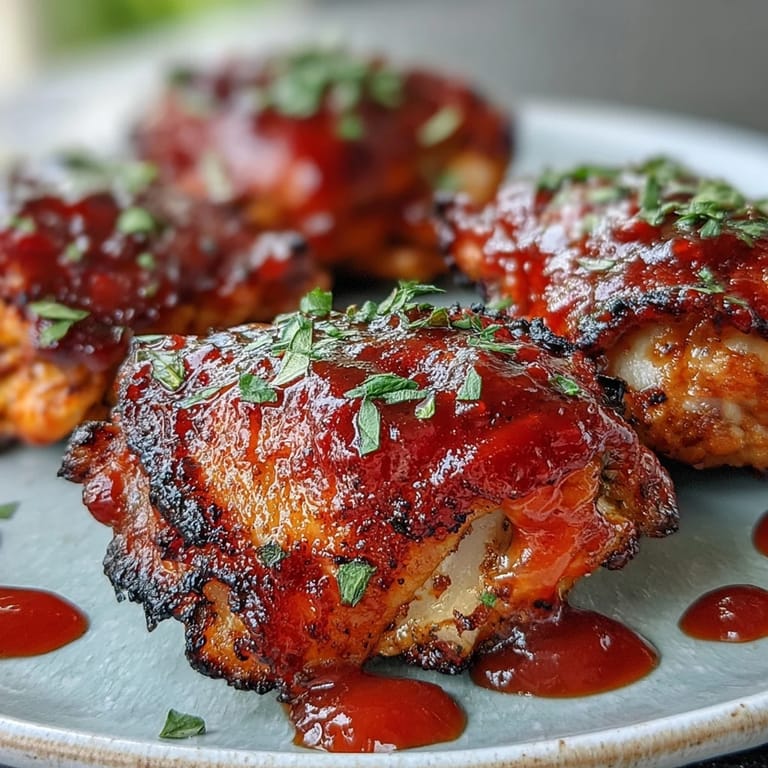
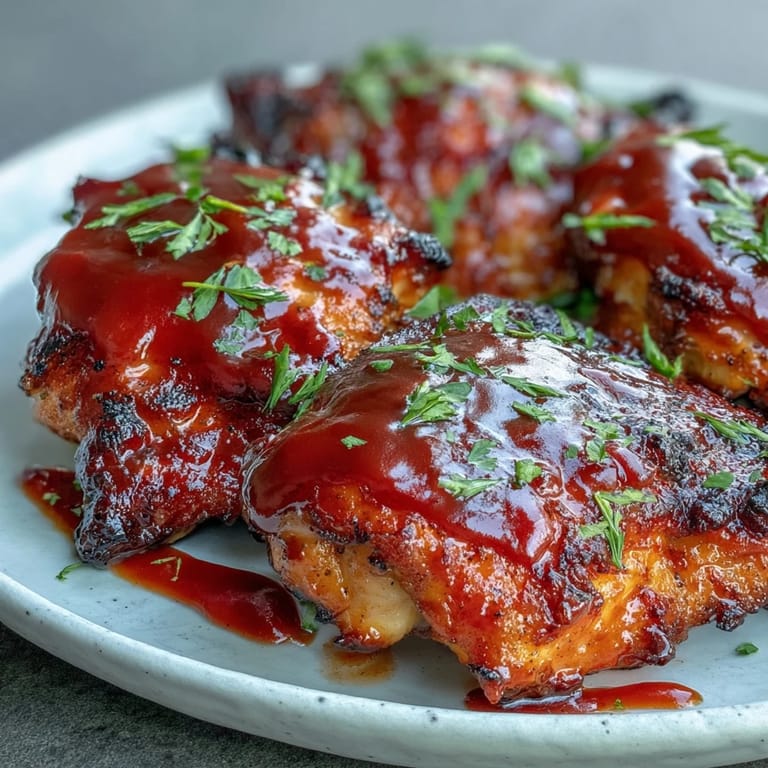
- Brush chicken generously with that glorious guava sauce, return it to the oven, and roast for another 20 to 25 minutes, brushing once more halfway through. The chicken is done when it hits 165°F internally and the glaze has turned glossy and caramelized at the edges.
- Rest and serve:
- Let the chicken sit for five minutes before plating so the juices redistribute throughout the meat, then serve with extra sauce on the side for dipping.
 Pin it
 There's a moment during that final five-minute rest when the whole kitchen smells like caramelized guava and smoke, and you realize you've created something that tastes like it took effort even though it really didn't. That's when this dish stops being dinner and becomes a memory.
The Magic of Guava in Savory Cooking
Guava is one of those fruits that most people only associate with juice or jam, but its tartness and slight floral note work beautifully with savory elements. The paste version is concentrated enough that it actually stands up to heat without disappearing into the background like fresh fruit would, and it brings a complexity that regular barbecue sauce simply cannot achieve. I've started using guava paste in marinades for pork and even stirring it into glazes for roasted vegetables because once you realize what it can do, there's no going back.
Why Bone-In Thighs Win Every Time
Chicken thighs are forgiving in ways that breasts will never be, and the bone and skin aren't obstacles—they're your insurance policy against dryness. The bone conducts heat more evenly and the skin, when treated right, becomes crispy and rendered. Plus, dark meat has enough fat that even if you slightly overcook it, nobody at the table will know because it'll still taste juicy and rich. I learned this lesson the hard way with years of sad, stringy chicken breasts before finally accepting that thighs are the answer to almost every roasted chicken question.
Making This Your Own
The beauty of this recipe is that it's flexible enough to shift depending on what's in your kitchen or what you're in the mood for. I've made it with guava jelly instead of paste (just reduce the brown sugar by about a tablespoon so it doesn't get cloying), and I've added a splash of rum to the sauce once just to see what would happen—it was spectacular. Some nights I serve this with grilled pineapple rings to lean into the tropical vibe, other times with plain rice to let the sauce be the star.
- If you like heat, don't be shy with the cayenne pepper; a quarter teaspoon is barely noticeable, so go to half if you like your food with some backbone.
- The sauce keeps beautifully in the fridge for up to a week, so make a double batch and use it on everything from grilled pork to roasted vegetables.
- For an extra layer of char and caramelization, hit the glazed chicken under the broiler for two or three minutes right before serving, watching closely so it doesn't blacken.
 Pin it
 This guava BBQ chicken has somehow become the dish I make when I want to impress without stress, and it never fails to spark conversation at the table. Keep this one close.
Frequently Asked Questions
- → What makes guava BBQ sauce unique?
Guava paste adds natural tropical sweetness and a distinct fruity flavor that sets this sauce apart from traditional tomato-based BBQ sauces. The guava creates a thick, glossy glaze that caramelizes beautifully while offering a complex sweet-tangy profile.
- → Can I use boneless chicken instead?
Yes, boneless chicken thighs or breasts work well. Reduce cooking time to 15-20 minutes initially, then add another 10-15 minutes after glazing. Watch closely to prevent drying since boneless cooks faster than bone-in cuts.
- → What can I substitute for guava paste?
Guava jelly or membrillo make excellent substitutes. If using jelly, reduce the brown sugar slightly as jelly tends to be sweeter than paste. Mango or apricot preserves can also work in a pinch, though the flavor profile will change.
- → How spicy is this glazed chicken?
The cayenne pepper provides mild heat that balances the sweetness. You can adjust the spice level by reducing or omitting the cayenne for a milder dish, or adding more for those who enjoy extra kick in their glaze.
- → Can I make the sauce ahead of time?
Absolutely. Prepare the guava BBQ sauce up to a week in advance and store it in an airtight container in the refrigerator. Reheat gently before brushing onto the chicken, adding a splash of water if it has thickened too much.
- → What sides pair well with this chicken?
Grilled pineapple complements the tropical flavors perfectly. Coconut rice, roasted sweet potatoes, or grilled corn also make excellent accompaniments. For lighter options, serve with a crisp green salad or steamed vegetables.