 Save
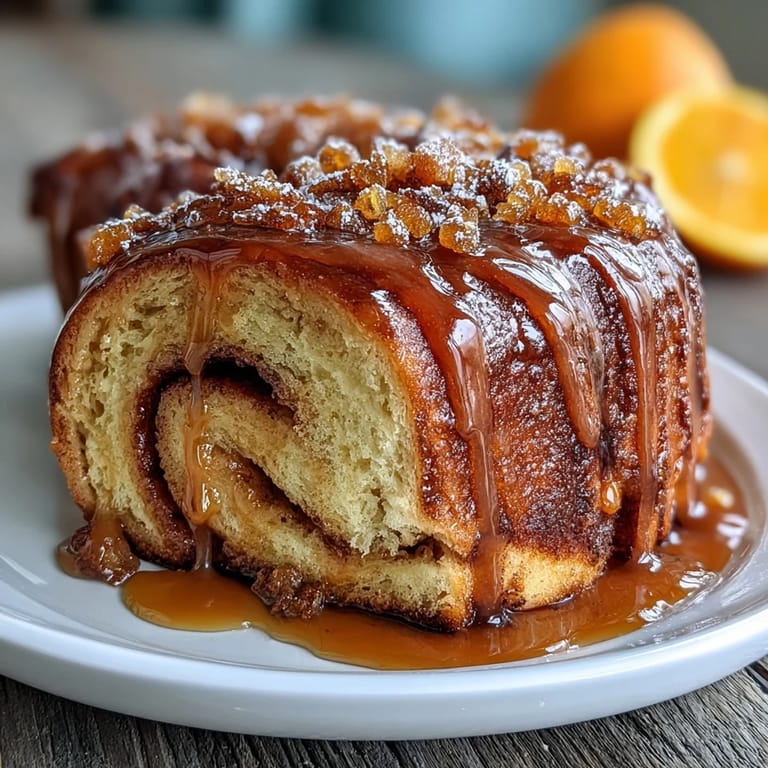
Save My neighbor showed up at my door one Saturday morning with a box of these rolls, still warm from her oven, and the smell of fresh orange hit me before she even said hello. I bit into one and immediately understood why she'd been raving about them all week—that tender crumb, the bright citrus note woven through every layer, the glaze catching the light. She told me the best part was preparing them the night before, which meant she could actually enjoy her morning instead of being buried in flour by 6 AM. I had to know how to make them, and now they're my go-to when I want breakfast to feel a little bit special.
Last winter I made a double batch because my sister was visiting, and I set them to rise overnight in the fridge. When I woke up, I almost didn't recognize my own kitchen—the whole place had transformed into this warm, fragrant space that made everyone stumble downstairs before they even realized what was happening. My brother-in-law ate three rolls before coffee. We sat around the table longer than we usually do, not in a hurry, just lingering over something good that had required almost no morning effort on my part.
Ingredients
- All-purpose flour (3 1/2 cups): This is your foundation, and measuring by weight matters more than you'd think—it keeps the dough from becoming dense or tough.
- Instant dry yeast (2 1/4 tsp): Check the expiration date because dead yeast will leave you with a flat, sad situation; store it in the fridge if you bake often.
- Whole milk, lukewarm (3/4 cup): Warm but not hot—if it's steaming, let it cool for a minute because yeast hates extreme heat.
- Unsalted butter (1/4 cup melted, plus 1/4 cup softened): Keep the cold butter slightly soft so it spreads easily without tearing the dough underneath.
- Large eggs, room temperature (2): Cold eggs won't incorporate smoothly, so take them out of the fridge 10 minutes before you start.
- Fresh orange zest (from 3 oranges total): Use a microplane and zest only the colored part—the white pith underneath tastes bitter and will ruin the delicate balance.
- Granulated sugar (1/2 cup for filling, 1/4 cup for dough): The sugar in the dough feeds the yeast and helps it rise; the filling sugar caramelizes slightly when baked.
- Salt (1/2 tsp): This is small but crucial—it controls fermentation and brings out the orange flavor instead of letting it feel one-dimensional.
- Powdered sugar (1 cup) and fresh orange juice (2-3 tbsp): The glaze should drip slightly but not run off—adjust juice amounts gradually until you hit that sweet spot.
Tired of Takeout? 🥡
Get 10 meals you can make faster than delivery arrives. Seriously.
One email. No spam. Unsubscribe anytime.
Instructions
- Mix your dry base:
- Whisk flour, sugar, yeast, and salt together in a large bowl—this distributes the yeast evenly so your dough rises consistently. It only takes a minute but it makes a real difference.
- Combine the wet ingredients:
- In another bowl, warm milk should feel comfortable to the touch, almost like bathwater. Whisk in melted butter, room-temperature eggs, and that fresh orange zest until everything is incorporated.
- Bring it together:
- Pour wet into dry and mix until a shaggy, sticky dough forms—don't worry if it looks rough at this stage. You're just getting everything to know each other.
- Knead until smooth:
- Whether you're using your hands or a stand mixer with the dough hook, knead for 7-8 minutes until the dough becomes smooth, elastic, and slightly tacky but not sticky. You'll feel the transformation—it goes from rough to almost silky.
- First rise:
- Place dough in a greased bowl, cover with plastic wrap, and let it sit in a warm spot for 1-2 hours. A warm kitchen corner, an oven with the light on, or even near a sunny window works perfectly.
- Roll and fill:
- Punch down the dough with more enthusiasm than necessary—it's satisfying—then roll it into a 10x16-inch rectangle on a lightly floured surface. Spread softened butter evenly, sprinkle sugar and orange zest, being generous with that zest.
- Roll and cut:
- Starting from the longer edge, roll the dough tightly into a log, then cut it into 12 even pieces using a sharp knife or even dental floss (pull it through like a wire). Uneven pieces bake unevenly, so take a moment here.
- Arrange in the pan:
- Place rolls in a greased 9x13-inch baking dish, cover tightly with plastic wrap, and refrigerate overnight. This is where the magic happens—the rolls get their final rise in the cold, which develops flavor and makes them incredibly tender.
- Morning prep:
- Remove rolls from the fridge and let them sit at room temperature for 45-60 minutes until puffy and almost doubled. This is your window to shower, make coffee, ease into the day.
- Bake:
- Preheat oven to 350°F while rolls are proofing, then bake for 22-25 minutes until golden brown on top. The smell will be overwhelming in the best possible way.
- Glaze while warm:
- Whisk powdered sugar, fresh orange juice, and zest until smooth and pourable, then drizzle over warm rolls. The warmth helps the glaze set slightly while staying luscious.
 Pin it
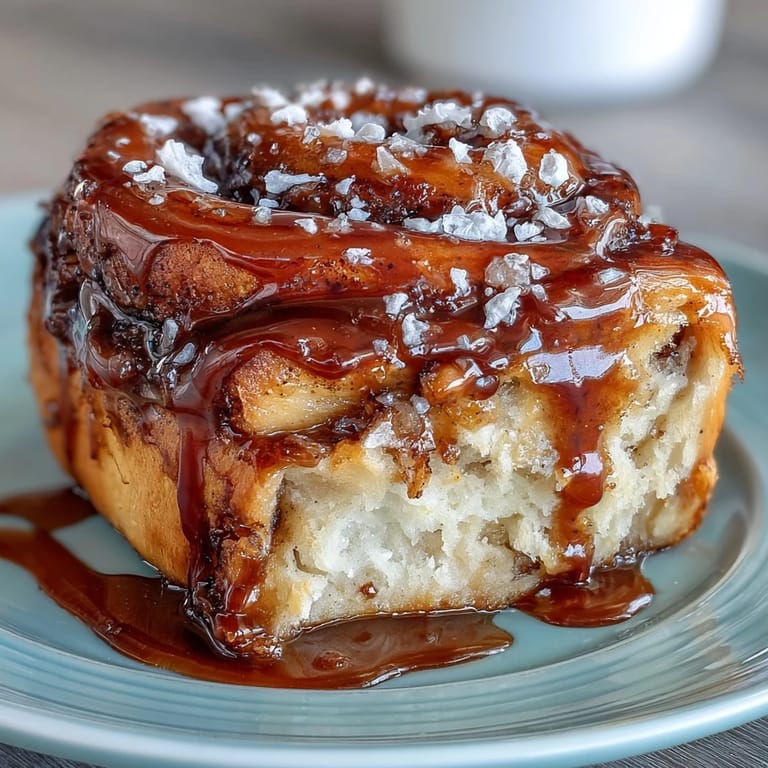
 There's something about biting into a warm roll and having that bright orange flavor bloom across your tongue that makes you forget about everything else for a second. These rolls have a way of turning an ordinary morning into something people actually look forward to.
The Overnight Rising Game-Changer
The cold overnight rise is the secret weapon here, and once I understood why it works, I started applying it to other dough recipes. Cold fermentation develops flavor slowly and creates a more tender crumb because the gluten relaxes gradually instead of all at once. The yeast is still active in the fridge, just moving at a leisurely pace, which gives the dough time to develop complexity that a quick room-temperature rise can't match. This is why these rolls taste so much better than ones that rise for two hours on the counter.
Orange Zest Tips That Changed Everything
I learned the hard way that a box grater and a microplane are not interchangeable when it comes to orange zest. The microplane gives you delicate shreds that distribute evenly and dissolve into the dough, while a box grater creates larger pieces that can feel stringy and sometimes bitter. The other thing I figured out was that you have to zest the orange before you cut into it—once you've squeezed juice, the oils start to dry out and the zest becomes less aromatic. Now I zest first, juice second, and the flavor difference is noticeable in every batch.
Troubleshooting and Small Moments
I once forgot to bring my eggs to room temperature and the dough came together unevenly, with cold pockets that didn't incorporate properly. That batch was okay but noticeably less tender than usual, so now I'm obsessive about it. Another time I used old yeast and got almost no rise, which taught me to write the date on the packet with a permanent marker. Small details like these seem minor until they aren't, and this recipe rewards attention without demanding anything difficult in return.
- If your dough seems too sticky after kneading, resist the urge to add more flour—sticky dough makes softer rolls, so trust the process.
- The morning proof time of 45-60 minutes is a guideline, not a law; if your kitchen is cool, they might need 75 minutes, and that's completely fine.
- Save the zest from one orange separately and use it only for the glaze—it'll look beautiful and the flavor will be fresher than if it's been sitting in the dough all night.
 Pin it
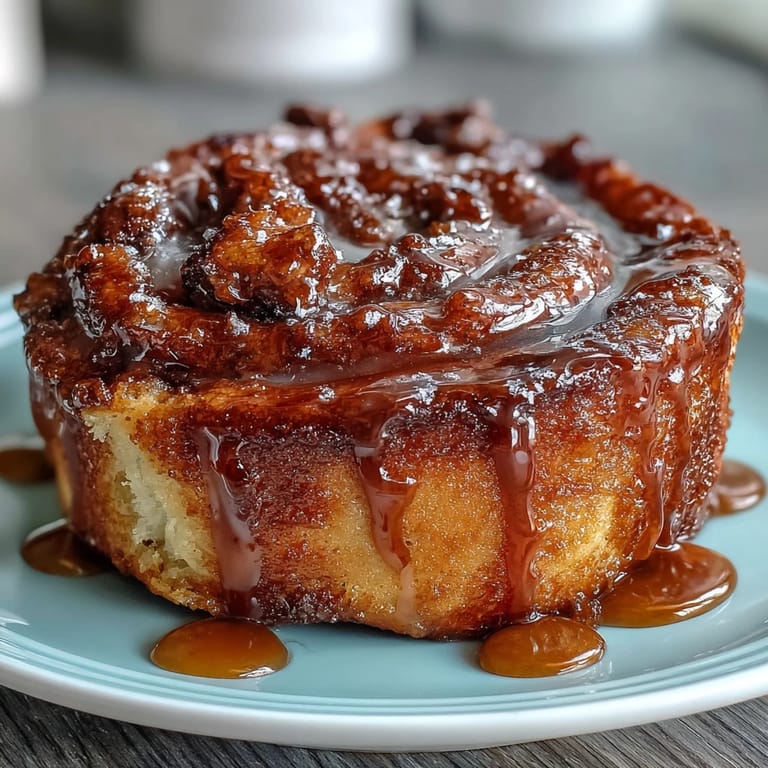
 These rolls have become my answer to the question of how to make breakfast feel effortless and impressive at the same time. Once you've made them once, you'll understand why my neighbor showed up at my door with a box.
Frequently Asked Questions
- → Can I substitute orange juice for milk in the dough?
Yes, substituting half the milk with fresh orange juice adds brightness and moistness without affecting texture too much.
- → How long should I let the dough rise overnight?
Refrigerate the rolled and filled dough covered tightly for about 8 hours to allow a slow, even rise that develops flavor.
- → What’s the best way to cut the rolls evenly?
Use a sharp knife or dental floss to slice the rolled dough into 12 equal pieces for uniform baking.
- → Can I add spices to enhance the flavor?
A pinch of cardamom in the filling complements the orange zest well and adds a subtle aromatic note.
- → How should I store leftover rolls?
Keep any leftovers in an airtight container at room temperature for up to 2 days or freeze for longer storage.
- → What is the best way to reheat these rolls?
Warm gently in the oven at low temperature or microwave briefly to restore softness and bring out the glaze’s flavor.