 Save
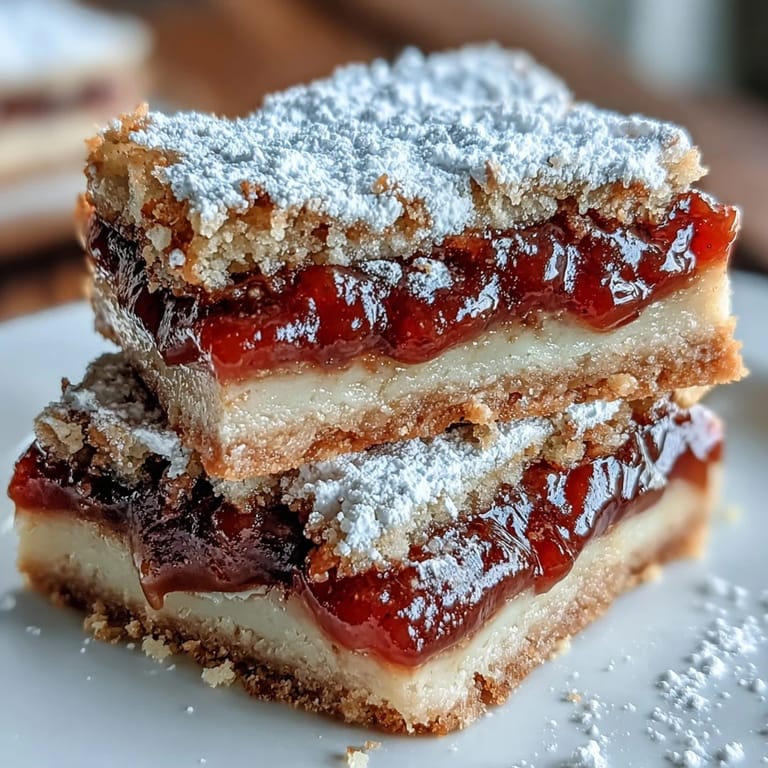
Save A friend handed me a tin of loose Earl Grey at a farmers market, insisting I had to do something interesting with it beyond the teapot. That same week, I'd been craving something bright and citrusy, and guava paste was sitting in my pantry from a late-night grocery run. The three came together almost by accident—layered bars that taste like an elegant afternoon tea you could actually eat, with floral notes playing against tropical sweetness and the sharpness of fresh lemon juice.
I made these the first time for my neighbor who'd just returned from London obsessed with afternoon tea culture. When she bit into one and closed her eyes, I knew the guava paste melting into that buttery crust had been the right call. She's requested them three times since, which is the highest compliment a baker can get.
Ingredients
- Unsalted butter (1 cup, softened): Room temperature is non-negotiable here—it creams faster and makes the crust tender rather than dense.
- Granulated sugar (1/2 cup for crust, 1 1/2 cups for filling): Measure carefully; too much makes the filling runny, too little makes it grainy.
- All-purpose flour (2 cups for crust, 2 tbsp for filling): The crust flour keeps things structural; the filling flour helps set the custard layer.
- Fine sea salt (1/4 tsp for crust, pinch for filling): Salt amplifies everything else, especially the tea and lemon brightness.
- Earl Grey tea bags (2 total): Use quality tea—cheap tea tastes dusty and flat in baked goods; the bergamot oil is what makes this sing.
- Guava paste (1 cup, cubed): Cut it into small pieces so it melts evenly; if it's rock-hard from the fridge, let it soften on the counter first.
- Water (2 tbsp): Just enough to loosen the guava without making it soupy.
- Large eggs (4): Room temperature eggs whisk smoother and incorporate more air into the filling.
- Baking powder (1/2 tsp): This gives the filling a subtle lift so it stays cloud-like, not dense and eggy.
- Fresh lemon juice (2/3 cup): Bottled juice tastes tinny; squeeze it fresh the morning you bake, or prep the day before and strain.
- Lemon zest (from 1 lemon): Microplane it right before mixing so the oils are still vibrant.
- Powdered sugar (for dusting): A light dusting right before serving prevents it from melting into the bars.
Tired of Takeout? 🥡
Get 10 meals you can make faster than delivery arrives. Seriously.
One email. No spam. Unsubscribe anytime.
Instructions
- Set up your stage:
- Preheat the oven to 350°F and line a 9x13-inch pan with parchment paper, leaving extra hanging over the sides so you can lift the whole thing out later. This step saves so much frustration when you're trying to cut neat bars.
- Make the foundation:
- Cream butter and sugar until it's pale and fluffy—this takes about 2–3 minutes with an electric mixer, and you'll see the color lighten noticeably. Add the flour, salt, and Earl Grey tea leaves (pull them straight from the bag) and mix until shaggy crumbs form, then press firmly and evenly into the pan and bake for 18–20 minutes until the edges turn golden.
- Prepare the guava layer:
- While the crust bakes, warm the guava paste cubes with water in a small saucepan over low heat, stirring gently until it becomes thick and spreadable like soft frosting. The moment the crust comes out of the oven, spread this warm guava layer on top—the heat helps it settle into all the little texture of the crust.
- Build the filling:
- In a clean bowl, whisk eggs and sugar together for about a minute until the mixture lightens and gets slightly frothy. Add the flour, baking powder, Earl Grey leaves, lemon juice, zest, and salt, whisking just until everything is incorporated and no flour streaks remain.
- The final bake:
- Pour this lemon mixture over the guava layer and return the pan to the oven for 15–18 minutes—you want the center to be just barely set, still slightly jiggly when you gently shake the pan. It will firm up as it cools, so resist the urge to overbake.
- Rest and chill:
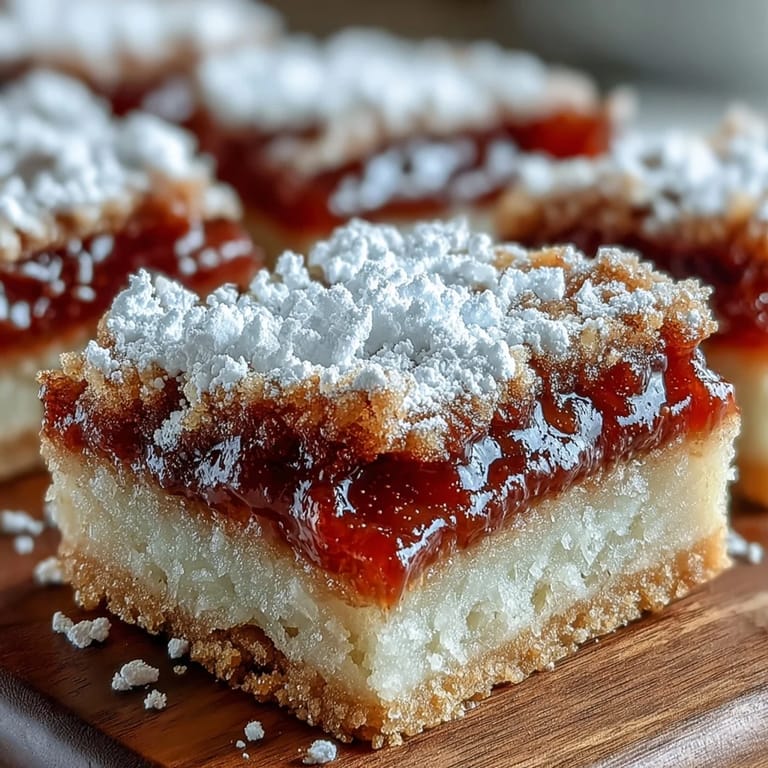
- Let the bars cool completely in the pan on a wire rack, then refrigerate for at least 2 hours—this helps everything set so you can cut clean squares without the filling dragging. Once cold, use the parchment overhang to lift the whole thing out, cut into 16 squares, and dust lightly with powdered sugar just before serving.
 Pin it
 My sister once brought these to her book club, and they sparked this whole tangent about whether Earl Grey in desserts felt elevated or pretentious. By the time everyone had eaten one, the question became moot—they were gone and people were asking for the recipe. That's when I realized these bars do something simple but rare: they feel indulgent and approachable at the same time.
The Tea-to-Dessert Ratio
Earl Grey can quickly tip from floral and lovely into soapy if you use too much or over-steep it. The recipe as written is balanced, but if you want a deeper tea flavor, you can steep an extra tea bag in the lemon juice for 10 minutes before whisking it into the filling—strain out any particles first. I've also had success crushing dried rose petals from tea into the crust for extra floral notes, though that's optional theater. The key is tasting as you go if you're experimenting; a tiny spoonful of the filling mixture tells you whether the tea flavor sings or overpowers.
Working with Guava Paste
Guava paste is wonderful because it's shelf-stable and deeply flavored, but its firmness varies wildly depending on the brand and how long it's been in your pantry. Some blocks are soft and yielding, others feel like they could double as a hockey puck. The cubing method works regardless because small pieces melt faster and more evenly than trying to spread one big chunk. If you absolutely cannot find guava paste, guava jelly works in a pinch, though it's looser and will weep slightly into the crust—just reduce the water to 1 tablespoon. Mango paste is a decent substitute too, though it shifts the flavor toward tropical-only and loses some of the tart edge that balances the sweetness.
Serving and Storage
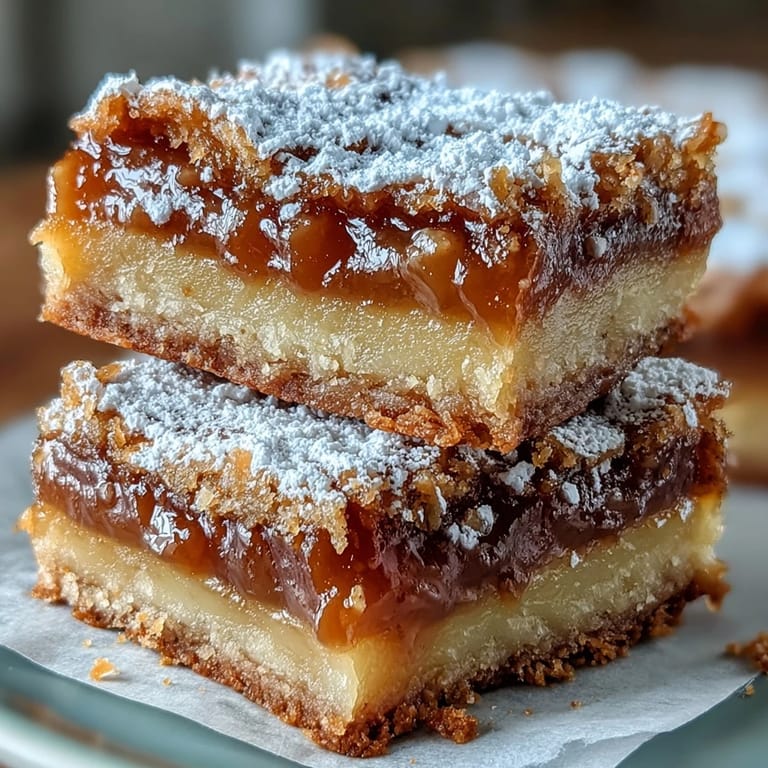
These bars taste luminous on the day they're made but honestly improve as they sit, with all three flavor layers mingling overnight. They keep beautifully in an airtight container in the refrigerator for up to 5 days, though I've never had them last that long. For something special, serve them slightly chilled alongside Earl Grey or sparkling wine—the bubbles lift the flavors and make the whole thing feel like an occasion.
- If you're shipping these, wrap them individually in parchment and pack them in a sturdy box with padding; they hold up better than delicate cookies.
- You can bake these up to 2 days ahead, cover them, and dust with powdered sugar right before guests arrive.
- Freeze unfrosted bars in a single layer, then transfer to a freezer bag for up to 3 months; thaw in the fridge before serving.
 Pin it
 These bars turned out to be one of those recipes I keep reaching for because they hit something in the middle of fancy and approachable, elegant without being fussy. They remind me that sometimes the best dishes come from throwing unexpected flavors at each other and seeing what sticks.
Frequently Asked Questions
- → Can I make these bars ahead of time?
Yes, these bars actually improve with time. You can make them up to 2 days in advance and store them in the refrigerator. The flavors meld together beautifully, and the texture becomes more firm and easier to cut cleanly.
- → How do I know when the filling is properly set?
The filling is done when the center no longer jiggles when you gently shake the pan. It should appear set but still slightly moist in the center. Remember that it will continue cooking slightly from residual heat and will firm up considerably during chilling.
- → Can I use fresh guava instead of guava paste?
Fresh guava contains too much water and won't create the proper layer structure. Guava paste is concentrated and provides the thick, spreadable consistency needed for the middle layer. If unavailable, guava membrane or guava jelly can work as substitutes.
- → Why do I need to chill the bars before cutting?
Chilling is essential for achieving clean, professional-looking squares. The custard-like filling needs time to fully set, which makes it easier to cut through without sticking or losing shape. At least 2 hours of refrigeration is recommended, but overnight is even better.
- → Can I freeze these bars?
Yes, these freeze exceptionally well. Wrap individual bars or the whole uncut slab tightly in plastic wrap and foil, then freeze for up to 3 months. Thaw overnight in the refrigerator before serving, and add powdered sugar just before enjoying.
- → How can I intensify the Earl Grey flavor?
For a stronger tea presence, steep 2 tea bags in the lemon juice for 10 minutes before straining and using in the filling. You can also grind the tea leaves from the crust into a finer powder, or increase to 1.5 bags in both the crust and filling components.