 Save
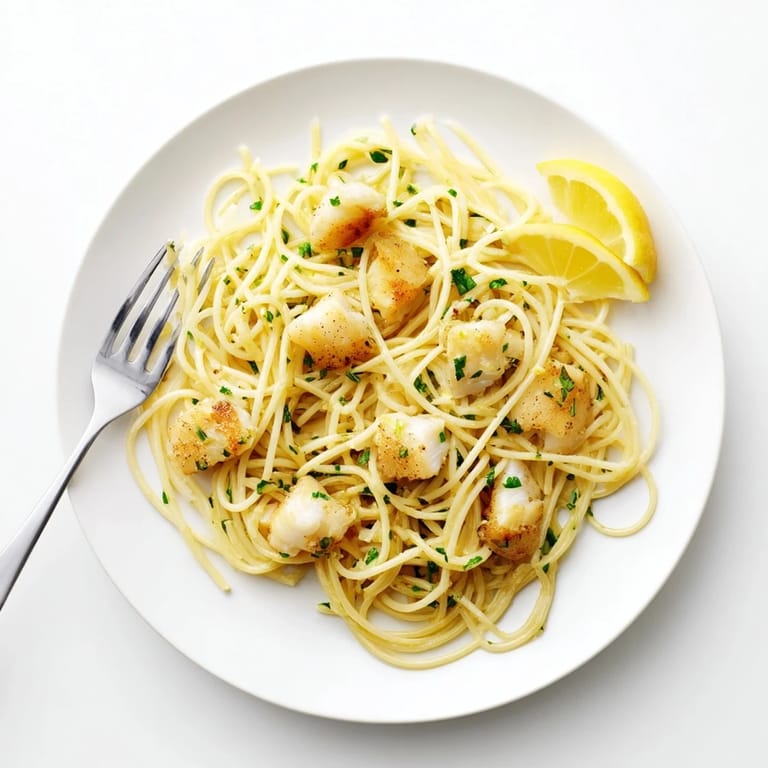
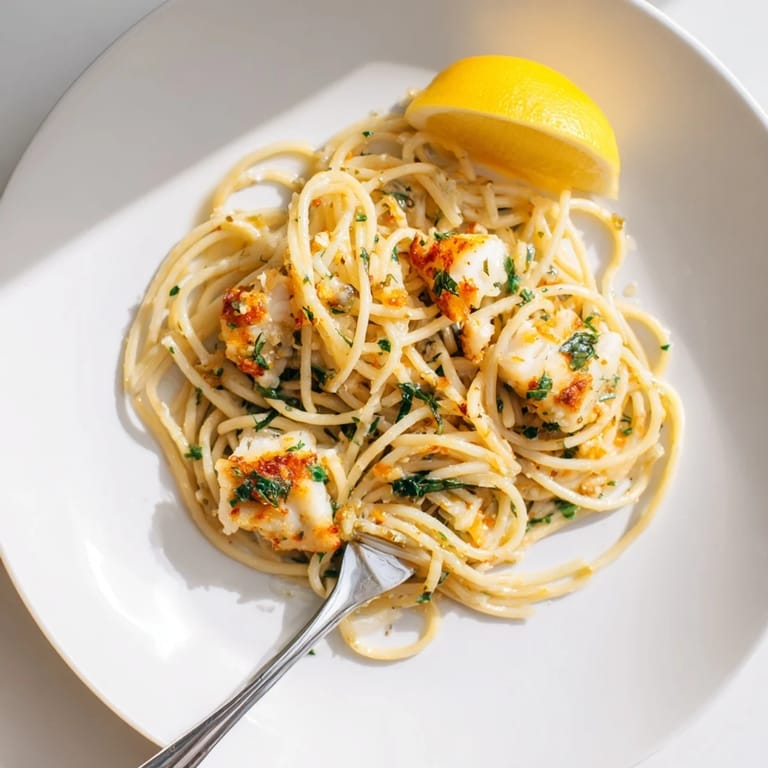
Save My neighbor caught striped bass one Saturday morning and left three fillets at my door before I even had coffee. I was still in pajamas, staring at the bag, when I realized I had nothing planned for dinner except maybe pasta. That's when this dish happened, half accident, half instinct. The fish crisped up so beautifully in the pan that I almost ate it straight off the plate, but tossing it with lemon and herbs turned it into something I've made at least a dozen times since. Sometimes the best recipes come from a doorstep surprise and a little hunger.
I made this for a small dinner party once, and my friend who claims she does not like fish asked for seconds. She said it was the lemon and the crispy edges that won her over. I think she also appreciated that the fish did not taste fishy, just clean and bright. We ended up sitting at the table way longer than planned, picking at the last bits with forks and talking until the candles burned low. That night convinced me that this dish has a way of making people linger.
Ingredients
- Firm white fish fillets: Cod, haddock, or sea bass work best because they hold their shape when you flip them and flake beautifully without turning mushy.
- All purpose flour: Just a light dusting helps the fish crisp up without a thick batter, so you still taste the fish itself.
- Sea salt and black pepper: Simple seasoning lets the fish shine, and a little goes a long way when the fish is fresh.
- Olive oil: Use regular olive oil for cooking the fish since it has a higher smoke point than extra virgin.
- Spaghetti or linguine: Long noodles catch the flakes of fish and bits of garlic in every twirl, making each bite balanced.
- Unsalted butter: Adds richness to the garlic without making the dish too salty, and it helps everything coat the pasta smoothly.
- Garlic: Fresh garlic sautéed in butter smells like the best part of any Italian kitchen, and it mellows out just enough to not overpower the fish.
- Lemon zest and juice: The zest gives you that bright citrus oil, and the juice adds the tang that makes the whole dish wake up.
- Fresh parsley and chives: Parsley brings a grassy freshness, and chives add a mild onion note that does not compete with the garlic.
- Chili flakes: Optional, but a pinch adds a gentle warmth that sits in the background without making it spicy.
- Extra virgin olive oil: Drizzled at the end, it adds a fruity, peppery finish that makes the pasta taste more luxurious.
Tired of Takeout? 🥡
Get 10 meals you can make faster than delivery arrives. Seriously.
One email. No spam. Unsubscribe anytime.
Instructions
- Boil the pasta:
- Cook the spaghetti or linguine in a big pot of salted water until it still has a little bite, then scoop out half a cup of the starchy water before you drain. That starchy water is gold for bringing the sauce together later.
- Prep and season the fish:
- Pat the fillets completely dry with paper towels, season both sides with salt and pepper, then dust them lightly in flour and shake off the extra. Dry fish crisps up better, and too much flour makes it gummy.
- Pan fry the fish:
- Heat olive oil in a large skillet over medium high until it shimmers, then lay the fillets in gently and let them cook without moving for three to four minutes per side until golden. Transfer them to a plate, let them rest a minute, then break them into big flaky chunks with a fork.
- Build the garlic butter base:
- Lower the heat to medium, add butter and chopped garlic to the same skillet, and stir until the garlic smells sweet and toasty, about a minute. Toss in the lemon zest and chili flakes if you are using them.
- Toss the pasta:
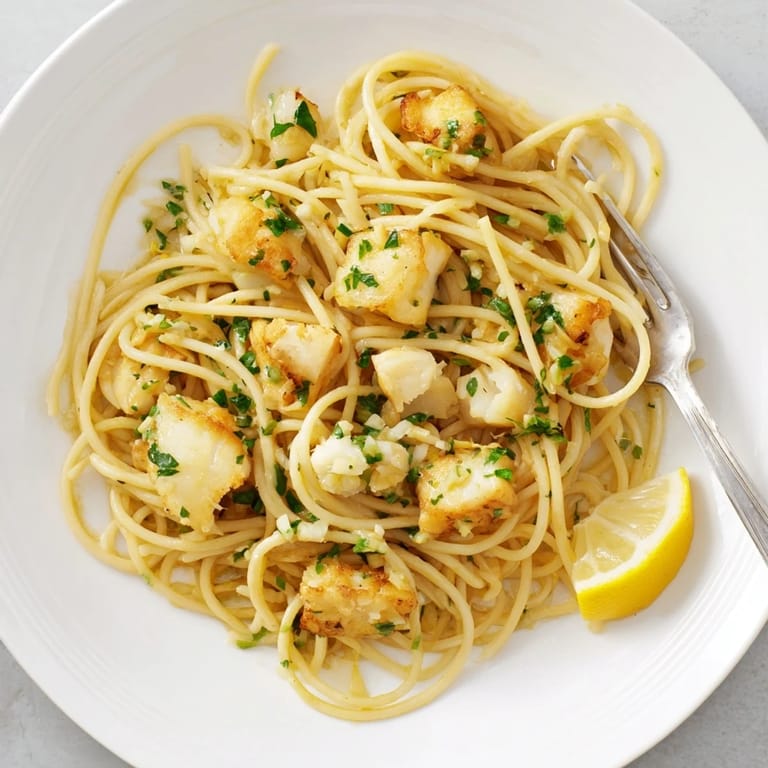
- Add the drained pasta to the skillet and toss it around to coat in the garlic butter, then pour in the lemon juice, a splash of pasta water, and the extra virgin olive oil. Stir in the parsley and chives until everything looks glossy and smells bright.
- Fold in the fish:
- Gently add the flaked fish to the pasta and toss it lightly, just enough to warm it through and distribute the pieces. Be careful not to break it up too much or it will turn into mush.
- Serve right away:
- Plate it up while it is still steaming, top with extra herbs and black pepper, and set out lemon wedges on the side for squeezing. This dish tastes best hot and fresh.
 Pin it
 One evening I served this to my dad, who grew up eating fried fish every Friday, and he said it reminded him of summers by the coast but lighter and brighter. He ate two helpings and then sat back with his hands folded, looking content in that quiet way that means more than any compliment. That is when I knew this dish had earned a permanent spot in my rotation. It is simple enough to feel like home, but special enough to make people pause and appreciate what is in front of them.
Choosing Your Fish
Any firm white fish works here, so do not stress if you cannot find cod or haddock. I have used tilapia, snapper, and even halibut when it was on sale, and they all crisped up beautifully. The key is to avoid anything too delicate like sole or flounder, which will fall apart when you try to flip it. Look for fillets that are about an inch thick, with no dark spots or fishy smell. If you are buying frozen, thaw it in the fridge overnight and pat it really dry before you cook it, because frozen fish holds extra moisture that will ruin the crisp.
Making It Your Own
This recipe is a great base, but it loves little additions. I have stirred in a handful of baby arugula right at the end for a peppery bite, or tossed in a few capers for a briny punch. Cherry tomatoes, halved and warmed through, add a burst of sweetness that plays nicely with the lemon. If you want it richer, a splash of cream or a spoonful of mascarpone turns it into something almost indulgent. You can also swap the herbs depending on what you have, basil and dill both work beautifully, and dill especially makes it taste even more coastal.
Storing and Reheating
Leftovers keep in the fridge for up to two days, but the fish will lose its crisp, so I usually eat this fresh. If you do reheat it, do it gently in a skillet over low heat with a splash of water or olive oil to loosen the pasta. The microwave will turn the fish rubbery and make the pasta gummy, so avoid it if you can. Sometimes I will flake leftover fish and toss it into a green salad the next day with lemon vinaigrette, which gives it a second life without reheating at all.
- Store the pasta and fish together in an airtight container, and do not leave it out for more than an hour after cooking.
- If you know you will have leftovers, undercook the pasta slightly so it does not turn mushy when reheated.
- A squeeze of fresh lemon over reheated pasta brings back some of the brightness that fades in the fridge.
 Pin it
 This dish has a way of turning an ordinary Tuesday into something worth sitting down for. I hope it brings a little brightness to your table, and maybe a few seconds, too.
Frequently Asked Questions
- → What type of fish works best for this dish?
Firm white fish varieties are ideal, such as cod, haddock, sea bass, tilapia, or snapper. These hold their shape during cooking and flake beautifully into bite-sized pieces without becoming mushy.
- → How do I prevent the fish from falling apart when folding it into the pasta?
Pat the fish dry before cooking, as excess moisture causes it to break apart easily. After flaking, handle gently and fold the fish in as the final step, mixing lightly rather than vigorously to maintain texture.
- → Can I make this dish ahead of time?
This dish is best served immediately after combining. However, you can prep ingredients ahead—cook pasta, pan-fry fish, and prepare the herb mixture separately. Combine and warm through just before serving for optimal flavor and texture.
- → What if I don't have fresh herbs available?
Fresh herbs elevate the dish, but dried alternatives work if necessary. Use about one-third the amount of dried herbs, as their flavor concentrates. Add them while sautéing garlic to release their essence into the oil.
- → Is this suitable for a dairy-free diet?
Yes, simply substitute the butter with extra virgin olive oil in equal proportions. The olive oil provides richness and helps emulsify the sauce beautifully while maintaining Mediterranean authenticity.
- → How much pasta water should I reserve and use?
Reserve about 1/2 cup of starchy pasta water before draining. Add gradually while tossing—the starch helps create a silky sauce that coats the pasta. You may not need all of it, depending on desired consistency.