 Save
Save My neighbor Priya brought over cardamom donuts one Sunday morning, still warm from her kitchen, and the aroma hit me before I even opened the door—that haunting spice that smells like comfort and something vaguely exotic all at once. I bit into one and the fluffy crumb practically dissolved on my tongue, followed by that honey glaze that tasted like breakfast had suddenly become luxurious. She refused to share the recipe at first, claiming it was family secret, but eventually relented over coffee and I've been making batches ever since. Now my kitchen fills with that same cardamom perfume every few weeks, and somehow it always feels like a small celebration.
Last winter, I made these for a potluck at work and watched a notoriously grumpy colleague take a bite, pause, and then ask for the recipe before saying anything else—that's when I knew I'd nailed it. There's something about homemade donuts that transforms a tired Tuesday morning into something worth remembering, and the cardamom makes them feel like you've done something genuinely special rather than just fried dough.
Ingredients
- All-purpose flour (3 cups): The backbone of your dough, so measure it properly by spooning and leveling rather than scooping straight from the bag, which compacts it and throws off your ratios.
- Active dry yeast (2¼ tsp): This is what gives you that cloud-like texture, but make sure it's fresh—old yeast won't activate properly and your donuts will be dense instead of fluffy.
- Granulated sugar (¼ cup): Feeds the yeast and sweetens the dough subtly, letting the cardamom flavor shine without competing for attention.
- Salt (½ tsp): A tiny pinch that actually strengthens gluten development and prevents the dough from tasting flat and one-dimensional.
- Ground cardamom (1 tsp plus ¼ tsp for glaze): This is where the magic lives—buy it whole and grind it yourself if possible, as pre-ground loses its aromatic punch surprisingly fast.
- Whole milk, lukewarm (¾ cup): Temperature matters more than you'd think; too hot kills the yeast, too cold and it won't activate, so aim for around 110°F if you have a thermometer handy.
- Large eggs (2), room temperature: Cold eggs seize the butter and make your dough lumpy, so pull them from the fridge at least 30 minutes before you start.
- Unsalted butter, melted (¼ cup): Melted not softened, because melted incorporates more smoothly and creates that tender crumb.
- Vegetable oil (1 quart): A neutral oil that won't impart flavor; keep a thermometer handy so your donuts fry at exactly 350°F instead of burning or staying greasy.
- Honey (½ cup): The soul of the glaze—use something decent rather than the thin commercial stuff, as it actually tastes different and the glaze sets better.
- Powdered sugar, sifted (1 cup): Sifting prevents lumps that'll make your glaze gritty, which sounds small but changes everything.
- Milk (2 tbsp): Thins the glaze to a drizzle consistency, so add it slowly and stop when you reach the texture you want rather than dumping it all in at once.
Tired of Takeout? 🥡
Get 10 meals you can make faster than delivery arrives. Seriously.
One email. No spam. Unsubscribe anytime.
Instructions
- Gather and combine your dry ingredients:
- Whisk the flour, sugar, salt, and cardamom together in a large bowl, breaking up any clumps so the spice distributes evenly throughout and you don't end up with pockets of cardamom flavor.
- Wake up the yeast:
- Dissolve the yeast in lukewarm milk and let it sit for about 5 minutes—you'll see it get foamy and smell that distinctive yeasty aroma, which means it's alive and ready to work. If it doesn't foam, your yeast is dead and you need to start over with a fresh packet.
- Combine your wet ingredients:
- Whisk the eggs and melted butter into the yeast mixture until smooth, creating a cohesive base that'll bind everything together without lumps.
- Bring the dough together:
- Pour the wet ingredients into the dry and mix with a wooden spoon or your hands until a soft, shaggy dough forms—it'll look a little rough at this stage, which is exactly what you want.
- Knead until silky:
- Turn the dough out onto a lightly floured surface and knead for 5 to 7 minutes, folding it over itself repeatedly until it becomes smooth and elastic and springs back when you poke it. Your hands and forearms will get a gentle workout, which honestly feels rewarding.
- Let it rise for the first time:
- Place the dough in a greased bowl, cover it with a damp towel or plastic wrap, and let it sit in a warm corner of your kitchen (near a sunny window works beautifully) for about an hour until it's doubled in size. This is when your kitchen will smell absolutely incredible.
- Shape your donuts:
- Punch down the dough—this actually feels satisfying—and roll it out on a floured surface to about ½-inch thickness, working gently so you don't deflate all that air you just built up. Use a donut cutter or two round cutters (3-inch for the donut and 1-inch for the hole) and cut straight down without twisting, which seals the edges.
- Second rise for puffiness:
- Arrange your cut donuts and holes on a parchment-lined baking sheet, cover them loosely, and let them rise for about 30 minutes until they're puffy and slightly jiggly when you move the pan. They won't double like the first rise, but you'll see a noticeable difference.
- Heat your oil properly:
- Pour oil into a deep pot and bring it to exactly 350°F—use a thermometer because guessing usually means either greasy donuts or ones that brown too fast on the outside while staying raw inside. Let the oil stabilize at temperature for a minute before you start frying.
- Fry until golden:
- Working in batches so you don't crowd the pot, carefully slide your donuts into the oil and fry for about 1 to 2 minutes per side until they're a deep golden brown, using a slotted spoon to flip them gently. The whole kitchen will smell like fried pastry and cardamom, which is honestly better than any candle.
- Drain completely:
- Transfer the fried donuts to a wire rack set over a baking sheet so they can drain and cool slightly without sitting in oil, which keeps them from getting soggy on the bottom.
- Make the glaze:
- Whisk together the honey, sifted powdered sugar, milk, cardamom, and a pinch of salt until you have a smooth, pourable consistency—if it's too thick, add milk a few drops at a time until it flows like loose frosting.
- Glaze while warm:
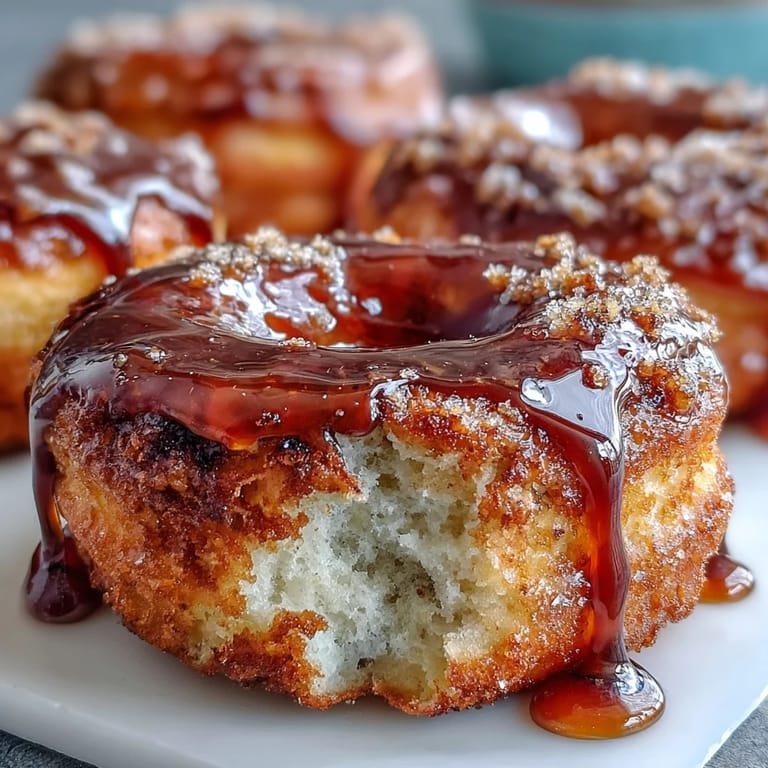
- Dip each still-warm donut into the glaze, letting the excess drip off before placing it back on the rack to set—the warmth helps the glaze cling and creates that gorgeous coating.
 Pin it
 My daughter requested these for her birthday breakfast last year instead of a traditional cake, and watching her light up when she bit into one—still warm, glossy with honey glaze—made me realize that sometimes the most meaningful food is the stuff you make with your own hands. She's already asking when I'll make them again.
Why Cardamom Matters Here
Cardamom isn't just a flavor—it's a mood, almost a personality, and it transforms these donuts from basic fried dough into something that feels intentional and thoughtful. The spice is warm but not hot, aromatic without being overpowering, and it plays beautifully with honey glaze because neither one tries to drown out the other. Once you've made these, you'll understand why it's so prized in Middle Eastern and Scandinavian baking.
Storage and Keeping Them Fresh
These are absolutely best the day you make them—that's when the contrast between the fluffy interior and the crispy exterior is most pronounced, and the honey glaze still has that slight tackiness. If you need to keep them longer, store them in an airtight container at room temperature for up to two days, though they'll gradually lose that just-fried texture and become more cake-like, which isn't necessarily bad—just different.
Making Them Your Own
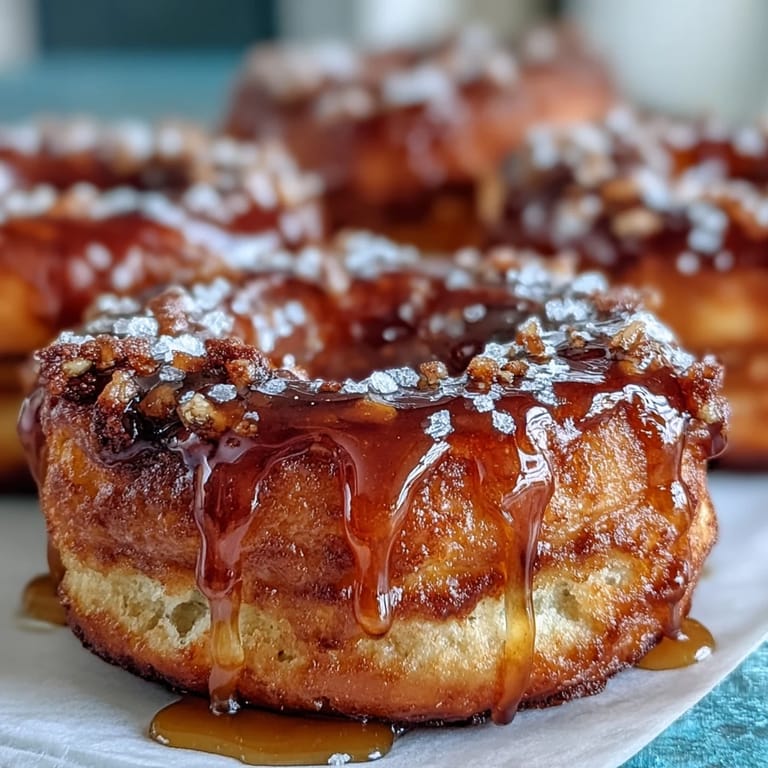
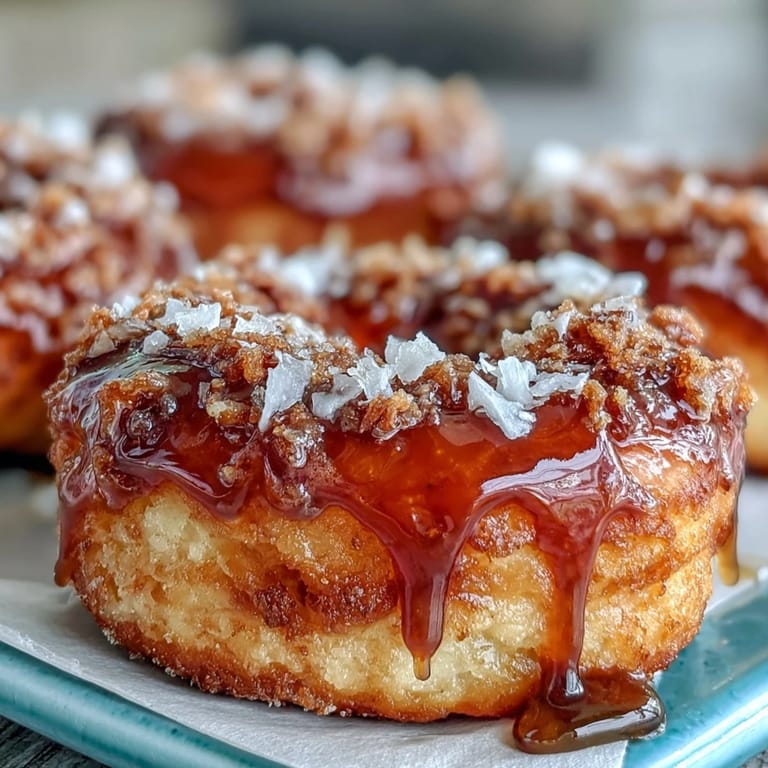
Once you've nailed the basic recipe, the toppings become your playground, and this is where you can get creative without breaking anything. I've tried crushed pistachios, a light dusting of sea salt over the glaze, and even a tiny sprinkle of rose water in the honey mixture—all of them worked beautifully and made the donuts feel like different experiences each time.
- Sprinkle chopped pistachios or toasted almonds over the glaze while it's still wet if you want texture and nuttiness.
- A tiny pinch of fleur de sel on top of the glaze creates a sweet-salty contrast that makes people pause and ask what you did.
- If you're feeling adventurous, add a drop of rose water or orange blossom water to the glaze for an unexpected Middle Eastern twist.
 Pin it
 There's something genuinely special about biting into a donut that you made yourself, one that's still slightly warm and tastes like cardamom and honey and butter all at once. Once you make these, they'll become your secret weapon for impressing people who think they know what donuts are supposed to taste like.
Frequently Asked Questions
- → How do I achieve a light and fluffy texture?
Ensure the dough rises fully in a warm place, allowing yeast to activate and create air pockets that make the donuts airy.
- → Can I substitute honey in the glaze?
Yes, you can use maple syrup or agave nectar to maintain the glaze's sweetness and texture.
- → What frying temperature is best for these donuts?
Maintain oil temperature around 350°F (175°C) to cook the donuts evenly without absorbing excess oil.
- → How should I store leftover donuts?
Store in an airtight container at room temperature for up to two days to keep them fresh and soft.
- → Can I add nuts for extra flavor?
Sprinkling finely chopped pistachios over the glaze adds a lovely crunch and enhances the overall taste.