 Save
Save There's something about the sound of soba noodles hitting cold water that still makes me smile—that satisfying splash and the way the starch clouds billow away. My neighbor introduced me to this bowl on a sweltering afternoon when she showed up with a container and said, "Trust me, this fixes everything." She was right. It became my go-to when I wanted something that felt both nourishing and effortless, especially on days when the kitchen felt too hot for real cooking.
I made this for my roommate once when she came home exhausted from a long shift, and watching her face light up as she twirled those noodles felt like I'd given her something more valuable than just food. She's not usually a noodle person, but the crunch of the vegetables and the way that dressing clung to everything changed her mind completely. Now she texts me photos of her versions from different cities she travels to.
Ingredients
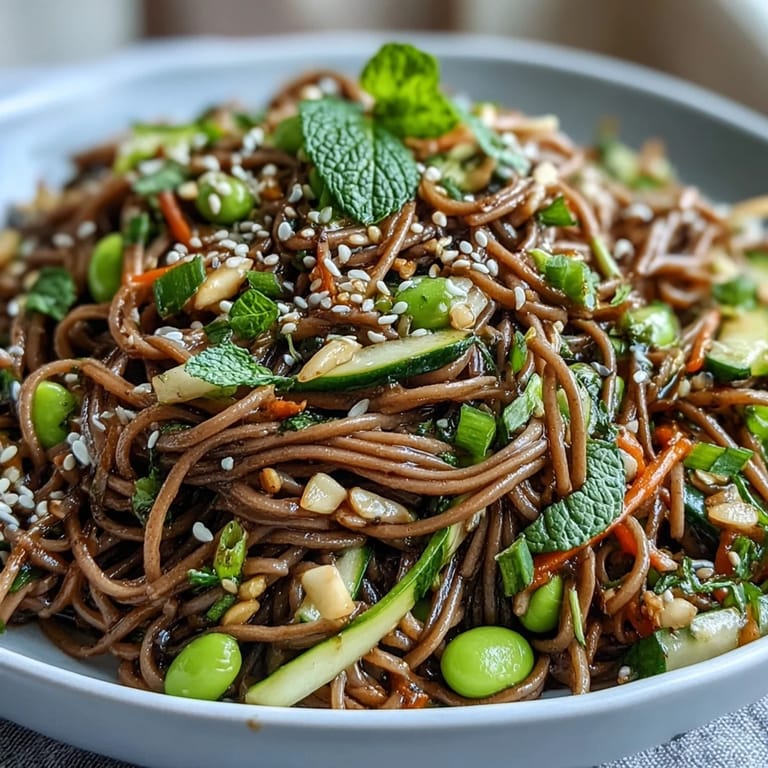
- Dried soba noodles (250 g): Look for ones labeled 100% buckwheat if you're avoiding gluten entirely—the regular kind often sneaks in wheat flour, which surprised me the first time I checked carefully.
- Shelled edamame (1 cup, fresh or frozen): Frozen works just as well as fresh and saves you the shelling drama; I learned this after spending twenty minutes struggling with pods when the frozen version was sitting right there.
- Cucumber (1 medium, julienned): English cucumbers have fewer seeds and feel less watery, which matters when you don't want your bowl turning soggy by the second bite.
- Carrots (2 medium, peeled and julienned): The sweetness balances the salty-tangy dressing perfectly, and julienning them thin means they stay crisp without that raw woody texture.
- Scallions (2, thinly sliced): These add a sharp freshness that can't be replaced; don't skip them thinking they're just garnish.
- Toasted sesame seeds (2 tbsp): Toast your own if you have time—the difference in aroma and flavor between raw and toasted is honestly night and day.
- Fresh cilantro or mint (1/4 cup, optional): I call these optional, but they transform this from good to memorable, so I'd argue they're essential.
- Soy sauce (3 tbsp, or tamari for gluten-free): Use the real thing here, not the cheap stuff that tastes more like salt water.
- Rice vinegar (2 tbsp): This brings brightness without the harsh bite you'd get from white vinegar; it's the silent hero of this dressing.
- Toasted sesame oil (1 tbsp): A little goes a long way—this stuff is potent and aromatic, so don't be tempted to double it.
- Tahini or smooth peanut butter (1 tbsp): Tahini keeps it neutral and elegant, but peanut butter works if that's what you have and adds a subtle earthiness.
- Honey or maple syrup (1 tbsp): This rounds out the salty-tangy flavors and prevents the dressing from tasting one-dimensional.
- Fresh ginger (1 tsp, grated): Ginger root grated on a microplane feels like you're doing something fancy, even though it takes ten seconds.
- Garlic clove (1 small, minced): Raw garlic here provides a gentle heat that cooks into mellow once it sits in the dressing for a few minutes.
- Water (1 tbsp, more as needed): This is your consistency controller—add it slowly so you don't overshoot and end up with dressing that's more soup than sauce.
Tired of Takeout? 🥡
Get 10 meals you can make faster than delivery arrives. Seriously.
One email. No spam. Unsubscribe anytime.
Instructions
- Get your water going:
- Fill a medium saucepan with water and bring it to a rolling boil; this should take about five minutes while you gather everything else. Listen for that aggressive bubbling sound that tells you you're ready to go.
- Cook the soba noodles:
- Drop them into the boiling water and stir immediately so they don't clump up—follow whatever the package says, but most soba finishes in about four minutes. The second they're tender, drain them immediately and run them under cold water until they feel cool; this stops them from cooking further and keeps them chewy instead of mushy.
- Blanch the edamame while noodles cook:
- Drop them into a separate pot of boiling water for exactly two to three minutes, then drain and let them cool slightly. They should still have a slight firmness to them, not be soft enough to mash.
- Whisk the dressing together:
- In a small bowl, combine the soy sauce, rice vinegar, sesame oil, tahini, honey, ginger, and garlic. Whisk until it looks smooth and emulsified—it should smell incredible at this point.
- Prepare your vegetables:
- Julienne the cucumber and carrots into matchstick-thin pieces using a knife or mandoline if you have one, then slice your scallions thin. Do this while the noodles are cooling so everything is fresh.
- Dress and assemble:
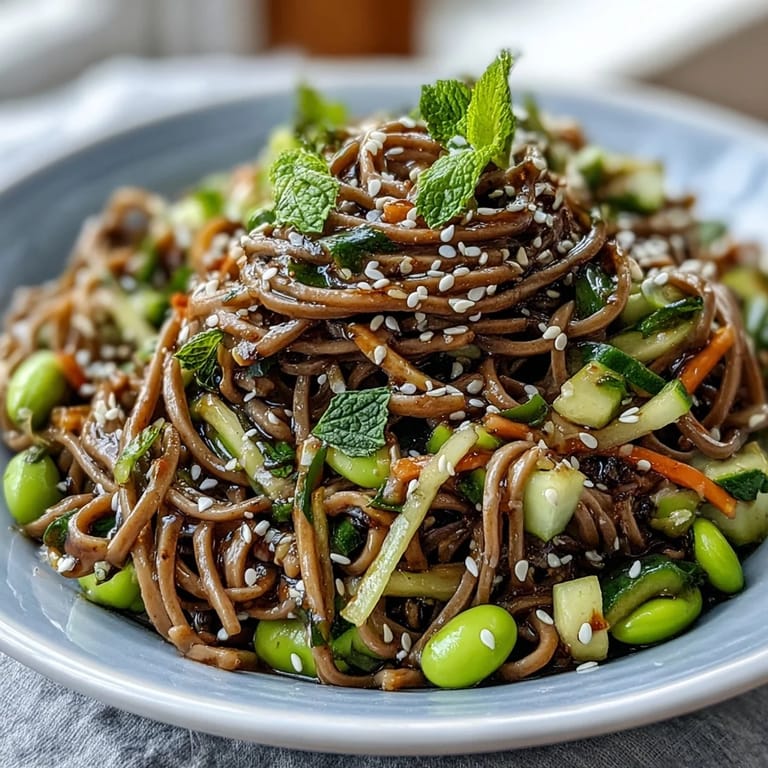
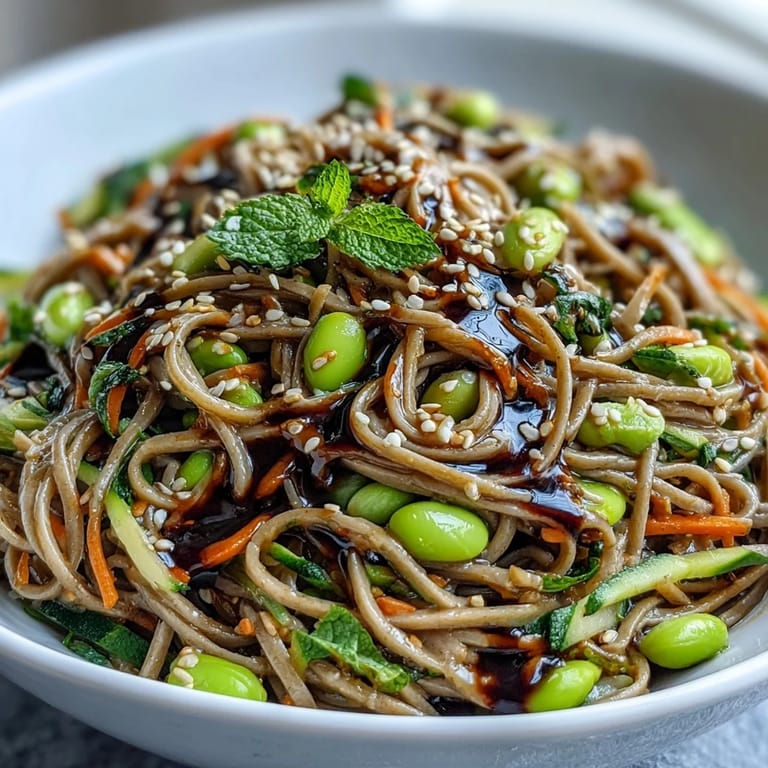
- Toss the cooled noodles with about half the dressing in a large bowl, then divide them among four bowls. Top each one with a handful of edamame, cucumber, carrots, and scallions, then drizzle with the remaining dressing.
- Finish with the flourish:
- Sprinkle toasted sesame seeds over everything and add fresh cilantro or mint if you're using it. Serve immediately so everything stays crisp and the temperature contrast between the cold noodles and cool vegetables feels intentional.
 Pin it
 This dish became the thing I made when I needed to prove to myself that cooking could be simple and still feel intentional. There's real joy in building each bowl from components that stay distinct and beautiful instead of muddled together, and serving it to someone always feels like you've given them permission to slow down for a moment.
Why Cold Noodles Changed My Summer
I used to think cold noodle dishes were just a compromise when you forgot to meal prep hot food, but I was so wrong. There's actually something luxurious about them once you stop fighting the temperature—they're refreshing without being unsatisfying, and they sit lighter in your stomach on days when your body really doesn't want anything heavy. The chilled noodles feel delicate against the crisp vegetables, and the dressing sticks to everything in a way that warm oil never quite manages.
Building Your Own Version
The skeleton of this bowl is pretty forgiving, which is exactly why it became my formula for using up whatever vegetables were lurking in my crisper drawer. Bell peppers add sweetness and crunch, snap peas bring a delicate crispness, radishes provide a spicy bite, and shredded red cabbage turns everything into a color study. I've learned that the key is contrast—you want something soft (the noodles), something crisp (the vegetables), something creamy (the dressing), and something you can really taste (the garlic and ginger).
Elevations and Additions
If this bowl ever feels a little sparse to you, there are several directions to take it that feel natural rather than chaotic. Grilled tofu adds protein and a subtle smokiness, a soft-boiled egg creates an unexpected richness when you break the yolk into the noodles, and marinated mushrooms bring umami depth that makes everything taste more complete.
- Toast your own sesame seeds in a dry pan for two minutes to unlock flavors you didn't know were hiding in there.
- Make the dressing a day ahead so the garlic and ginger mellow slightly and blend into something rounder and less sharp.
- Keep everything separate until serving time so textures stay distinct and nothing gets soggy or overworked.
 Pin it
 This bowl is what I make when I want to feed myself well without fuss, and it somehow manages to feel both casual and special every single time. There's real magic in how something this simple can taste like you actually tried.
Frequently Asked Questions
- → Can I make this bowl ahead of time?
Yes, you can prepare the components up to 24 hours in advance. Store the noodles tossed with a small amount of oil, keep vegetables separate, and refrigerate dressing. Toss everything together just before serving to maintain texture.
- → What vegetables work best in this dish?
Julienned cucumber and carrots provide classic crunch, but you can also add bell peppers, snap peas, shredded cabbage, or radishes. The key is cutting vegetables into thin, matchstick pieces for easy eating with noodles.
- → Is this suitable for gluten-free diets?
Traditional soba noodles contain wheat, so look for 100% buckwheat noodles labeled gluten-free. Substitute tamari for soy sauce, and the dish becomes completely gluten-free while maintaining authentic flavor.
- → How do I store leftovers?
Keep components separate in airtight containers in the refrigerator for up to 3 days. The noodles may soften slightly when stored dressed, so add fresh dressing before serving leftovers to revive flavors.
- → Can I add protein to make it more filling?
Grilled tofu, shredded chicken, pan-seared salmon, or soft-boiled eggs all complement the flavors beautifully. For plant-based options, try roasted chickpeas or extra edamame for additional protein.
- → What makes soba noodles unique?
Soba noodles are made from buckwheat flour, giving them a nutty flavor and firm texture that holds up well in cold dishes. They're also lower in calories and higher in protein than wheat noodles, making them a nutritious choice.