 Save
Save My neighbor swore by deconstructed meals, and one sweltering afternoon she handed me a bowl of crispy rice paper shards, perfectly arranged vegetables, and the most addictive peanut sauce I'd ever tasted. I'd been intimidated by Vietnamese cooking until that moment, thinking precision was everything, but she laughed and said the beauty was in the chaos. That bowl changed how I approach weeknight dinners, turning what could have been a tedious assembly into something genuinely fun to put together.
I made this for my partner on a chaotic weeknight when we were both exhausted, and somehow the ritual of building individual bowls turned into a moment of peace. We sat cross-legged on the kitchen counter, lime juice on our fingers, laughing about how fancy we felt eating something so simple. That's when I realized this isn't just a recipe, it's a way to slow down and actually enjoy cooking together.
Ingredients
- Rice paper: These delicate sheets soften beautifully when briefly submerged in warm water, creating a silky texture that contrasts wonderfully with crisp vegetables.
- Jasmine rice or vermicelli noodles: Choose based on your mood; rice feels substantial while noodles add an authentic Vietnamese touch and stay tender longer.
- Protein options (chicken, tofu, or shrimp): Grilled chicken stays juicy with a light char, tofu absorbs the peanut sauce beautifully, and shrimp adds a delicate sweetness that plays well with lime.
- Fresh vegetables (carrot, cucumber, bell pepper, cabbage): Julienne or slice them thin so they soak up the sauce without overwhelming your bite, and the varied colors make the bowl genuinely beautiful.
- Fresh herbs (mint and cilantro): Don't skip these; they're the difference between a good bowl and one that tastes like a restaurant you love.
- Peanut sauce components: The combination of peanut butter, soy sauce, hoisin, rice vinegar, and lime creates a balanced sauce that's nutty, tangy, and slightly sweet all at once.
- Sriracha: Add gradually and taste as you go; it's easy to overpower the delicate flavors, but a little heat makes everything sing.
- Toppings (roasted peanuts and fried shallots): These final flourishes add the crunch factor that makes you want to keep eating.
Tired of Takeout? 🥡
Get 10 meals you can make faster than delivery arrives. Seriously.
One email. No spam. Unsubscribe anytime.
Instructions
- Soften your rice paper carefully:
- Fill a large shallow dish with water that's warm to the touch but not hot; too hot and the paper becomes fragile and tears, too cold and it won't soften properly. Submerge each sheet for just 5 to 10 seconds, then lay it flat on a clean towel to prevent sticking.
- Cut the rice paper into shards:
- Stack 2 to 3 softened sheets and slice them into rough strips or squares with a sharp knife; they don't need to be uniform because the imperfection is part of the appeal. The smaller pieces ensure you get rice paper in every spoonful without it dominating the bite.
- Cook your chosen protein:
- Whether grilling, pan-frying, or baking, cook until it's golden and cooked through, then slice or cube it to size. The protein should be still warm when you assemble the bowls so the flavors meld together.
- Prep all your vegetables:
- Wash, peel, and cut everything into thin, uniform pieces; consistent sizes mean each vegetable gets coated evenly in sauce and looks intentional in the bowl. Julienned carrots and cucumbers are worth the extra effort because they soften slightly from the sauce without becoming mushy.
- Whisk the peanut sauce into silky perfection:
- Start with the peanut butter, soy sauce, hoisin, rice vinegar, and lime juice in a medium bowl, whisking until combined. Add warm water one tablespoon at a time, tasting and adjusting the balance; you want it pourable but still flavorful, never thin or watery.
- Build your bowls with intention:
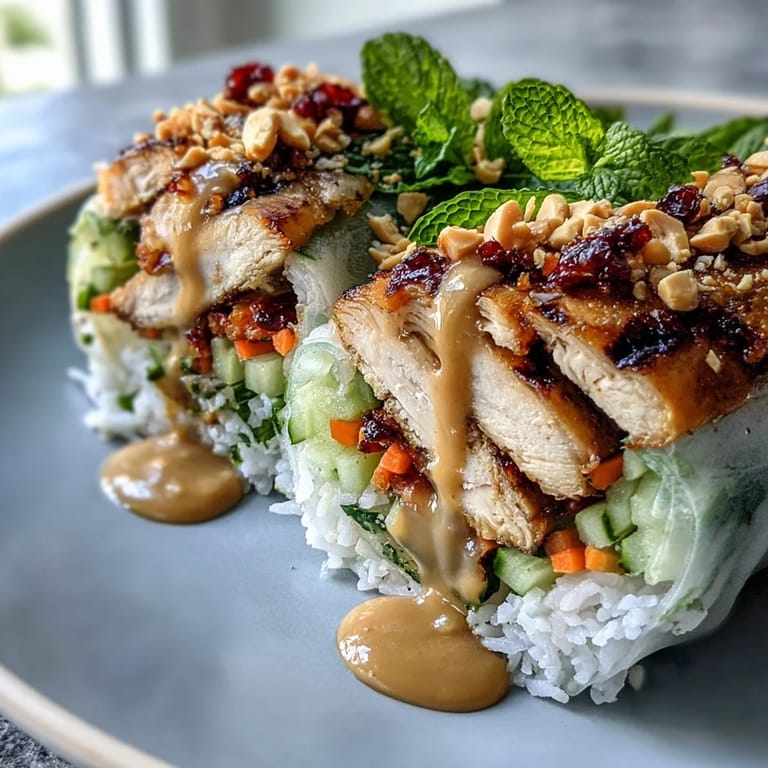
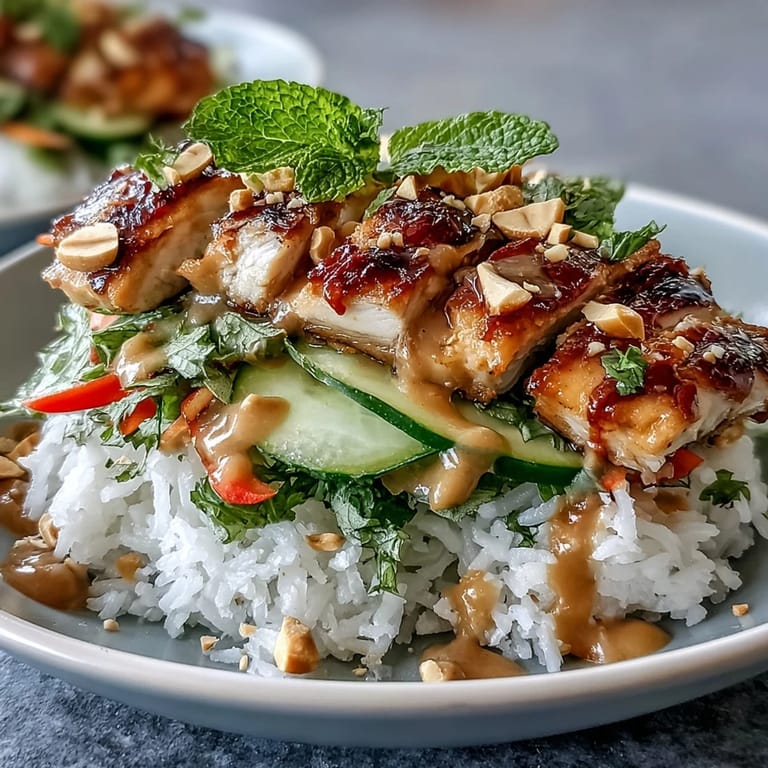
- Start with rice or noodles as your base, then layer rice paper shards, vegetables, greens, and fresh herbs in no particular order. Top with your chosen protein and drizzle generously with peanut sauce so every component gets coated.
- Finish with texture and a squeeze of lime:
- Scatter chopped roasted peanuts and fried shallots over the top, then serve with lime wedges on the side so people can adjust the acidity to their taste. The lime is essential; it brightens everything and keeps the bowl from feeling heavy.
 Pin it
 My sister showed up unannounced with her three-year-old, and instead of panicking about dinner, I threw together these bowls while he played with the rice paper strips like edible confetti. Watching him carefully select vegetables and build his own bowl gave me one of those unexpected moments where cooking felt like pure connection rather than a chore. That's the real magic of this dish.
The Story Behind Deconstructed Bowls
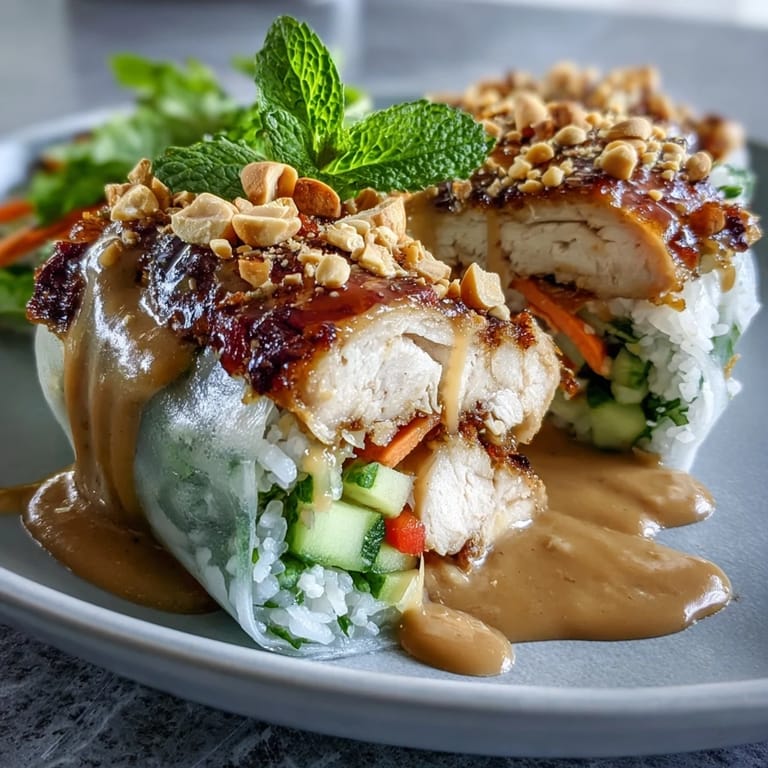
Vietnamese spring rolls inspired this bowl, but rather than rolling everything into paper, you're creating a build-your-own experience. The deconstructed approach means less fussy prep work and more flexibility for picky eaters or dietary restrictions. I love how it transforms something that could feel complicated into something that feels playful and personal.
Customizing Your Bowl
This recipe thrives on adaptation; think of it as a framework rather than a rigid formula. Swap proteins based on what's in your fridge, add pickled vegetables for extra tang, or throw in avocado if you're craving richness. The peanut sauce works with almost any addition, so don't be afraid to experiment and make it truly yours.
Timing and Prep Strategy
The 30-minute total time includes cooking your protein, but most of that is hands-off work once you get things sizzling. If you're meal prepping, you can soften and cut the rice paper, prep all your vegetables, and make the sauce ahead of time; just assemble everything fresh when you're ready to eat. A cool tip I learned is setting out all your bowls and ingredients before you start, so assembly feels like a satisfying final step rather than a scramble.
- Cook your protein first while you prep vegetables so nothing sits around waiting.
- The peanut sauce keeps in the fridge for up to five days, so make extra batches and drizzle it on grain bowls or use it as a dip throughout the week.
- Room temperature or slightly warm peanut sauce flows better than cold, so take it out of the fridge ten minutes before serving.
 Pin it
 This bowl became my answer to those nights when I want something that tastes intentional and delicious but doesn't require hours of work. Once you've made it once, it becomes second nature, and you'll find yourself craving it regularly.
Frequently Asked Questions
- → How do I prepare rice paper for bowls?
Fill a large shallow dish with warm water. Submerge each rice paper sheet for 5-10 seconds until just softened, then place on a clean towel. Stack 2-3 sheets and cut into strips or squares before adding to your bowl.
- → Can I make this bowl ahead of time?
Prepare vegetables and sauce up to 24 hours in advance. Store components separately in airtight containers. Assemble bowls just before serving to maintain crisp texture and prevent rice paper from becoming too soft.
- → What protein works best in this bowl?
Grilled chicken breast, pressed and cubed firm tofu, or cooked shrimp all pair beautifully. Choose based on dietary preferences. Each protein absorbs the peanut sauce well while maintaining its own distinct texture.
- → How can I adjust the peanut sauce consistency?
Start with 2 tablespoons warm water and gradually add more until reaching desired thickness. The sauce should be pourable but thick enough to coat ingredients evenly. For thinner sauce, add up to 4 tablespoons water.
- → Is this bowl gluten-free?
Yes, when using tamari instead of regular soy sauce and ensuring your hoisin is certified gluten-free. Rice paper is naturally gluten-free, making this an excellent option for those avoiding gluten.