 Save
Save I discovered this salad on a late spring evening when my garden was barely waking up, and I had nothing but the first tender snap peas and beans pushing through the soil. A friend brought over a wedge of sharp white cheddar she'd found at the farmers market, and standing in my kitchen with sunlight streaming through the windows, I thought: why not let these vegetables shine without drowning them? That moment became this salad—simple, alive, and somehow more elegant than I'd expected something so easy could be.
Years later, I made this for a dinner party when I was nervous about impressing new neighbors, and I remember how the cheddar shards caught the candlelight as I set the platter down. Everyone was quiet for just a moment before reaching in, and that silence felt like the highest compliment—the salad didn't need to announce itself.
Ingredients
- Snap peas: Buy them firm and bright green, with no soft spots; they're the backbone here and deserve your best ones.
- Green beans: Long and slender ones blanch faster and look prettier arranged on the plate.
- Sharp white cheddar: Don't settle for mild—the sharpness is what makes this sing against the fresh vegetables.
- Small shallot: Slice it gossamer-thin so it disappears into the dressing but leaves its gentle bite behind.
- Extra virgin olive oil: Use one you actually like to taste; it's the foundation of everything here.
- Fresh lemon juice: Squeezed moments before mixing, never bottled, or the whole balance tips wrong.
- Dijon mustard: Just enough to add depth without making anyone squint.
- Honey: A whisper of sweetness to round out the mustard's sharp edges.
- Fresh chives: The green confetti that makes this look intentional.
Tired of Takeout? 🥡
Get 10 meals you can make faster than delivery arrives. Seriously.
One email. No spam. Unsubscribe anytime.
Instructions
- Boil the vegetables into brightness:
- Fill a large pot with salted water and bring it to an aggressive boil—you should hear it before you see it. Add the snap peas and green beans all at once and watch them carefully; two minutes is all they need before they shift from limp to that perfect snap.
- Stop the cooking with ice:
- Use a slotted spoon to fish out the vegetables and plunge them straight into a bowl of ice water, moving quickly so the residual heat doesn't soften them further. This is the secret to keeping them bright and crunchy.
- Build the dressing:
- In a large bowl, whisk together the olive oil, lemon juice, mustard, and honey until it emulsifies slightly and turns silky. Taste it on a fingertip and adjust the salt and pepper—trust your palate here.
- Marry the vegetables with the dressing:
- Pat the cooled vegetables dry so they're not waterlogged, then toss them gently with the shallot and dressing, making sure every piece gets coated without bruising anything.
- Arrange like nature intended:
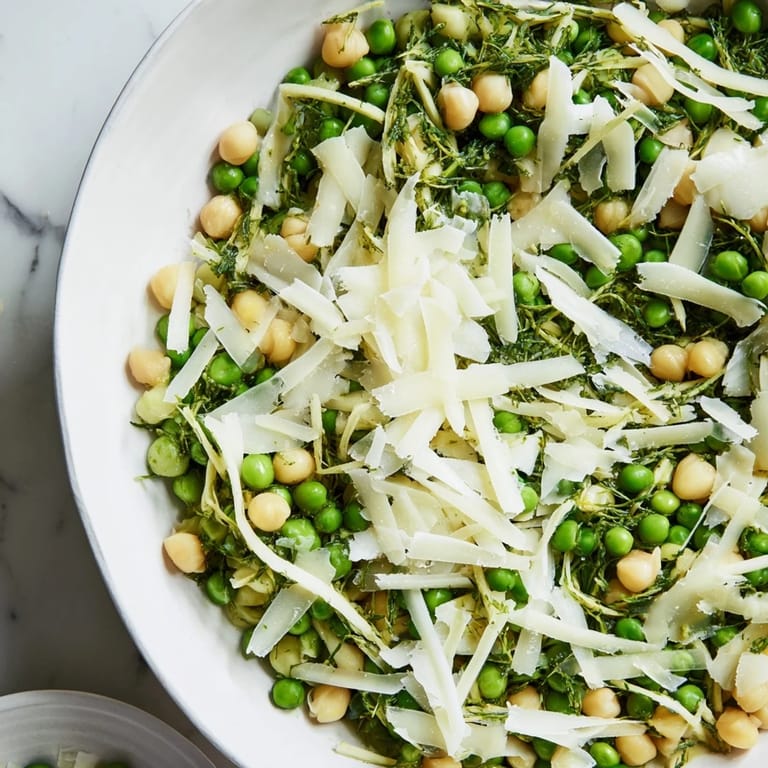
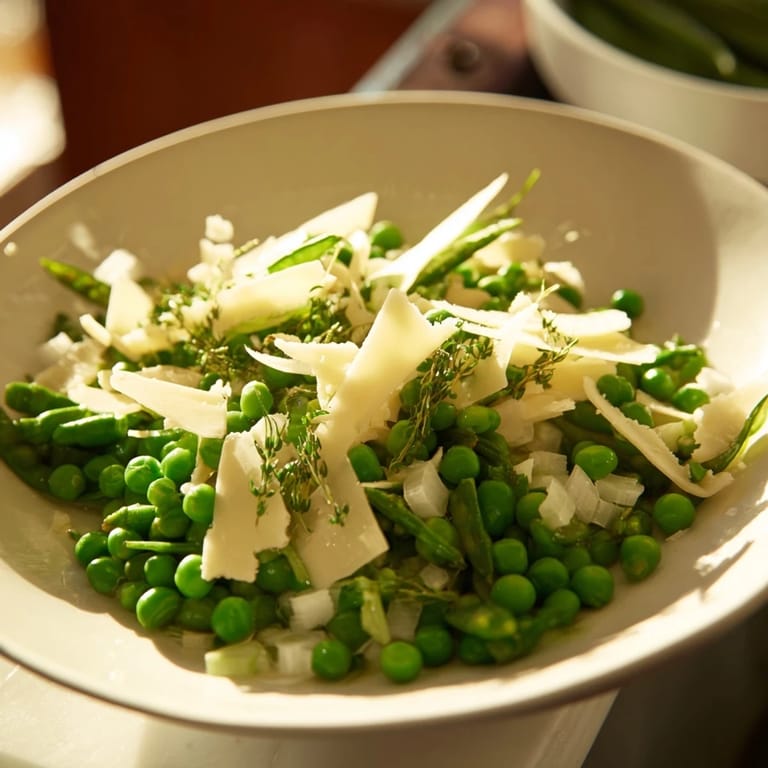
- On a serving platter, wind the snap peas and green beans into long, graceful vines the way they might grow in a garden. Scatter the cheddar shards across the top so they nestle into the vegetables.
- Finish and serve:
- Rain the chives over everything, add microgreens or pea shoots if you have them, and bring it straight to the table while it's still cool and the vegetables are still singing.
 Pin it
 I realized this salad had become something more than food the night my daughter asked to make it with me, standing on a step stool to help arrange the vegetables on the platter. She was so careful with each piece, and I understood then that the best recipes are the ones that make people slow down and pay attention.
Why This Deserves Your Spring Table
There's a moment every spring when you're tired of heavy food but want something that feels like an actual meal, not an apology for skipping dinner. This salad sits right in that space—substantial enough from the cheese and vegetables, but light enough that you don't feel weighed down afterward. It's also forgiving in the way good food should be: if your snap peas are a day older or your lemon is half a size smaller, it still tastes like intention.
The Cheddar Question
The first time someone asked me why I used white cheddar instead of the orange kind, I realized I'd never actually thought about it—it just felt right. White cheddar has a sharper edge, a nuttier depth, and it doesn't compete visually with the green vegetables the way orange would. It also melts slightly against the warm vegetables if you serve it immediately after blanching, which sounds like it would be a problem but actually creates these little pockets of richness throughout the salad.
Small Variations That Matter
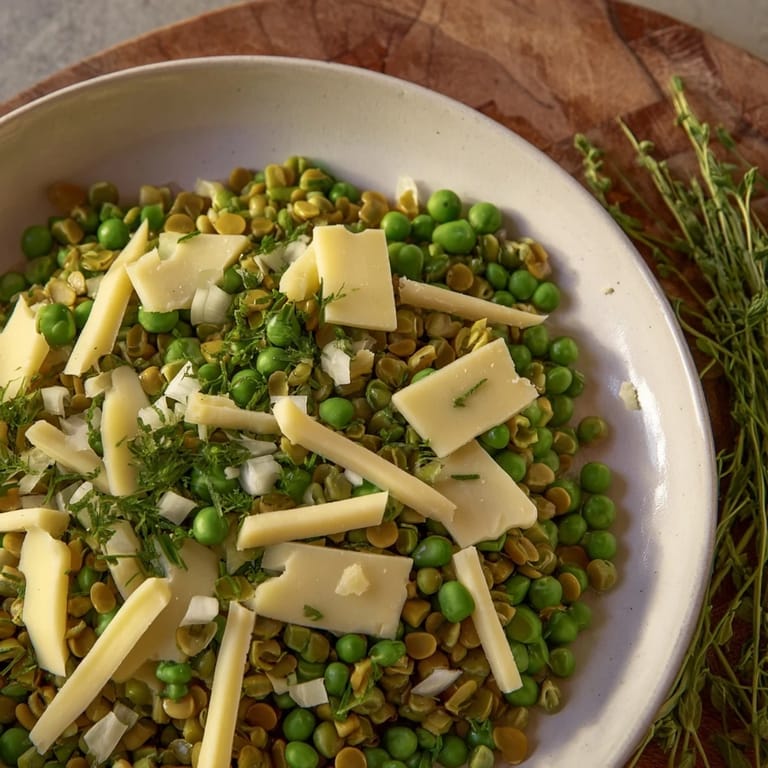
I've made this salad dozens of ways now, and every iteration teaches me something. Toast walnuts until they're fragrant and scatter them over the top, and suddenly you have texture layers that make it feel fancy without adding complexity. Swap the cheddar for tangy goat cheese on a day when you want something lighter, and the whole personality shifts—it becomes more delicate, more spring-like. Even adding a handful of microgreens transforms it from simple to something you'd order at a restaurant and pay too much for, which never stops making me smile.
- Toasted nuts add crunch and earthiness that complement the sharp cheese beautifully.
- Goat cheese creates a lighter, more delicate version that works equally well with the fresh vegetables.
- Microgreens turn a simple salad into something that looks like it took hours to compose.
 Pin it
 Make this salad when you want to remind yourself that some of the best meals are the simplest ones, built on good ingredients and the confidence to leave them alone. Serve it cold, share it freely, and watch how something this straightforward brings people back to the table.
Frequently Asked Questions
- → How do I keep the vegetables crisp?
Blanch snap peas and green beans briefly in boiling salted water, then plunge them into ice water to stop cooking and preserve their crunch.
- → Can I substitute the sharp white cheddar?
Yes, goat cheese or feta can be used for a tangier flavor, offering a creamy contrast to the fresh vegetables.
- → What dressing flavors complement the salad?
A dressing combining olive oil, lemon juice, Dijon mustard, and honey offers a balanced tangy and sweet profile that enhances the fresh veggies.
- → Are there suggested garnishes to enhance presentation?
Chopped chives add mild onion notes, while microgreens or pea shoots provide a fresh, delicate finish to the dish.
- → How can nuts be incorporated for texture?
Toasted walnuts or almonds can be sprinkled on top for a nutty crunch that complements the crisp vegetables and creamy cheese.