 Save
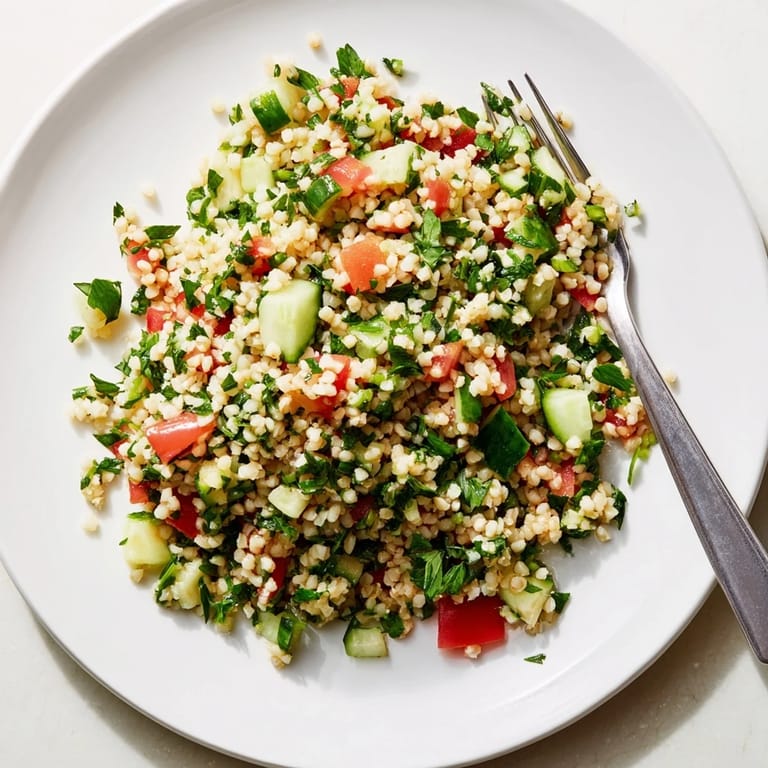
Save My neighbor Layla once told me that real tabbouleh is more herbs than grain, and she was absolutely right. I'd been making it backwards for years, piling in the bulgur and sprinkling parsley like garnish, until she invited me over one afternoon and showed me her mother's way. The bowl was a shock of green, bright and alive, with just enough bulgur to give it body. That day changed how I thought about this salad completely.
I brought this to a potluck once, nervous because it looked so simple next to all the casseroles and layered dips. But it was the first thing to disappear. People kept asking what made it so good, and I realized it wasn't any secret technique, just the willingness to use a ridiculous amount of fresh parsley and not be shy with the lemon. Sometimes the simplest things are the hardest to get right.
Ingredients
- Fine bulgur wheat: The fine grind is key here because it softens quickly without cooking and has a delicate texture that doesn't overpower the herbs.
- Boiling water: This is all the cooking you need, the hot water hydrates the bulgur in minutes and you avoid any mushiness from boiling it on the stove.
- Tomatoes: Use the ripest ones you can find, they add sweetness and juice that become part of the dressing as everything sits together.
- Cucumber: Peeling and seeding keeps it crisp and prevents the salad from getting watery, I learned this after one too many soggy batches.
- Scallions: They have a milder bite than raw onion and their green tops add another layer of color and freshness.
- Fresh flat-leaf parsley: This is the star, not a supporting player, so buy two bunches if you're unsure because you want a full packed cup after chopping.
- Fresh mint leaves: It brings a cool brightness that makes the whole salad sing, and it's the flavor people always try to place but can't quite name.
- Extra virgin olive oil: Use the good stuff here since it's not being cooked, the flavor comes through clean and fruity.
- Freshly squeezed lemon juice: Bottled juice won't give you the same zing, fresh lemons are worth the extra two minutes of squeezing.
- Garlic clove: Just one, finely minced so it distributes evenly and doesn't overpower the delicate herbs.
- Fine sea salt and black pepper: Season generously, the herbs and bulgur need more salt than you think to really come alive.
Tired of Takeout? 🥡
Get 10 meals you can make faster than delivery arrives. Seriously.
One email. No spam. Unsubscribe anytime.
Instructions
- Hydrate the bulgur:
- Pour the boiling water over the bulgur in a large bowl, cover it with a plate, and walk away for about 10 to 15 minutes. When you come back, it should be tender and fluffy, not crunchy, and all the water should be gone.
- Cool and fluff:
- Use a fork to fluff the bulgur and spread it out a bit so it cools to room temperature faster. If you add the herbs while it's still warm, they'll wilt and lose their vibrant color.
- Chop the vegetables and herbs:
- Dice the tomatoes and cucumber into small, uniform pieces so every bite has a bit of everything. Chop the parsley and mint as finely as you have patience for, the smaller the pieces, the more their flavor spreads throughout the salad.
- Combine everything:
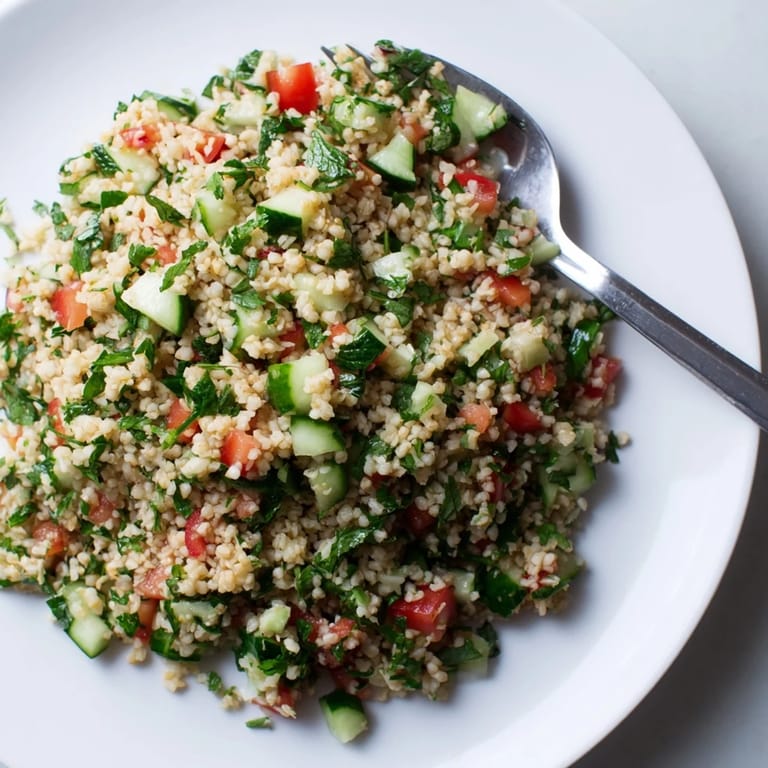
- Add the tomatoes, cucumber, scallions, parsley, and mint to the cooled bulgur. Toss gently with your hands or a large spoon, it should look like a green garden with specks of red and white.
- Make the dressing:
- Whisk together the olive oil, lemon juice, minced garlic, salt, and pepper in a small bowl until it's smooth and emulsified. Taste it, it should be bright and punchy, almost too lemony on its own because the bulgur and herbs will mellow it out.
- Dress and rest:
- Pour the dressing over the salad and toss gently until everything is evenly coated. Let it sit in the fridge for at least 20 minutes, this resting time is when the magic happens and all the flavors marry together.
- Serve:
- Taste and adjust the seasoning, adding more lemon, salt, or olive oil as needed. Serve it cold or at room temperature, both ways are perfect.
 Pin it
 The first time I made this for my family, my uncle said it reminded him of a trip he took to Beirut in his twenties. He hadn't thought about that trip in decades, but one bite brought it all back. That's when I understood that food isn't just about taste, it's about memory and connection, and sometimes a simple salad can carry you across the world.
Making It Your Own
Once you've made this a few times, you'll start to see where you can play. I've added pomegranate seeds in the fall when they're everywhere, and the little bursts of sweetness are incredible against all that lemon. Diced red bell pepper adds crunch and a slight sweetness. Some people love adding crumbled feta, which makes it richer and more filling, though it's no longer vegan. The bones of this recipe are strong enough to handle your personal touches.
Serving Suggestions
This salad works as a light lunch on its own, but it really shines as part of a bigger spread. I love serving it alongside grilled chicken, lamb kebabs, or crispy falafel. It cuts through rich, fatty foods beautifully and refreshes your palate between bites. On hot summer nights, I've served it with nothing but warm pita and hummus, and it felt like a feast.
Storage and Leftovers
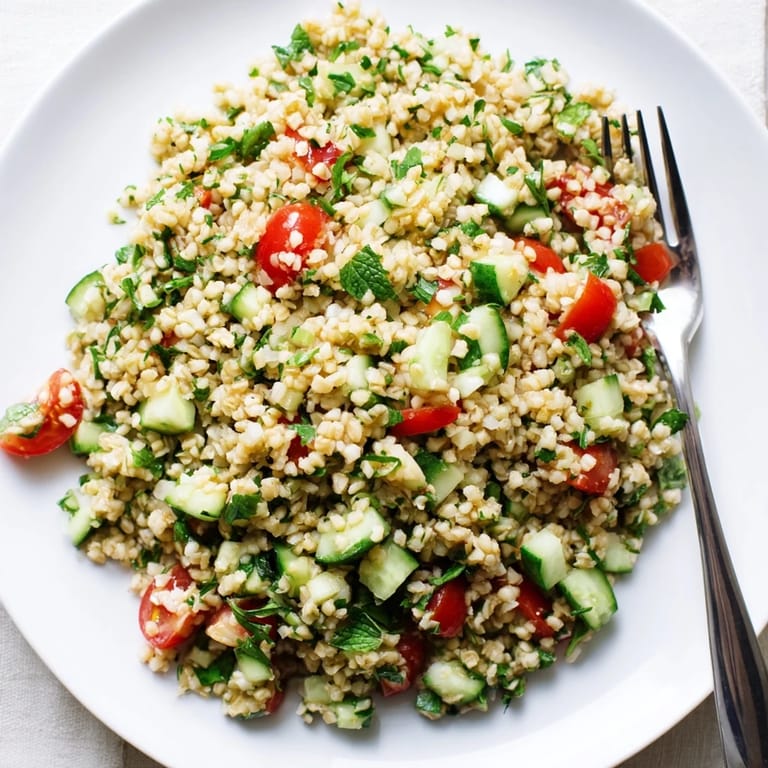
Tabbouleh keeps well in the fridge for up to two days, though the herbs will start to lose their brightness after that. I actually think it tastes best on day two, after all the flavors have had time to really get to know each other. If you're making it ahead, hold back on the tomatoes and add them just before serving to keep things from getting too watery.
- Store it in an airtight container and give it a good stir before serving, the dressing tends to settle at the bottom.
- If it tastes dull after sitting, a quick drizzle of fresh lemon juice and a pinch of salt will bring it back to life.
- Don't freeze this salad, the texture of the vegetables and herbs turns mushy and sad when thawed.
 Pin it
 This salad has become my go to whenever I need to bring something that feels generous but doesn't require much fuss. It's proof that you don't need fancy techniques or hard to find ingredients to make something people remember.
Frequently Asked Questions
- → What is bulgur wheat and can I substitute it?
Bulgur wheat is parboiled, dried, and cracked wheat commonly used in Middle Eastern cuisine. For a gluten-free option, substitute with cooked quinoa, millet, or farro. Each will provide a slightly different texture but maintains the salad's essence.
- → How far in advance can tabbouleh be prepared?
Tabbouleh can be made several hours or even a day ahead, making it ideal for meal prep. The flavors actually improve as they meld together. Store in the refrigerator and give it a gentle toss before serving. Add dressing just before serving if preparing very far in advance.
- → Can I make this vegan and dairy-free?
Yes, this salad is naturally vegan and dairy-free as written. It contains no animal products or byproducts. Simply use quality extra virgin olive oil and ensure all ingredients are plant-based. It's an excellent option for those following vegan or dairy-free diets.
- → What fresh herbs work best in tabbouleh?
Fresh flat-leaf parsley and mint are traditional and essential for authentic tabbouleh. Parsley provides a mild, clean flavor while mint adds brightness. Use them generously—they're the salad's backbone. Avoid dried herbs as they won't deliver the same fresh, vibrant taste.
- → How do I adjust the flavoring to my taste?
Taste the finished salad and adjust lemon juice for brightness, salt for depth, and pepper for warmth. Add more olive oil if it seems dry. Some prefer additional garlic or a touch more mint. The beauty of tabbouleh is its adaptability to personal preference.
- → What are good serving suggestions?
Serve tabbouleh as a standalone light meal, alongside grilled chicken or lamb, with falafel for a vegetarian option, or as part of a Middle Eastern mezze spread. It pairs beautifully with warm pita bread, hummus, and other traditional accompaniments.