 Save
Save The first time I assembled a proper Turkish meze platter, I was terrified I'd mess it up. My neighbor, who grew up in Istanbul, had invited us over and casually mentioned she'd bring "a few things to share," and I wanted to reciprocate with something that felt intentional, not thrown together. Standing in my kitchen with a handful of ingredients and a large wooden board, I realized that a meze platter isn't about perfection—it's about creating small moments of generosity, one bite at a time.
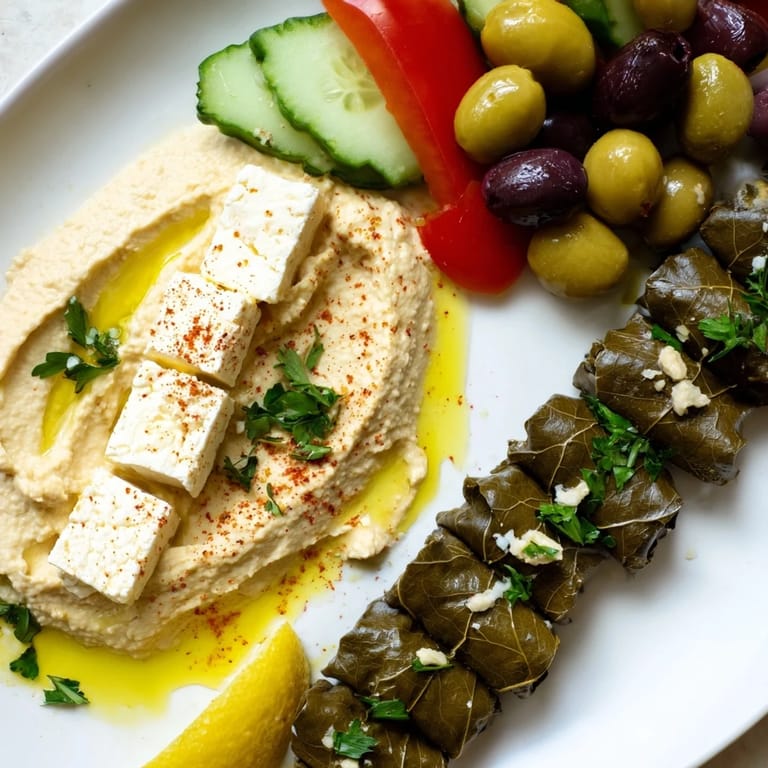
I remember my daughter's friend—who usually picked at food—going back to the platter three times, specifically for the creamy hummus swirled with olive oil. That single moment, watching someone light up over something I'd made with my own hands, changed how I think about feeding people. A meze platter is permission to be generous without being showy.
Ingredients
- Chickpeas (1 can, drained): The foundation of silky hummus—rinsing them removes the starchy liquid that makes texture grainy, a trick that took me a few batches to learn.
- Tahini (2 tbsp): This sesame paste is the secret that transforms chickpeas into something creamy, but a little goes a long way or it overpowers everything else.
- Extra-virgin olive oil: Use the good stuff here because you taste it directly; cheap oil tastes like regret.
- Fresh lemon juice (2 tbsp): Always fresh—bottled lemon juice is thin and hollow by comparison, and it shows.
- Garlic (1 clove, minced): One clove is often enough; I once used three and couldn't taste anything but garlic for hours.
- Ground cumin (1/2 tsp): This warm spice whispers in the background, making everything taste more like itself.
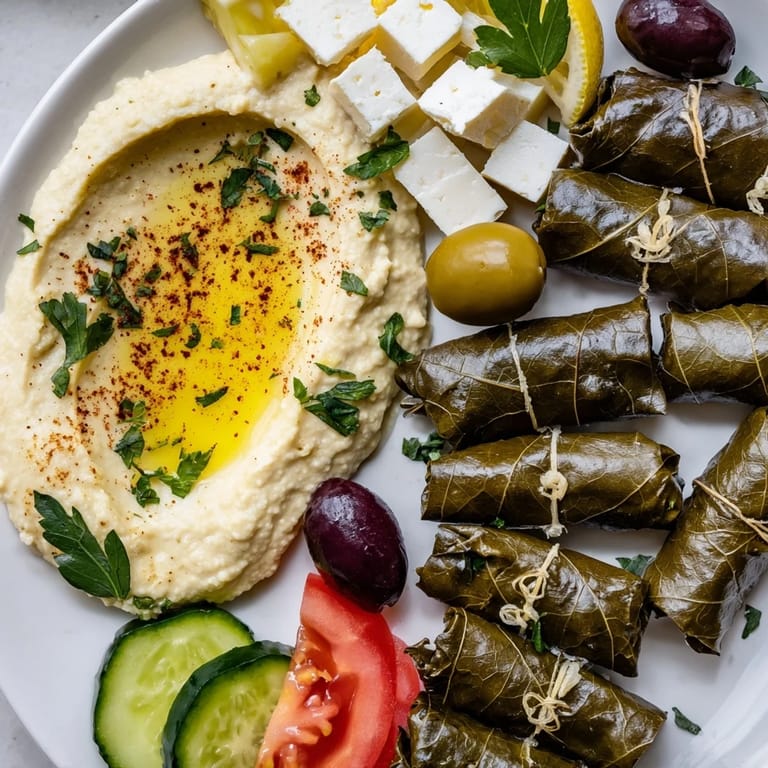
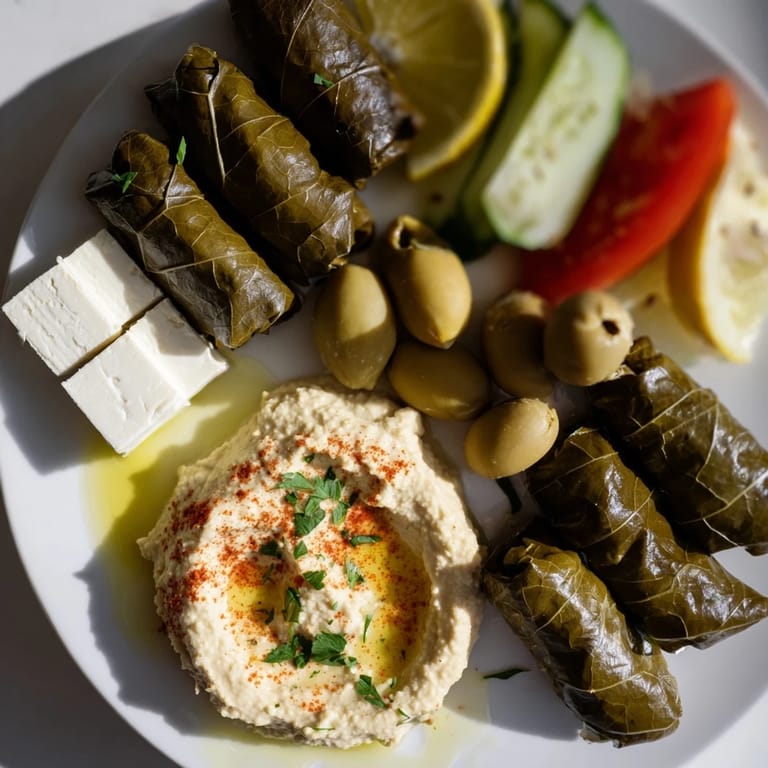
- Stuffed grape leaves (12 dolmas): Store-bought versions save time and honestly taste wonderful; there's no shame in this shortcut.
- Cheese selection (feta, beyaz peynir, kasseri): The mix of creamy feta and firmer kasseri creates contrast; cubing them by hand makes them feel more intentional.
- Mixed Turkish olives (100 g): Green ones are briny and a bit bitter; black ones are softer and mellow—both together give the platter depth.
- Dried oregano (1/2 tsp): A pinch over the olives brightens them without overwhelming the platter's other flavors.
- Fresh vegetables (cucumber, tomato, lemon): These aren't just garnish—they cut through richness and add color that makes people want to dive in.
- Fresh parsley (2 tbsp): Chopped just before serving, it smells green and alive.
- Warm pita or flatbread: Freshly warmed pita transforms the whole experience; cold pita tastes like an afterthought.
Tired of Takeout? 🥡
Get 10 meals you can make faster than delivery arrives. Seriously.
One email. No spam. Unsubscribe anytime.
Instructions
- Blend the hummus base:
- Add chickpeas, tahini, olive oil, garlic, lemon juice, cumin, salt, and pepper to a food processor and blend until the mixture is completely smooth—usually about two minutes, depending on your processor's power. Taste it and adjust seasoning; this is where the hummus becomes yours, not just a recipe.
- Make it shine:
- Transfer hummus to a serving bowl and drizzle a thin stream of olive oil over the top, letting it pool slightly in the center. A whisper of paprika or sumac on top catches the light and makes people lean in.
- Arrange the dolmas:
- Place stuffed grape leaves neatly in rows or a casual cluster on one section of your platter—they should look like they belong, not like an afterthought. If you're feeling fancy, arrange them seam-side down so they look polished.
- Cube and place the cheeses:
- Cut feta into small cubes and slice kasseri into bite-sized pieces, then group them together on the platter so someone can grab a handful of one kind without mixing. Cheeses taste better when they're easy to reach.
- Season and position the olives:
- Toss olives with a tablespoon of olive oil and dried oregano in a small bowl, letting the herbs coat each one evenly. You can scatter them around the platter or keep them contained in a small dish—containment helps prevent olive juice from pooling on the bread.
- Add vegetables and fresh finishes:
- Arrange cucumber slices, tomato wedges, and lemon wedges across the remaining space on the platter, filling gaps and adding color. Scatter fresh parsley over everything just before serving so it stays bright and fragrant.
- Bring it to the table:
- Warm your pita in a skillet or oven until it's soft and pliable, then cut it into triangles and pile it on a separate plate or tuck it around the platter's edges. Serve immediately while the hummus is creamy and the pita is still warm.
 Pin it
 My best meze memory isn't about the food itself—it's about my partner and I sitting on the porch on a warm evening, watching friends graze slowly through the platter while we talked for hours. The hummus was half-eaten, the olives were nearly gone, and no one noticed or cared. That's when I understood that a meze platter does something deeper than feed people; it creates space for real conversation.
Building Flavors That Work Together
A meze platter succeeds because its flavors echo and support each other rather than compete. The creamy, earthy hummus acts as a canvas for everything else—the bright acidity of lemon cuts through richness, the salty olives and cheeses remind your palate to stay engaged, and the fresh cucumber and tomato add lightness. When you think about it this way, every element on the platter has a job. I learned this by accident when I once forgot the lemon and the hummus tasted flat; adding it back made the whole platter come alive.
Making This Your Own
Turkish meze has been around for centuries because it's endlessly flexible. I've added roasted red peppers when I had them, swapped in different cheeses based on what the market had that day, and once threw in some marinated artichoke hearts because I was being ambitious. The structure stays the same—creamy, salty, fresh, warm bread—but the details shift based on what calls to you. There's no such thing as a "wrong" meze platter, only the one that makes sense for your table.
When to Serve This and What to Drink
This platter works perfectly as an opener before a main course, or as the main event when you want to keep things light and communal. I've made it for unexpected guests, for book club meetings, and for quiet evenings when my partner and I wanted something that felt special without effort. Pair it with a crisp white wine like Turkish Narince if you're leaning into the tradition, or with iced tea if you prefer something nonalcoholic.
- A dry Sauvignon Blanc or Pinot Grigio also works beautifully if you don't have access to Turkish wines.
- Sparkling water with fresh mint feels refreshing and lets you taste the food without distraction.
- Make extra hummus—people always want more, and leftovers are perfect for lunch the next day.
 Pin it
 A meze platter is one of those dishes that teaches you something quiet: that generosity doesn't require perfection, and that feeding people well is mostly about intention and presence. I hope this one brings people you love around your table.
Frequently Asked Questions
- → What ingredients are key to authentic Turkish meze platters?
Key ingredients include creamy hummus, stuffed grape leaves (dolmas), a variety of Turkish cheeses like feta and kasseri, marinated olives, and fresh vegetable garnishes such as cucumber and tomato.
- → How is hummus prepared for this platter?
Hummus is made by blending chickpeas with tahini, olive oil, garlic, lemon juice, cumin, salt, and pepper until smooth, then drizzled with olive oil for richness.
- → Can dolmas be store-bought or should they be homemade?
Both options work well; store-bought dolmas offer convenience, while homemade dolmas allow for customization of filling and seasoning.
- → What cheeses are recommended for this platter?
A mix of feta, beyaz peynir, and kasseri or halloumi provides a balance of tangy, salty, and mild flavors that enhance the platter’s variety.
- → How can the platter be served to guests?
Arrange all components on a large platter with fresh garnishes and accompaniments like warm pita or flatbread, allowing guests to enjoy shared bites easily.