 Save
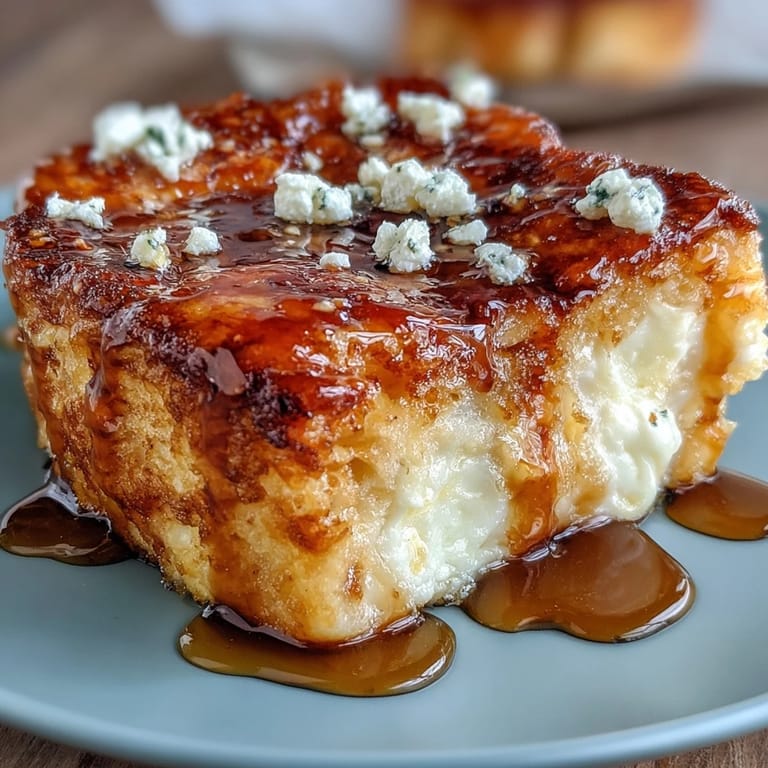
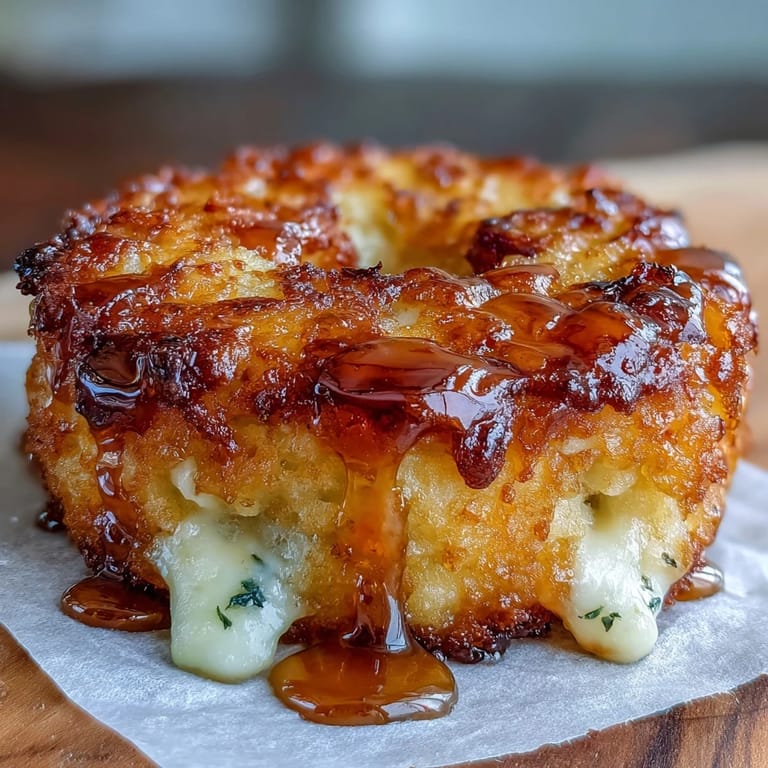
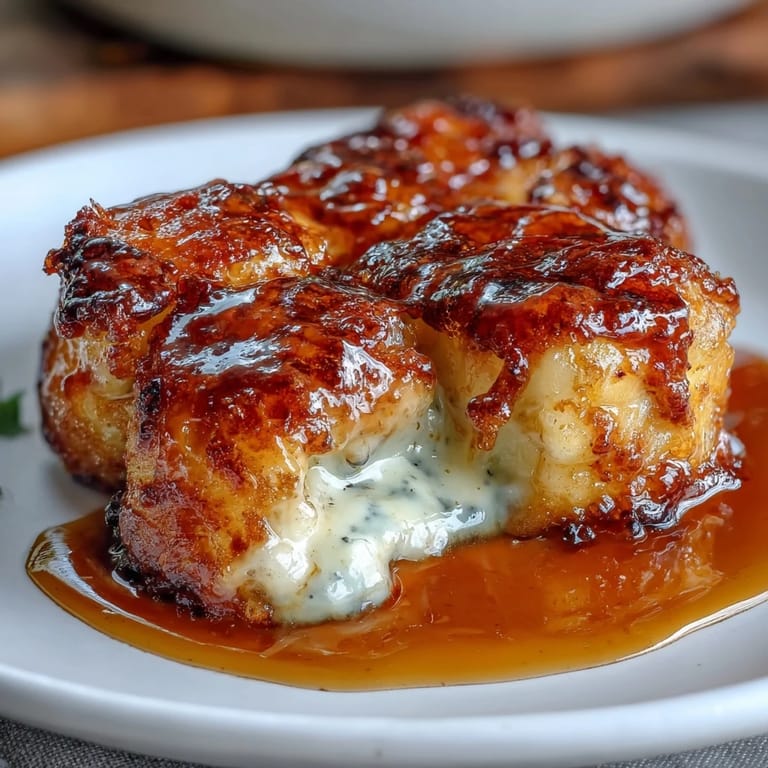
Save The first bite of chīzu imomochi caught me completely off guard. I was standing at a street stall in Sapporo, watching the vendor flip golden rounds on a sizzling griddle, the air thick with soy and caramelized honey. When I bit into one, the crispy shell gave way to a cloud of warm potato and a molten pocket of cheese that stretched like a warm hug. I made them the week I got home, burning the first batch because I couldn't stop peeking, but by the third try, I had it down. Now they're what I make when I need something that feels like comfort you can hold in your hand.
I once made these for a potluck and watched a friend who claimed to hate potatoes eat five in a row. She said it was the cheese, but I think it was the way the glaze pooled at the bottom of the plate, begging to be scooped up with the last dumpling. My neighbor asked for the recipe twice in one week. There's something about the contrast, the chew against the crisp, the salt against the honey, that makes people forget themselves a little.
Ingredients
- Russet potatoes: Their high starch content makes the dough fluffy and light; waxy potatoes will turn gummy, so don't swap them out.
- Potato starch: This is what gives imomochi its signature chew; cornstarch works in a pinch, but the texture won't be quite as stretchy.
- Unsalted butter: Just a tablespoon adds richness without making the dough greasy; I once forgot it and the dough tasted flat.
- Mozzarella cheese: Cut into cubes so it melts into molten pockets; cheddar works too, but mozzarella gives you those Instagram-worthy cheese pulls.
- Soy sauce: The backbone of the glaze; use low-sodium if you're sensitive to salt, or tamari if you need it gluten-free.
- Honey: It caramelizes as it cooks, creating a glossy, sticky coating that clings to every curve of the dumpling.
- Mirin: Adds a gentle sweetness and a hint of rice wine depth; if you don't have it, a splash of sake and a pinch of sugar will do.
- Rice vinegar: Just a teaspoon cuts through the sweetness and keeps the glaze balanced.
- Neutral oil: For frying; anything without a strong flavor works, though I've used sesame oil when I wanted a little extra warmth.
Tired of Takeout? 🥡
Get 10 meals you can make faster than delivery arrives. Seriously.
One email. No spam. Unsubscribe anytime.
Instructions
- Boil the potatoes:
- Drop the chopped potatoes into salted boiling water and cook until a fork slides through without resistance, about 12 to 15 minutes. Don't undercook them or your dough will have lumps that won't knead out.
- Mash and season:
- Drain them well and mash until completely smooth; I use the back of a fork, but a ricer makes it even fluffier. Stir in the butter and salt while they're still steaming so everything melts together.
- Form the dough:
- Add the potato starch and knead gently until a soft, slightly tacky dough comes together; if it sticks to your hands, dust in a little more starch. The dough should feel like Play-Doh, not wet clay.
- Shape and fill:
- Divide the dough into eight pieces and flatten each into a disc about the size of your palm. Press a cheese cube into the center, fold the edges up and over, and pinch to seal, then roll gently into a ball.
- Pan-fry until golden:
- Heat the oil in a nonstick skillet over medium heat and add the dumplings, leaving a little space between each. Turn them every couple of minutes until all sides are crispy and bronzed, about 6 to 8 minutes total.
- Glaze and finish:
- Mix the soy sauce, honey, mirin, and vinegar in a small bowl, then pour it into the skillet with the dumplings. Toss gently and let the sauce bubble and thicken for a minute or two until it coats each dumpling in a glossy shell.
 Pin it
 There was an evening last fall when I made a double batch and ate half of them standing at the stove, dipping each one back into the pan for extra glaze. My partner walked in and said the kitchen smelled like a izakaya, all caramel and soy and butter. We ended up eating the rest on the couch with a pile of napkins, the cheese still stretching between bites. It's become one of those recipes that doesn't need an occasion, just an appetite and twenty minutes.
Choosing Your Cheese
Mozzarella is classic because it melts into creamy, stretchy pockets that ooze when you bite in, but I've used sharp cheddar when I wanted something with more punch. Gouda brings a mild sweetness that plays beautifully with the honey glaze. Once I tried a smoked cheese and the dumplings tasted like they'd been cooked over a campfire. Whatever you use, cut it into cubes and make sure they're cold so they don't melt too fast and leak out before the dough sets.
Making Them Ahead
You can shape the dumplings and keep them covered in the fridge for up to a day before frying, which makes them perfect for entertaining. I've also frozen them on a parchment-lined tray, then transferred them to a bag once solid; fry them straight from frozen, just add a couple extra minutes to the pan time. The glaze, though, is best made fresh right before serving so it stays glossy and doesn't get gummy.
Serving Suggestions
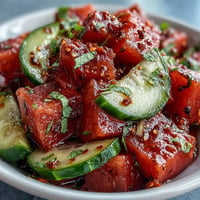
These are incredible on their own, but I like to scatter sliced scallions and toasted sesame seeds over the top for a little crunch and color. Sometimes I serve them with a small dish of extra soy sauce spiked with chili oil for dipping. They're great alongside a crisp cucumber salad or a bowl of miso soup, and I've even packed them in a lunchbox with a thermos of broth on the side.
- Sprinkle with shichimi togarashi for a spicy kick.
- Serve with pickled ginger or a quick cucumber sunomono for contrast.
- Pair with cold beer or hot green tea for the full izakaya experience.
 Pin it
 Every time I make these, someone asks if they're hard, and I promise they're not. It's just potatoes, a little kneading, and a hot pan. What you get is something that tastes like you spent all day in the kitchen, but really you just spent forty minutes and came out with a plate of golden, sticky, cheese-filled joy.
Frequently Asked Questions
- → Can I make these ahead of time?
Yes, you can shape the dumplings and refrigerate them covered for up to 24 hours before pan-frying. You can also freeze them uncooked for up to 1 month and cook directly from frozen, adding a few extra minutes to the cooking time.
- → What type of potatoes work best?
Russet potatoes are ideal due to their high starch content, which creates the perfect chewy texture. Yukon Gold can also work but may require slightly more potato starch to achieve the right consistency.
- → Can I substitute the potato starch?
Yes, cornstarch works well as a substitute. Tapioca starch is another option that will give you a similar chewy texture. Avoid using regular wheat flour as it won't provide the same mochi-like consistency.
- → How do I prevent the cheese from leaking out?
Make sure to seal the dough completely around the cheese cube, pinching all edges firmly. Use cold cheese cubes and don't overheat the pan—medium heat allows the outside to crisp before the cheese fully melts.
- → What can I serve with these dumplings?
They pair beautifully with a simple green salad, pickled vegetables, or edamame. For a heartier meal, serve alongside miso soup and steamed rice. They're also excellent on their own as a snack with green tea.
- → How should I store leftovers?
Store cooled dumplings in an airtight container in the refrigerator for up to 3 days. Reheat in a skillet over medium heat until warmed through and crispy again, or microwave for 30-45 seconds for a softer texture.