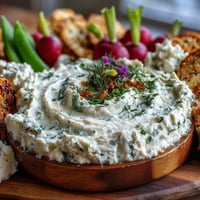
 Save
Save I discovered the magic of a Celtic cross cheese platter at a small Dublin pub tucked behind Temple Bar, where a bartender casually arranged a board with such confidence that I knew I had to recreate it at home. The geometric precision of it appealed to me immediately, but what really stuck was how the flavors seemed to call to each other across those four quadrants, like an edible conversation. That night I went home and sketched it out, and weeks later, when my sister's book club gathered around my kitchen table, this became the quiet star of the evening—everyone stopped talking just to look at it before tasting.
I remember my neighbor poking her head in while I was setting this up for a dinner party, asking if I'd bought it from a fancy caterer, and when I said no, she asked to stay just to watch me finish it. That moment of someone recognizing effort and intention in something simple felt better than any compliment about the flavors themselves.
Ingredients
- Irish cheddar, cubed: The sharp backbone of this board—it needs to be at room temperature so the flavor shines without that waxy feeling cold cheese has.
- Brie, sliced: This is the softness everyone reaches for first, so slice it thick enough to hold its shape but thin enough to spread on a cracker if someone wants.
- Blue cheese, crumbled: The brave choice that divides a room—those who love it will demolish their quadrant within minutes.
- Manchego, sliced: A nutty, slightly firm cheese that rounds out the flavors and looks beautiful fanned in a semi-circle.
- Sour cream or Greek yogurt: Choose Greek yogurt if you want tanginess, sour cream if you want richness—both work, but they taste distinctly different at the center.
- Fresh chives, finely chopped: The green flecks matter here; they signal freshness and catch the eye as much as they season the dip.
- Lemon juice: One teaspoon is barely noticeable, but without it the dip tastes flat and heavy.
- Seedless red grapes: They're the jewels of the board—choose ones that feel firm and look glossy.
- Dried apricots: Their sweetness plays against the salty cheeses, and they add a chewy texture contrasts.
- Walnuts: Toast them lightly if you have ten extra minutes; it transforms them from an afterthought into something people actually crave.
- Honey: A drizzle over the blue cheese creates a flavor pairing that sounds weird until you taste it.
- Rustic crackers: Avoid anything too delicate; you want something sturdy enough to hold cheese without shattering.
- Baguette, sliced: Toast the slices lightly if your gathering is a few hours away; it keeps them from becoming stale or soggy.
Tired of Takeout? 🥡
Get 10 meals you can make faster than delivery arrives. Seriously.
One email. No spam. Unsubscribe anytime.
Instructions
- Make the dip taste alive:
- Mix your sour cream or Greek yogurt with the chopped chives, lemon juice, salt, and pepper until the green flecks are evenly distributed and the color looks intentional. Taste it—this is your moment to adjust the seasoning without an audience.
- Crown the center:
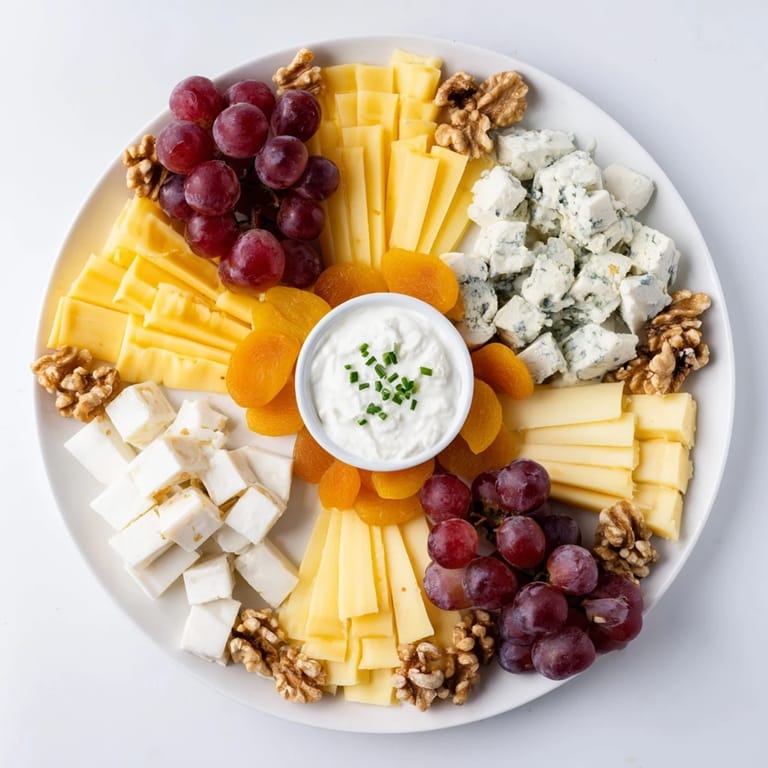
- Pour the dip into a small round bowl and set it dead center on your large platter, making sure it sits stable and level. The bowl becomes your compass; everything else radiates from here.
- Divide the world into quarters:
- Imagine a plus sign running through that central bowl, creating four equal wedges. Each quadrant will hold one cheese type, and this invisible line will guide your hands.
- Arrange each cheese with intention:
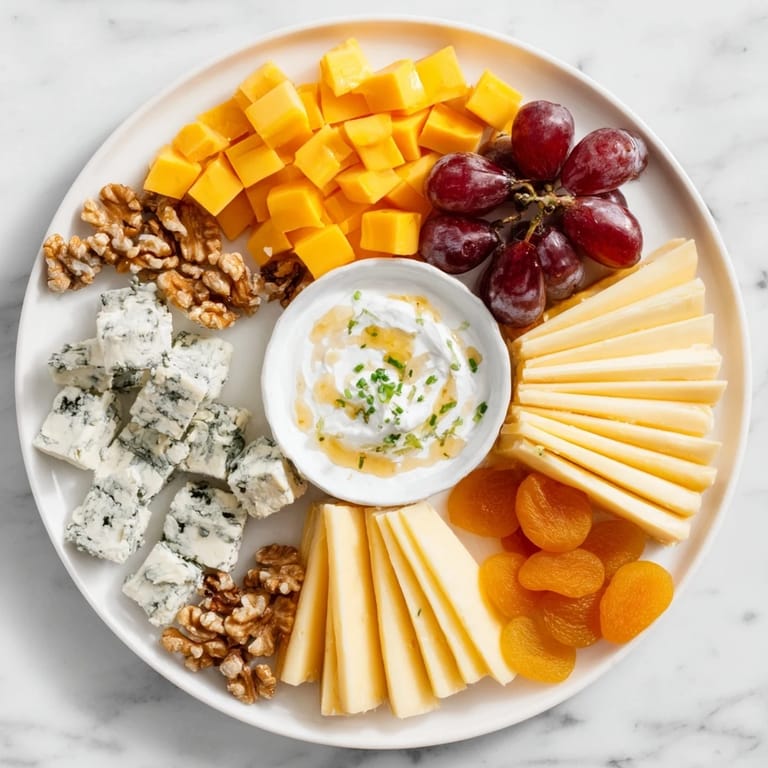
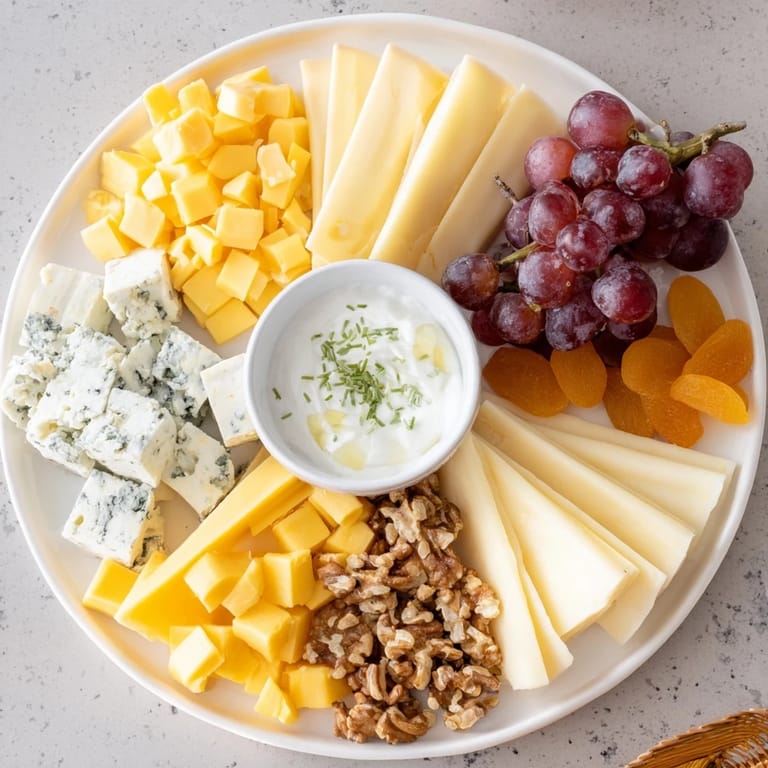
- In one quadrant, fan the Manchego slices slightly overlapping like playing cards. In another, stack the Brie in neat strips. Crumble the blue cheese into one quadrant and cube the cheddar into the last, arranging the cubes in loose piles that look generous.
- Fill the gaps with color and texture:
- Scatter grapes and apricots between the cheese quadrants, tucking walnuts into any empty-looking spaces. This isn't precise; it's intuitive, and that's what makes it beautiful.
- Make the blue cheese sing:
- Lightly drizzle honey over the blue cheese quadrant, just enough that some of it pools slightly on the plate. The honey-blue cheese combination is a flavor secret most people don't expect.
- Frame it with bread:
- Arrange the crackers and baguette slices around the outer edge of the platter in a rough circle. They're functional and decorative at once.
- Serve it warm and unrushed:
- Make sure each cheese has come to room temperature before guests arrive so the flavors taste full and alive. Let it sit for ten minutes if you've just assembled it.
 Pin it
 My favorite memory of this platter is when my eight-year-old niece studied it for a solid minute before asking if she could eat "the cross" for good luck, and then she shared cheese with every single person at the table. Food became conversation, and the platter became the reason people stayed longer.
The Celtic Cross as Your Canvas
There's something almost ceremonial about arranging food in a cross pattern, whether you realize it or not. It slows you down, makes you think about balance and symmetry, and when guests see it, they feel like they're in on something intentional rather than just grabbing from a regular cheese board. The cross doesn't have to be perfect—it's more about the visual rhythm you create, the quadrants that give people permission to explore rather than just grab.
Why Temperature Matters
Cold cheese is a flavor thief; it mutes everything and makes even premium Brie taste one-dimensional. Bring everything to room temperature and suddenly the umami in the cheddar wakes up, the Brie becomes silky instead of waxy, and even the blue cheese feels less aggressive. It sounds like a small detail, but it's the difference between a good platter and one people actually remember.
Pairing and Presentation
This platter is designed to transition seamlessly from appetizer to the main event—some people will graze for two hours, others will load a plate and move on. The honey-blue cheese pairing deserves a crisp white wine like Sauvignon Blanc, or if your crowd leans red, a light Pinot Noir won't overpower anything. If you want to elevate it further, add apple or pear slices, or swap one cheese for a regional favorite your guests haven't tried yet.
- Toast the baguette slices lightly if the gathering is a few hours away, which keeps them from turning stale or soggy.
- Add apple or pear slices if you want to introduce bright acidity and crunch alongside the richness.
- Remember that this platter feeds eight as an appetizer but feels right for four if it's the main event alongside wine and good conversation.
 Pin it
 A good cheese platter does more than feed people; it tells them you were thinking about their experience before they arrived. This Celtic cross version combines beauty, variety, and enough time saved in the kitchen that you can actually enjoy your gathering instead of stressing over it.
Frequently Asked Questions
- → What cheeses are included in the platter?
Irish cheddar, Brie, Blue cheese, and Manchego are arranged in four quadrants around a central dip.
- → How is the central dip made?
The dip combines sour cream or Greek yogurt with fresh chives, lemon juice, salt, and pepper.
- → What accompaniments complement the cheeses?
Seedless red grapes, dried apricots, walnuts, honey, rustic crackers, and sliced baguette add variety.
- → How should the platter be arranged for best effect?
Divide the platter into four quadrants with each cheese in its own section, placing the dip centrally and filling gaps with fruits and nuts.
- → Can this platter suit vegetarian diets?
Yes, using vegetarian-friendly cheeses makes it suitable for vegetarians.
- → What serving tips enhance the platter’s appeal?
Serve cheeses at room temperature and consider adding apple or pear slices or pairing with crisp white or light red wines.