 Save
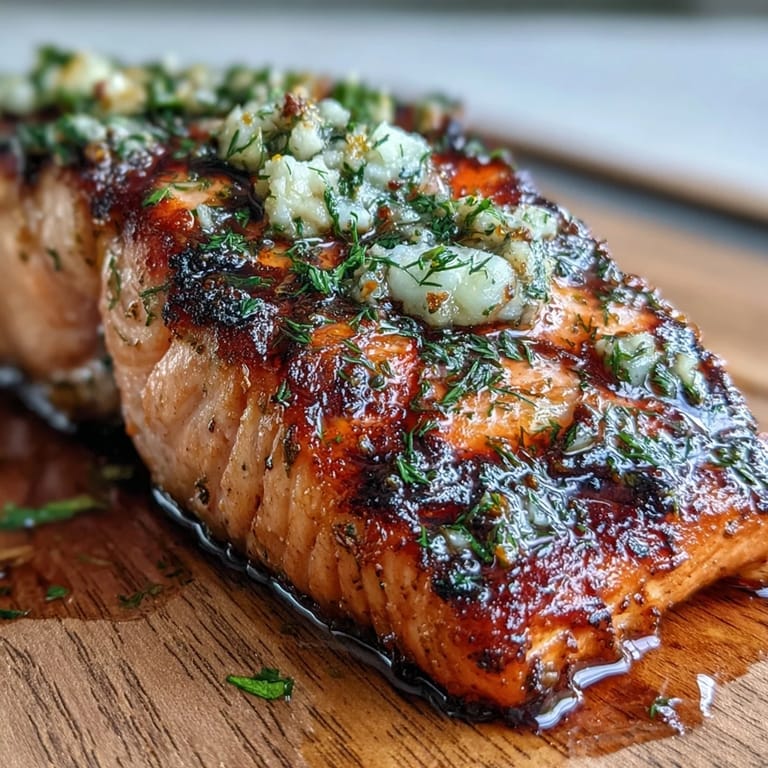
Save The first time I grilled cedar plank salmon, I remember the unmistakable scent of smoky wood mingling with bright lemon floating across the patio, making my curious neighbors peek over the fence. There is something thrilling about cooking over an open flame, especially when you can hear tiny pops from the cedar as it warms. That aroma was entirely new to my kitchen routine—rich, woodsy, and layered with the promise of a perfect summer meal. Preparing this dish always feels like a celebration of the season, full of sunlight and fresh air. I never quite believed how easy such impressive results could be until I made it myself.
One evening, I served cedar plank salmon to a group of friends crowding around the grill while the sun slid behind the trees. As the planks started to crackle, our small gathering turned into a half-curious, half-hungry audience, swapping stories and sneaking tastes of lemony marinade. The end result almost disappeared before it reached the table, and that night, our laughter and shared bites made the meal linger in memory far longer than its preparation.
Ingredients
- Salmon fillets: You want firm, skin-on pieces (about 6 ounces each) because the skin protects the fish from the cedar and stays moist on the grill.
- Olive oil: Helps the marinade cling to the salmon and keeps the texture silky.
- Fresh garlic: I learned quickly that mincing it extra fine brings out its mellow sweetness rather than harshness.
- Fresh dill: Chopped dill blows dried out of the water—sprinkle a little extra on top for a burst of green flavor.
- Lemon (zest and juice): That punch of acidity balances out the richness—try zesting over the fish right before grilling for even brighter aroma.
- Sea salt and black pepper: Don’t skimp—seasoned salmon stands up beautifully to the grill and cedar smoke.
- Cedar planks: Only use untreated, food-safe planks and soak them well, or they’ll scorch too quickly.
- Lemon slices for garnish: Adds color and brings everything together—sometimes I put a few directly on the cedar for an extra-citrusy punch.
Tired of Takeout? 🥡
Get 10 meals you can make faster than delivery arrives. Seriously.
One email. No spam. Unsubscribe anytime.
Instructions
- Soak the cedar planks:
- Fully immerse the planks in cold water for at least an hour, weighing them down so they don’t float up. The sound of bubbles escaping always gets me excited for grilling time.
- Whip up the marinade:
- Mix olive oil, minced garlic, chopped dill, lemon zest, lemon juice, salt, and pepper in a small bowl—the fragrant combination practically begs you to dip a spoon in.
- Prep the salmon:
- Pat each fillet very dry, then brush generously on both sides with the marinade, saving some for later. Rubbing the flavors in with your hands really makes a difference.
- Heat the grill and planks:
- Preheat to medium-high, then lay soaked planks directly on the grates and close the lid. Listen for the gentle pops and crackles as the cedar begins to heat up and infuse its aroma.
- Grill the salmon:
- Carefully place salmon, skin-side down, on the planks, close the lid, and grill for 12–15 minutes, basting halfway through. Peek only when you can smell everything getting delicious—the fish should flake easily with a fork when it’s done.
- Serve and garnish:
- Lift the hot planks with tongs, garnish the salmon with more dill and bright lemon slices, and serve right away while everyone hovers nearby.
 Pin it
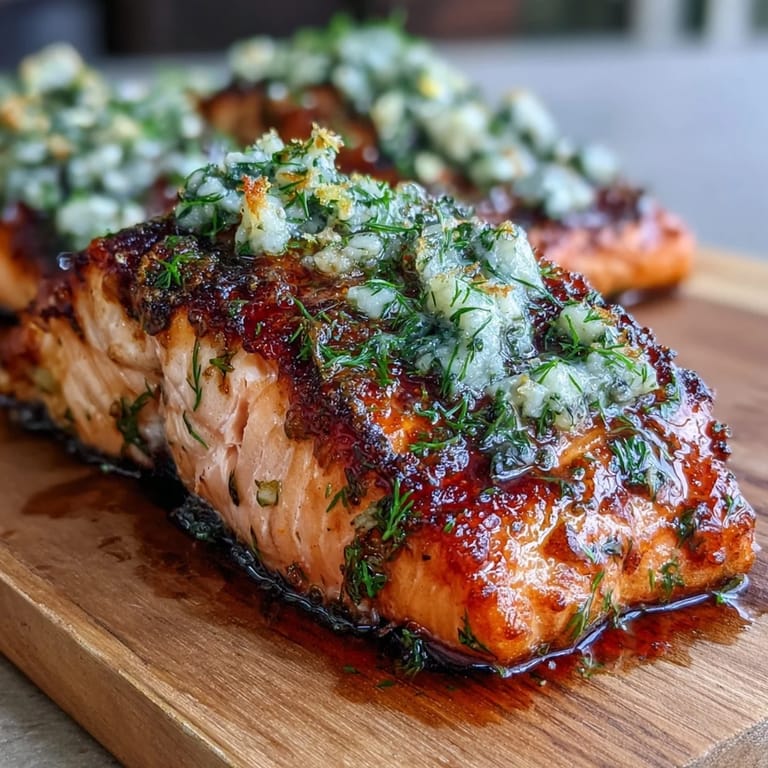
 One backyard dinner, my cousin snapped an action shot as I lifted the planks off the grill, and every time I see that photo, I remember the simple pride of sharing something homemade and unique. In moments like those, food stops being just sustenance and turns into connection—smoke-wreathed, laughter-filled, and a little bit magical.
Making the Most of Cedar Planks
After a few trials, I realized that lightly charring the cedar before adding the fish boosts the smoky flavor while keeping the fillets juicy. Don’t be shy about reusing planks for a second batch if they’re still intact—the flavors are surprisingly robust the next time around. Remember to let them cool completely and then rinse clean, but never use soap or they’ll pick up off flavors.
Swaps and Variations Worth Trying
Occasionally I swap in trout or Arctic char for salmon, and the results are just as brilliant—sometimes even better, if you prefer a milder taste. Mixing in a pinch of fresh tarragon or parsley with the dill creates a different herbal twist that pairs beautifully with the cedar’s mellow smokiness. Even my friend who swore by only classic salt and pepper now admits the lemon-dill combo is irresistible.
How to Serve and Store Leftovers
I love flaking leftover salmon onto greens for a picnic salad, or tucking pieces into soft rolls with a slather of herbed mayo for next-day sandwiches. Cedar plank salmon rarely lasts long, but cold leftovers keep well in the fridge and are perfect for easy lunches.
- Always store extras in an airtight container to lock in flavor.
- Best enjoyed within two days for top texture and taste.
- Never microwave—gentle reheating in a skillet keeps it juicy.
 Pin it
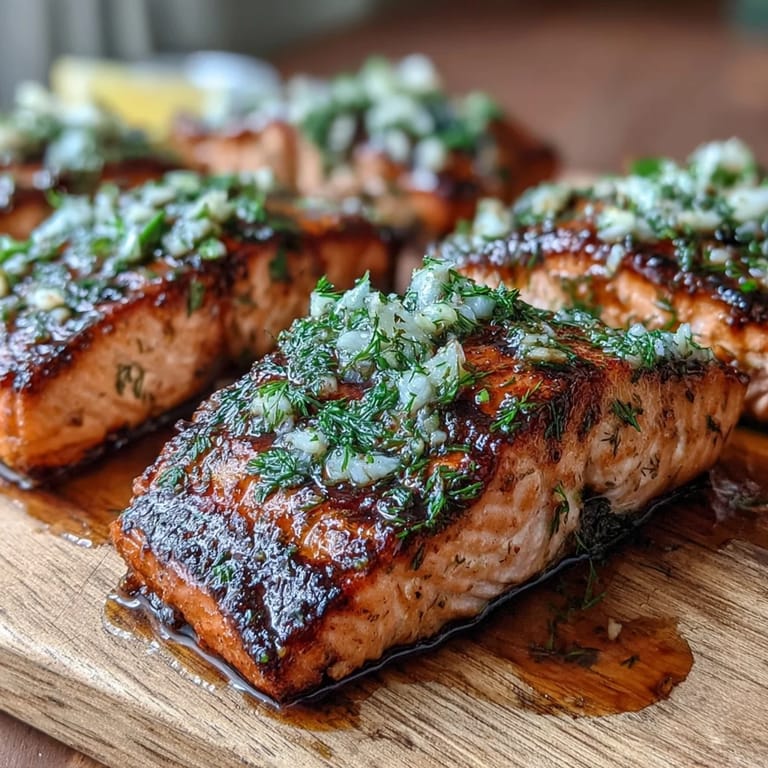
 If you try this cedar plank salmon, I hope the simple act of grilling turns your meal into an unexpected highlight. Here’s to making summer evenings unforgettable, one smoky, lemony fillet at a time.
Frequently Asked Questions
- → Why soak the cedar planks before grilling?
Soaking prevents the planks from burning and infuses the salmon with gentle smoky flavor as they heat up.
- → How do I know when the salmon is done cooking?
The salmon is ready when it flakes easily with a fork and turns opaque in the thickest part of the fillet.
- → Can I substitute another fish for salmon?
Trout or Arctic char works well with the same grilling technique and flavors for a delicious alternative.
- → What side dishes pair well with this dish?
Light salads, grilled vegetables, or herb-roasted potatoes complement the smoky, herby salmon beautifully.
- → Should I leave the fish skin on for grilling?
Keeping the skin on helps the fillet hold together and prevents sticking during grilling on the cedar planks.
- → Can I use dried dill if fresh isn't available?
Yes, use about one-third the amount of dried dill, but fresh is preferred for its bright, aromatic flavor.